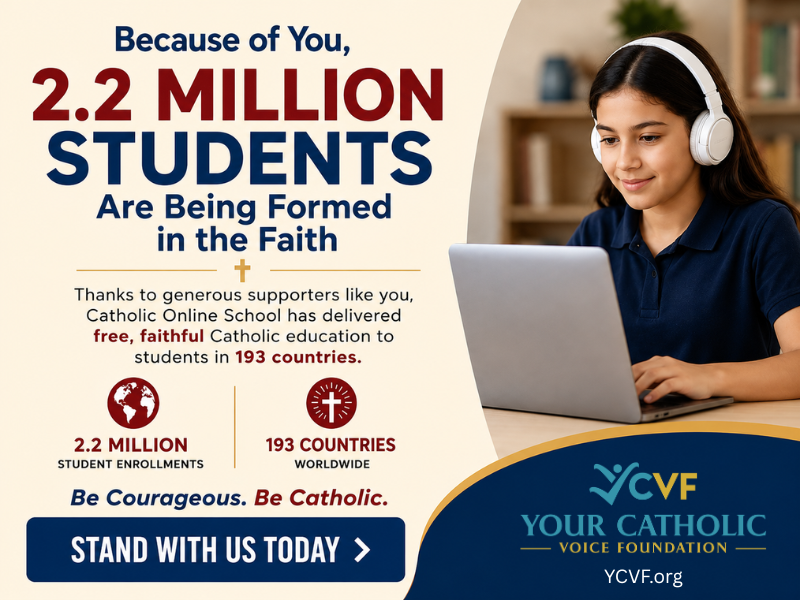
Because of You, 2.2 Million Students Are Being Formed in the Faith
Because of generous supporters like you, Catholic Online School has already delivered free, faithful Catholic education to over 2.2 million students across 193 countries. In an age of noise and algorithms, you are helping form souls with truth, prayer, Scripture, and Christ.
If everyone who reads this gave just $5 — the cost of a coffee — we could reach even more families and keep this life-changing formation free for all. Be Courageous. Be Catholic. Stand with us today.
DONATE TODAY >St. Gregory the Enlightener
Facts
Author and Publisher - Catholic Online
Printable Catholic Saints PDFs
Shop St. Gregory the Enlightener

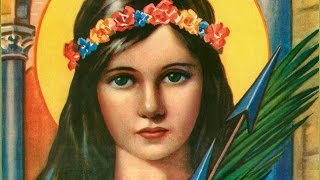
Gregory the Enlightener was also surnamed the Illuminator. He is of unknown origins, but unreliable tradition has him the son of Anak, a Parthian who murdered King Khosrov I of Armenia when Gregory was a baby. The infant Gregory was smuggled to Caesarea to escape the dying Khosrov's order to murder the entire family, was baptized, married, and had two sons. When King Khosrov's son, Tiridates, regained his father's throne, Gregory was permitted to return, but he incurred the King's displeasure by his support of the Armenian Christians and his conversion activities. In time, Tiridates was converted to Christianity by Gregory and proclaimed Christianity the official religion of Armenia. Gregory was consecrated bishop of Ashtishat, set about organizing the Church in Armenia and building a native clergy, and worked untiringly to evangelize the Armenians. Curiously enough, he set into motion the process that was to make his See a hereditary episcopate when he consecrated his son Aristakes to succeed him. He then retired to a hermitage on Mount Manyea in Taron and remained there until his death. Many extravagant legends and miracles were attributed to him, many of which are celebrated as feasts by the Armenians. He is considered the apostle of Armenia. His feast day is September 30th.
Come Grow With Us
Sign up and walk the Catholic journey with millions around the world.
Receive inspiring emails on saints, daily readings, and free faith-building resources—no cost, ever.
Who is forming our children—algorithms or Christ?
Watch Sister Sara's Message Now
- 7 Morning Prayers
- Mysteries of the Rosary
- Litany of the Bl. Virgin Mary
- Popular Saints
- Popular Prayers
- Female Saints
- Saint Feast Days by Month
- Stations of the Cross
- St. Francis of Assisi
- St. Michael the Archangel
- The Apostles' Creed
- Unfailing Prayer to St. Anthony
- Pray the Rosary





Copyright 2026 Catholic Online. All materials contained on this site, whether written, audible or visual are the exclusive property of Catholic Online and are protected under U.S. and International copyright laws, © Copyright 2026 Catholic Online. Any unauthorized use, without prior written consent of Catholic Online is strictly forbidden and prohibited.
Catholic Online is a Project of Your Catholic Voice Foundation, a Not-for-Profit Corporation. Your Catholic Voice Foundation has been granted a recognition of tax exemption under Section 501(c)(3) of the Internal Revenue Code. Federal Tax Identification Number: 81-0596847. Your gift is tax-deductible as allowed by law.
