Edmund O'Reilly
FREE Catholic Classes
Theologian, b. in London, 30 April, 1811; d. at Dublin, 10 November, 1878. Educated at Clongowes and Maynooth, he made his theological studies at Rome, where after seven years in the Roman College he gained the decree of Doctor of Divinity by a "public act" de iniversa theologia. After his ordination in 1838 he taught theology for thirteen years at Maynooth into which he was mainly instrumental in introducing the Roman spirit and tradition, after which he entered the Jesuit novitiate at Naples. He taught theology for some years at St. Beuno's College in North Wales till he was appointed Professor of Theology under Newman in the Catholic University of Ireland. During the remainder of his life he resided at Milltown Park near Dublin as rector of a House of Spiritual ; and he was Provincial of Ireland 1863-70. Constantly consulted on theological questions by the bishops and priests of Ireland, Cardinal Newman in his famous "Letter to the Duke of Norfolk" calls him "a great authority" and "one of the first theologians of the day". Dr. W.G. Ward, editor of "The Dublin Review", said: "It is a great loss to the Church that so distinguished a theologian as Father O'Reilly has published so little". Dr. Ward wrote of his chief work, "The Relations of the Church to Society ", "Whatever is written by so able and so solidly learned a theologian, one so docile to the Church and so fixed in the ancient theological paths, cannot but be of signal benefit to the Catholic reader in these anxious and perilous times."


We ask you, humbly: don't scroll away.
Hi readers, it seems you use Catholic Online a lot; that's great! It's a little awkward to ask, but we need your help. If you have already donated, we sincerely thank you. We're not salespeople, but we depend on donations averaging $14.76 and fewer than 1% of readers give. If you donate just $5.00, the price of your coffee, Catholic Online School could keep thriving. Thank you.Help Now >
Join the Movement
When you sign up below, you don't just join an email list - you're joining an entire movement for Free world class Catholic education.


-

-
Mysteries of the Rosary
-
St. Faustina Kowalska
-
Litany of the Blessed Virgin Mary
-
Saint of the Day for Wednesday, Oct 4th, 2023
-
Popular Saints
-
St. Francis of Assisi
-
Bible
-
Female / Women Saints
-
7 Morning Prayers you need to get your day started with God
-
Litany of the Blessed Virgin Mary

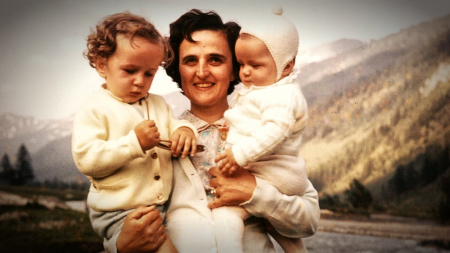
Sacrifices of Faith: The Pro-Life Legacies of St. Gianna and Jessica Hanna
-
How to love God by caring for our bodies
-
Pope Francis calls for negotiations to End Russia-Ukraine War
-
Pope Francis Contemplates Return to U.S. for United Nations Assembly Address
-
Pope Francis Calls on Faithful to Embrace Faith, Hope, and Charity in New Teaching Series


Daily Catholic
- Daily Readings for Saturday, April 27, 2024
- St. Zita: Saint of the Day for Saturday, April 27, 2024
- Prayer for the Dead # 2: Prayer of the Day for Saturday, April 27, 2024
- Daily Readings for Friday, April 26, 2024
- St. Cletus: Saint of the Day for Friday, April 26, 2024
- Prayer before the Closing of the Day: Prayer of the Day for Friday, April 26, 2024
 Daily Readings for Saturday, April 27, 2024
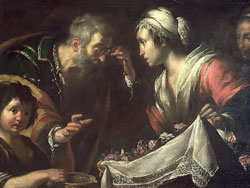 St. Zita: Saint of the Day for Saturday, April 27, 2024
 Prayer for the Dead # 2: Prayer of the Day for Saturday, April 27, 2024

Copyright 2024 Catholic Online. All materials contained on this site, whether written, audible or visual are the exclusive property of Catholic Online and are protected under U.S. and International copyright laws, © Copyright 2024 Catholic Online. Any unauthorized use, without prior written consent of Catholic Online is strictly forbidden and prohibited.
Catholic Online is a Project of Your Catholic Voice Foundation, a Not-for-Profit Corporation. Your Catholic Voice Foundation has been granted a recognition of tax exemption under Section 501(c)(3) of the Internal Revenue Code. Federal Tax Identification Number: 81-0596847. Your gift is tax-deductible as allowed by law.