We ask you, humbly: don't scroll away.
Hi readers, it seems you use Catholic Online a lot; that's great! It's a little awkward to ask, but we need your help. If you have already donated, we sincerely thank you. We're not salespeople, but we depend on donations averaging $14.76 and fewer than 1% of readers give. If you donate just $5.00, the price of your coffee, Catholic Online School could keep thriving. Thank you.Help Now >
The Old Chapter
FREE Catholic Classes
The origin of the body, fomerly known as the Old Chapter, dates from 1623, when after a period of more than half a century during which there was no episcopal government in England, Dr. William Bishop was at length created vicar apostolic. He survived less than a year; but during this period he organized a regular form of ecclesiastical government, by means of archdeacons and rural deans, throughout the country which continued in force with little change down to the re- establishment of the hierarchy in 1850. An integral part of his scheme was the creation of a chapter consisting of twenty-four canons with Rev. John Colleton as dean. The ecclesiastical status of the chapter has always been a matter of dispute. A chapter without a diocese is an anomaly, unknown in canon law, and Rome always refrained from any positive act of recognition. On the other hand, she equally refrained from any censure, although it was known that the chapter was claiming and exercising large functions. They therefore argued that the chapter existed "sciente et tacente sede apostolica" (with the knowledgte and silent consent of the pope ) and that this was sufficient to give it a canonical status. When Dr. Bishop died they sent a list of names from which his successor might be chosen, and the Holy See accepted their action choosing the first name—Dr. Richard Smith . Three years later he had to leave the country, and spent the rest of his life in Paris. After his death the chapter assumed the right to rule the country in the vacancy of the episcopal office, and for thirty years all faculties were issued by the dean who claimed the verbal approval of Alexander VII.
We ask you, humbly: don't scroll away.
Hi readers, it seems you use Catholic Online a lot; that's great! It's a little awkward to ask, but we need your help. If you have already donated, we sincerely thank you. We're not salespeople, but we depend on donations averaging $14.76 and fewer than 1% of readers give. If you donate just $5.00, the price of your coffee, Catholic Online School could keep thriving. Thank you.Help Now >
When James II ascended the throne, and England was divided into four districts or vicariates, the position of the chapter became still more anomalous. Dr. Leyburn, the first vicar Apostolic of that reign, was required to take an oath not to recognize the chapter, and a decree was issued in gerneral terms suspending all jurisdiction of chapters of regulars and seculars so long as there were vicars Apostolic in England ; but doubt was felt whether this was meant to apply to the Old Chapter, for the very reason that its position was anomalous. In practice, however, they submitted, and ceased to exercise any acts of jurisdiction ; but they continued their existence. The vicars Apostolic themselves were usually members.
When the hierarchy was reestablished in 1850, a chapter was erected in each diocese, and whatever claims to jurisdiction the Old Chapter had, from that time ceased. Not wishing to dissolve, however, they reconstituted themselves as the "Old Brotherhood of the Secular Clergy ", the dean of the chapter becoming president of the brotherhood. Under this title they have continued to the present day. They meet twice a year and distribute their funds to various charities.

We ask you, humbly: don't scroll away.
Hi readers, it seems you use Catholic Online a lot; that's great! It's a little awkward to ask, but we need your help. If you have already donated, we sincerely thank you. We're not salespeople, but we depend on donations averaging $14.76 and fewer than 1% of readers give. If you donate just $5.00, the price of your coffee, Catholic Online School could keep thriving. Thank you.Help Now >
Join the Movement
When you sign up below, you don't just join an email list - you're joining an entire movement for Free world class Catholic education.


-

-
Mysteries of the Rosary
-
St. Faustina Kowalska
-
Litany of the Blessed Virgin Mary
-
Saint of the Day for Wednesday, Oct 4th, 2023
-
Popular Saints
-
St. Francis of Assisi
-
Bible
-
Female / Women Saints
-
7 Morning Prayers you need to get your day started with God
-
Litany of the Blessed Virgin Mary


Sacrifices of Faith: The Pro-Life Legacies of St. Gianna and Jessica Hanna
-
How to love God by caring for our bodies
-
Pope Francis calls for negotiations to End Russia-Ukraine War
-
Pope Francis Contemplates Return to U.S. for United Nations Assembly Address
-
Pope Francis Calls on Faithful to Embrace Faith, Hope, and Charity in New Teaching Series


Daily Catholic
- Daily Readings for Sunday, April 28, 2024
- St. Peter Chanel: Saint of the Day for Sunday, April 28, 2024
- Prayer before a Crucifix: Prayer of the Day for Sunday, April 28, 2024
- Daily Readings for Saturday, April 27, 2024
- St. Zita: Saint of the Day for Saturday, April 27, 2024
- Prayer for the Dead # 2: Prayer of the Day for Saturday, April 27, 2024
 Daily Readings for Sunday, April 28, 2024
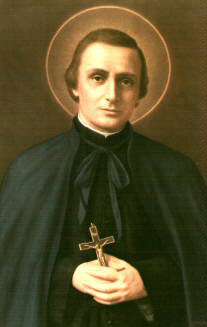 St. Peter Chanel: Saint of the Day for Sunday, April 28, 2024
 Prayer before a Crucifix: Prayer of the Day for Sunday, April 28, 2024

Copyright 2024 Catholic Online. All materials contained on this site, whether written, audible or visual are the exclusive property of Catholic Online and are protected under U.S. and International copyright laws, © Copyright 2024 Catholic Online. Any unauthorized use, without prior written consent of Catholic Online is strictly forbidden and prohibited.
Catholic Online is a Project of Your Catholic Voice Foundation, a Not-for-Profit Corporation. Your Catholic Voice Foundation has been granted a recognition of tax exemption under Section 501(c)(3) of the Internal Revenue Code. Federal Tax Identification Number: 81-0596847. Your gift is tax-deductible as allowed by law.
