Truce of God
FREE Catholic Classes
The Truce of God is a temporary suspension of hostilities, as distinct from the Peace of God which is perpetual. The jurisdiction of the Peace of God is narrower than that of the Truce. Under the Peace of God are included only:
- consecrated persons -- clerics, monks, virgins, and cloistered widows ;
- consecrated places -- churches, monasteries, and cemeteries, with their dependencies;
- consecrated times -- Sundays, and ferial days, all under the special protection of the Church, which punishes transgressors with excommunication.
The Truce of God dates only from the eleventh century. It arose amid the anarchy of feudalism as a remedy for the powerlessness of lay authorities to enforce respect for the public peace. There was then an epidemic of private wars, which made Europe a battlefield bristling with fortified castles and overrun by armed bands who respected nothing, not even sanctuaries, clergy, or consecrated days. A Council of Elne in 1027, in a canon concerning the sanctification of Sunday, forbade hostilities from Saturday night until Monday morning. Here may be seen the germ of the Truce of God. This prohibition was subsequently extended to the days of the week consecrated by the great mysteries of Christianity, viz., Thursday, in memory of the Ascension, Friday, the day of the Passion, and Saturday, the day of the Resurrection (council 1041). Still another step included Advent and Lent in the Truce. Efforts were made in this way to limit the scourge of private war without suppressing it outright. The penalty was excommunication. The Truce soon spread from France to Italy and Germany ; the oecumenical council of 1179 extended the institution to the whole Church by Canon xxi, "De treugis servandis", which was inserted in the collection of canon law (Decretal of Gregory IX, I, tit., "De treuga et pace"). The problem of the public peace which was the great desideratum of the Middle Ages was not solved at one stroke, but at least the impetus was given. Gradually the public authorities, royalty, the leagues between nobles (Landfrieden), and the communes followed the impulse and finally restricted war to international conflicts.

We ask you, humbly: don't scroll away.
Hi readers, it seems you use Catholic Online a lot; that's great! It's a little awkward to ask, but we need your help. If you have already donated, we sincerely thank you. We're not salespeople, but we depend on donations averaging $14.76 and fewer than 1% of readers give. If you donate just $5.00, the price of your coffee, Catholic Online School could keep thriving. Thank you.Help Now >
Join the Movement
When you sign up below, you don't just join an email list - you're joining an entire movement for Free world class Catholic education.


-

-
Mysteries of the Rosary
-
St. Faustina Kowalska
-
Litany of the Blessed Virgin Mary
-
Saint of the Day for Wednesday, Oct 4th, 2023
-
Popular Saints
-
St. Francis of Assisi
-
Bible
-
Female / Women Saints
-
7 Morning Prayers you need to get your day started with God
-
Litany of the Blessed Virgin Mary


Sacrifices of Faith: The Pro-Life Legacies of St. Gianna and Jessica Hanna
-
How to love God by caring for our bodies
-
Pope Francis calls for negotiations to End Russia-Ukraine War
-
Pope Francis Contemplates Return to U.S. for United Nations Assembly Address
-
Pope Francis Calls on Faithful to Embrace Faith, Hope, and Charity in New Teaching Series


Daily Catholic
- Daily Readings for Sunday, April 28, 2024
- St. Peter Chanel: Saint of the Day for Sunday, April 28, 2024
- Prayer before a Crucifix: Prayer of the Day for Sunday, April 28, 2024
- Daily Readings for Saturday, April 27, 2024
- St. Zita: Saint of the Day for Saturday, April 27, 2024
- Prayer for the Dead # 2: Prayer of the Day for Saturday, April 27, 2024
 Daily Readings for Sunday, April 28, 2024
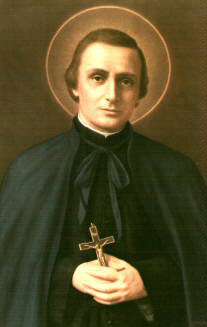 St. Peter Chanel: Saint of the Day for Sunday, April 28, 2024
 Prayer before a Crucifix: Prayer of the Day for Sunday, April 28, 2024

We ask you, humbly: don't scroll away.
Hi readers, it seems you use Catholic Online a lot; that's great! It's a little awkward to ask, but we need your help. If you have already donated, we sincerely thank you. We're not salespeople, but we depend on donations averaging $14.76 and fewer than 1% of readers give. If you donate just $5.00, the price of your coffee, Catholic Online School could keep thriving. Thank you.Help Now >

Copyright 2024 Catholic Online. All materials contained on this site, whether written, audible or visual are the exclusive property of Catholic Online and are protected under U.S. and International copyright laws, © Copyright 2024 Catholic Online. Any unauthorized use, without prior written consent of Catholic Online is strictly forbidden and prohibited.
Catholic Online is a Project of Your Catholic Voice Foundation, a Not-for-Profit Corporation. Your Catholic Voice Foundation has been granted a recognition of tax exemption under Section 501(c)(3) of the Internal Revenue Code. Federal Tax Identification Number: 81-0596847. Your gift is tax-deductible as allowed by law.