We ask you, urgently: don't scroll past this
Dear readers, Catholic Online was de-platformed by Shopify for our pro-life beliefs. They shut down our Catholic Online, Catholic Online School, Prayer Candles, and Catholic Online Learning Resources essential faith tools serving over 1.4 million students and millions of families worldwide. Our founders, now in their 70's, just gave their entire life savings to protect this mission. But fewer than 2% of readers donate. If everyone gave just $5, the cost of a coffee, we could rebuild stronger and keep Catholic education free for all. Stand with us in faith. Thank you.Help Now >
Bl. Edmund Ignatius Rice
Facts
Birth: 1762
Death: 1844
Beatified: Pope John Paul II
Author and Publisher - Catholic Online
Printable Catholic Saints PDFs
Shop Bl. Edmund Ignatius Rice
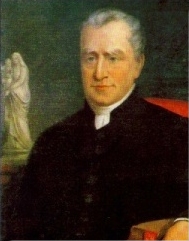
The founder of the Congregation of the Brothers of the Christian Schools, often called the Irish Christian Brothers. Edmund was born in Wescourt, Ireland, in June, 1762, the fourth of seven sons in a fanning family At seventeen he began working at his uncle’s import-export business in Waterford. He later inherited the business. Married at twenty-five, Edmund lost his wife two years later and was left with a sickly infant daughter. A devout man, Edmund dedicated himself to charitable works. Though he saw how the economic and political storms of the day were impacting Ireland, he desired a religious vocation in the contemplative life. However, the Bishop of Waterford drew Edmund’s attention to the bands of ragged youth in the streets, asking Edmund if he, too, planned to abandon them. Encouraged by Pope Pius VII and Bishop Hussey, Edmund sold his business, arranged for his daughter’s care, and opened his first school in 1802. He had three other schools in operation by 1806, and took the name Ignatius as a religious with companions in 1808 in a pontifical institute. Edmund established the Catholic Model School and saw the founding of eleven communities in Ireland, eleven in England, and one in Australia, with requests coming from the United States and Canada. He resigned as Superior General in 1838 and died at Mt. Sion, site of his first school, on August 29, 1844. Pope John Paul II beatified him on October 6, 1996.
Join the Movement
When you sign up below, you don't just join an email list - you're joining an entire movement for Free world class Catholic education.
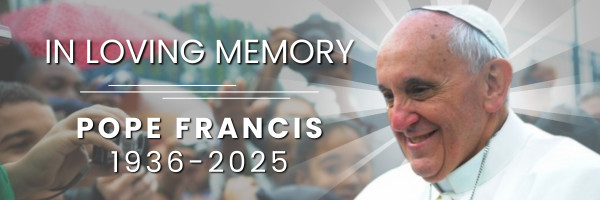
Novena for Pope Francis | FREE PDF Download
-

- Easter / Lent
- Ascension Day
- 7 Morning Prayers
- Mysteries of the Rosary
- Litany of the Bl. Virgin Mary
- Popular Saints
- Popular Prayers
- Female Saints
- Saint Feast Days by Month
- Stations of the Cross
- St. Francis of Assisi
- St. Michael the Archangel
- The Apostles' Creed
- Unfailing Prayer to St. Anthony
- Pray the Rosary


Cardinals Request Prayers from Faithful Ahead of Historic May 7 Conclave

How a New Pope Is Elected

Toy Shortages Threaten Christmas Traditions as Trade War Impacts Retailers
Daily Catholic
- Daily Readings for Thursday, May 01, 2025
- St. Marculf: Saint of the Day for Thursday, May 01, 2025
- To Saint Peregrine: Prayer of the Day for Thursday, May 01, 2025
- Daily Readings for Wednesday, April 30, 2025
- St. Pius V, Pope: Saint of the Day for Wednesday, April 30, 2025
- Prayer to Saint Joseph for Success in Work: Prayer of the Day for Wednesday, April 30, 2025
 Daily Readings for Thursday, May 01, 2025
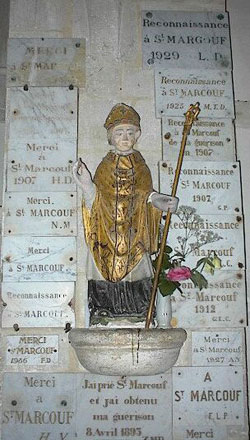 St. Marculf: Saint of the Day for Thursday, May 01, 2025
 To Saint Peregrine: Prayer of the Day for Thursday, May 01, 2025
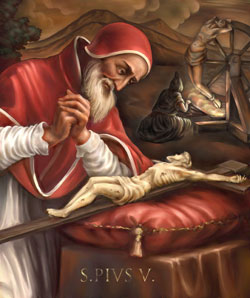 St. Pius V, Pope: Saint of the Day for Wednesday, April 30, 2025


Copyright 2025 Catholic Online. All materials contained on this site, whether written, audible or visual are the exclusive property of Catholic Online and are protected under U.S. and International copyright laws, © Copyright 2025 Catholic Online. Any unauthorized use, without prior written consent of Catholic Online is strictly forbidden and prohibited.
Catholic Online is a Project of Your Catholic Voice Foundation, a Not-for-Profit Corporation. Your Catholic Voice Foundation has been granted a recognition of tax exemption under Section 501(c)(3) of the Internal Revenue Code. Federal Tax Identification Number: 81-0596847. Your gift is tax-deductible as allowed by law.