 Hi readers, it seems you use Catholic Online a lot; that's great! It's a little awkward to ask, but we need your help. If you have already donated, we sincerely thank you. We're not salespeople, but we depend on donations averaging $14.76 and fewer than 1% of readers give. If you donate just $5.00, the price of your coffee, Catholic Online School could keep thriving. Thank you. Help Now >
Simon Langham
FREE Catholic Classes
Cardinal, Archbishop of Canterbury and Chancellor of England, b. at Langham in Rutland; d. at Avignon, France, 22 July, 1376.
Nothing is known of his early life, but in 1346 he was already a Benedictine monk of Westminster Abbey, representing his house in the triennial chapter. In April, 1349, he was made prior, and in May he became abbot. In this office he proved very successful, ruling well and carrying out many works, including the completion of the cloisters. He became treasurer of England on 21 Nov., 1360, and Bishop of Ely on 10 Jan., 1362. Before consecration he was also elected Bishop of London, but he refused this see, preferringEly. On 19 Feb., 1363, he received the great seal as chancellor, and he was the first to speak in English when opening Parliament. He was appointed Archbishop of Canterbury on 24 July, 1366, and received the pallium from the pope on 4 Nov., having previously resigned the chancellorship. As archbishop he was vigilant against false doctrine, condemned certain propositions taught at Oxford, removed one Wycliffe—not the well-known heretic of that name—from the headship of Canterbury Hall, and censured the demagogue-priest, John Ball. Blessed Urban V created him Cardinal of St. Sixtus, 27 Sept., 1368. His acceptance of this dignity without the king's leave offended Edward III, who seized the Canterbury revenues on the plea that Langham had by his act forfeited the see. Langham resigned the archbishopric on 27 Nov., and early in 1369 joined the Pope at Avignon, being succeeded at Canterbury by Whittlesey. Subsequently he regained the king's favor, but did not return to his native country, though he held several English preferments in succession, such as the archdeaconries of Wells and Taunton. Gregory XI made him Cardinal-Bishop of Palestrina in July, 1373, and in the following year the monks at Canterbury again elected him as archbishop. The pope refused to confirm this, alleging that he could not spare the cardinal from Avignon. When the Curia was about to return to Rome in 1376, Langham obtained permission to go back to England, but he died before he could carry out this intention. Three years after his death, his remains were translated from Avignon to Westminster Abbey to which he had bequeathed his residuary estate. He was an upright man, and an able, if stern, ruler.


We ask you, humbly: don't scroll away.
Hi readers, it seems you use Catholic Online a lot; that's great! It's a little awkward to ask, but we need your help. If you have already donated, we sincerely thank you. We're not salespeople, but we depend on donations averaging $14.76 and fewer than 1% of readers give. If you donate just $5.00, the price of your coffee, Catholic Online School could keep thriving. Thank you.Help Now >
Join the Movement
When you sign up below, you don't just join an email list - you're joining an entire movement for Free world class Catholic education.


-

-
Mysteries of the Rosary
-
St. Faustina Kowalska
-
Litany of the Blessed Virgin Mary
-
Saint of the Day for Wednesday, Oct 4th, 2023
-
Popular Saints
-
St. Francis of Assisi
-
Bible
-
Female / Women Saints
-
7 Morning Prayers you need to get your day started with God
-
Litany of the Blessed Virgin Mary


Sacrifices of Faith: The Pro-Life Legacies of St. Gianna and Jessica Hanna
-
How to love God by caring for our bodies
-
Pope Francis calls for negotiations to End Russia-Ukraine War
-
Pope Francis Contemplates Return to U.S. for United Nations Assembly Address
-
Pope Francis Calls on Faithful to Embrace Faith, Hope, and Charity in New Teaching Series


Daily Catholic
- Daily Readings for Sunday, April 28, 2024
- St. Peter Chanel: Saint of the Day for Sunday, April 28, 2024
- Prayer before a Crucifix: Prayer of the Day for Sunday, April 28, 2024
- Daily Readings for Saturday, April 27, 2024
- St. Zita: Saint of the Day for Saturday, April 27, 2024
- Prayer for the Dead # 2: Prayer of the Day for Saturday, April 27, 2024
 Daily Readings for Sunday, April 28, 2024
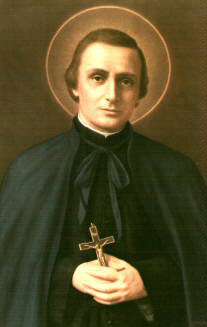 St. Peter Chanel: Saint of the Day for Sunday, April 28, 2024
 Prayer before a Crucifix: Prayer of the Day for Sunday, April 28, 2024
Hi readers, it seems you use Catholic Online a lot; that's great! It's a little awkward to ask, but we need your help. If you have already donated, we sincerely thank you. We're not salespeople, but we depend on donations averaging $14.76 and fewer than 1% of readers give. If you donate just $5.00, the price of your coffee, Catholic Online School could keep thriving. Thank you. Help Now >
Prayer before a Crucifix: Prayer of the Day for Sunday, April 28, 2024
Hi readers, it seems you use Catholic Online a lot; that's great! It's a little awkward to ask, but we need your help. If you have already donated, we sincerely thank you. We're not salespeople, but we depend on donations averaging $14.76 and fewer than 1% of readers give. If you donate just $5.00, the price of your coffee, Catholic Online School could keep thriving. Thank you. Help Now >


Copyright 2024 Catholic Online. All materials contained on this site, whether written, audible or visual are the exclusive property of Catholic Online and are protected under U.S. and International copyright laws, © Copyright 2024 Catholic Online. Any unauthorized use, without prior written consent of Catholic Online is strictly forbidden and prohibited.
Catholic Online is a Project of Your Catholic Voice Foundation, a Not-for-Profit Corporation. Your Catholic Voice Foundation has been granted a recognition of tax exemption under Section 501(c)(3) of the Internal Revenue Code. Federal Tax Identification Number: 81-0596847. Your gift is tax-deductible as allowed by law.