Pope John V
FREE Catholic Classes
(685-686).
A Syrian whose father was one Cyriacus; when he was born is not known; d. 2 August, 686. As a deacon he was one of those who represented the Apostolic See at the Sixth Oecumenical Council. He returned to Rome in July, 682, with the official documents of the synod. He obtained such favour in the eyes of the Emperor Constantine Pogonatus that the latter lessened the taxes which had been imposed on the papal patrimonies in Sicily and Calabria, and generally reduced the fiscal burdens from which the Church suffered. John's energy, learning, and moderation are highly praised by his biographer. It was no doubt the possession of these virtues which caused him to be elected pope in the basilica of St. John Lateran. The necessity of waiting for the imperial confirmation of papal elections having been abolished by Constantine Pognatus, John was straightway conducted to the Lateran palace as pope. He was consecrated about 23 July, 685, and reigned for a little more than a year. From the days of St. Gregory the Great, the Archbishop of Cagliari in Sardinia enjoyed certain metropolitan powers. Although the right of consecrating the bishops of the island was not one of his privileges, Citonatus of Cagliari proceeded to lay hands on the bishop-elect of Turris Libisonis. John, however, definitively declared the See of Turris directly subject to the Holy See. John's generosity showed itself in his liberal donations. In his short pontificate he distributed 1900 solidi to the clergy and to the deaconries for the poor. After a long illness, he died on 2 August, 686, and was buried in St. Peter's .
We ask you, humbly: don't scroll away.
Hi readers, it seems you use Catholic Online a lot; that's great! It's a little awkward to ask, but we need your help. If you have already donated, we sincerely thank you. We're not salespeople, but we depend on donations averaging $14.76 and fewer than 1% of readers give. If you donate just $5.00, the price of your coffee, Catholic Online School could keep thriving. Thank you.Help Now >

 Hi readers, it seems you use Catholic Online a lot; that's great! It's a little awkward to ask, but we need your help. If you have already donated, we sincerely thank you. We're not salespeople, but we depend on donations averaging $14.76 and fewer than 1% of readers give. If you donate just $5.00, the price of your coffee, Catholic Online School could keep thriving. Thank you. Help Now >
Join the Movement
When you sign up below, you don't just join an email list - you're joining an entire movement for Free world class Catholic education.


-

-
Mysteries of the Rosary
-
St. Faustina Kowalska
-
Litany of the Blessed Virgin Mary
-
Saint of the Day for Wednesday, Oct 4th, 2023
-
Popular Saints
-
St. Francis of Assisi
-
Bible
-
Female / Women Saints
-
7 Morning Prayers you need to get your day started with God
-
Litany of the Blessed Virgin Mary

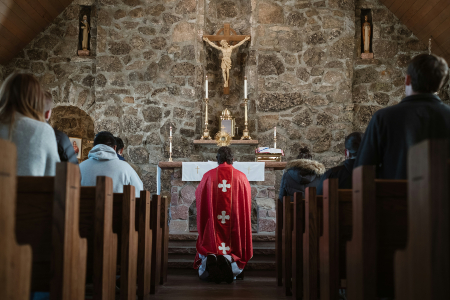
U.S. Catholic Parishes Experience Resurgence of Traditional Practices
-
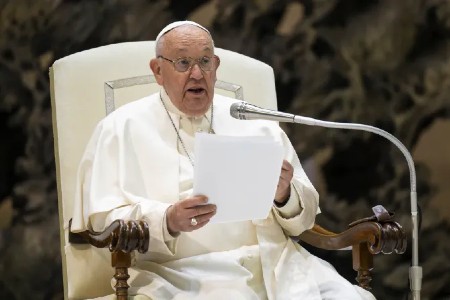
Pope Francis Urges Faith and Prayers for Peace
-
Florida Welcomes Volunteer Chaplains to Public Schools
-
10 Fascinating Details About St. Joseph the Worker: Celebrating His Feast Day - May 1
-
St. Joseph the Worker: Model for Men, Young and Old

Daily Catholic
- Daily Readings for Thursday, May 02, 2024
- St. Athanasius: Saint of the Day for Thursday, May 02, 2024
- The Our Father: Prayer of the Day for Thursday, May 02, 2024
- Daily Readings for Wednesday, May 01, 2024
- St. Marculf: Saint of the Day for Wednesday, May 01, 2024
- To Saint Peregrine: Prayer of the Day for Wednesday, May 01, 2024
 Daily Readings for Thursday, May 02, 2024
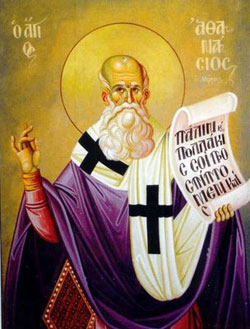 St. Athanasius: Saint of the Day for Thursday, May 02, 2024
 The Our Father: Prayer of the Day for Thursday, May 02, 2024


Copyright 2024 Catholic Online. All materials contained on this site, whether written, audible or visual are the exclusive property of Catholic Online and are protected under U.S. and International copyright laws, © Copyright 2024 Catholic Online. Any unauthorized use, without prior written consent of Catholic Online is strictly forbidden and prohibited.
Catholic Online is a Project of Your Catholic Voice Foundation, a Not-for-Profit Corporation. Your Catholic Voice Foundation has been granted a recognition of tax exemption under Section 501(c)(3) of the Internal Revenue Code. Federal Tax Identification Number: 81-0596847. Your gift is tax-deductible as allowed by law.