 Dear readers, Catholic Online was de-platformed by Shopify for our pro-life beliefs. They shut down our Catholic Online, Catholic Online School, Prayer Candles, and Catholic Online Learning Resources essential faith tools serving over 1.4 million students and millions of families worldwide. Our founders, now in their 70's, just gave their entire life savings to protect this mission. But fewer than 2% of readers donate. If everyone gave just $5, the cost of a coffee, we could rebuild stronger and keep Catholic education free for all. Stand with us in faith. Thank you. Help Now >
St. Maro
Facts
Death: 410
Author and Publisher - Catholic Online
Printable Catholic Saints PDFs
Shop St. Maro
St. Maro chose a solitary abode not far from the city of Cyrrhus in Syria, and there in a spirit of mortification, he lived mainly in the open air. He had indeed a little hut covered with goatskins to shelter him in case of need, but he very seldom made use of it. Finding the ruins of the heathen temple, he dedicated it to the true God, and made it his house of prayer. St. John Chrysostom, who had a great regard for him, wrote to him from Cucusus, the place of his banishment, and, recommending himself to his prayers, begged to hear from him as often as possible. Maro was a disciple of St. Zebinus. He drew great crowds by his spiritual wisdom. He trained many hermits and monks and founded three monasteries. It is believed the Maronites take their name from Bait-Marun monastery near the source of the Orantes river, where a church was erected over his tomb. His feast day is February 14th.
More Saints
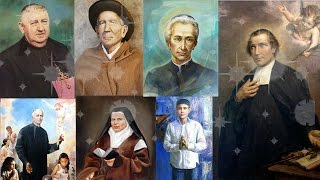 New Saints canonized by Pope Francis
FREE Saint Classes Printable Saint PDF's Light a Virtual Saint Candle
Come Grow With Us
Sign up and walk the Catholic journey with millions around the world.
Receive inspiring emails on saints, daily readings, and free faith-building resources—no cost, ever.
Sister Sara Has One Message for Every Catholic Family This June
- 7 Morning Prayers
- Mysteries of the Rosary
- Litany of the Bl. Virgin Mary
- Popular Saints
- Popular Prayers
- Female Saints
- Saint Feast Days by Month
- Stations of the Cross
- St. Francis of Assisi
- St. Michael the Archangel
- The Apostles' Creed
- Unfailing Prayer to St. Anthony
- Pray the Rosary






Copyright 2026 Catholic Online. All materials contained on this site, whether written, audible or visual are the exclusive property of Catholic Online and are protected under U.S. and International copyright laws, © Copyright 2026 Catholic Online. Any unauthorized use, without prior written consent of Catholic Online is strictly forbidden and prohibited.
Catholic Online is a Project of Your Catholic Voice Foundation, a Not-for-Profit Corporation. Your Catholic Voice Foundation has been granted a recognition of tax exemption under Section 501(c)(3) of the Internal Revenue Code. Federal Tax Identification Number: 81-0596847. Your gift is tax-deductible as allowed by law.