 Dear readers, Catholic Online was de-platformed by Shopify for our pro-life beliefs. They shut down our Catholic Online, Catholic Online School, Prayer Candles, and Catholic Online Learning Resources essential faith tools serving over 1.4 million students and millions of families worldwide. Our founders, now in their 70's, just gave their entire life savings to protect this mission. But fewer than 2% of readers donate. If everyone gave just $5, the cost of a coffee, we could rebuild stronger and keep Catholic education free for all. Stand with us in faith. Thank you. Help Now >
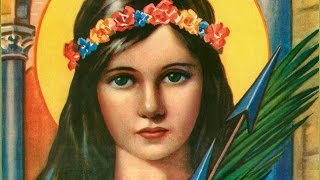
St. Blandina
Facts
Birth: 162
Death: 177
Author and Publisher - Catholic Online
Printable Catholic Saints PDFs
Shop St. Blandina
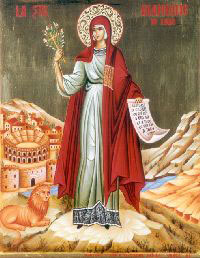
St. Blandina who was a slave in the second century and patroness of young girls. Here is all we know of her: After the miraculous victory obtained by the prayers of the Christians under Marcus Aurelius, in 174, the Church enjoyed a kind of peace, though it was often disturbed in particular places by popular commotions, or by the superstitious fury of certain governors. This appears from the violent persecution which was raised three years after the aforesaid victory, at Vienne and Lyons, in 177, while St. Pothinus was bishop of Lyons, and St. Irenaeus, who had been sent there by St. Polycarp out of Asia, was a priest of that city. Many of the principal Christians were brought before the Roman governor. Among them was a slave, Blandina; and her mistress, also a Christian, feared that Blandina lacked strength to brave the torture. She was tormented a whole day through, but she bore it all with joy till the executioners gave up, confessing themselves outdone. Red-hot plates were held to the sides of Sanctus, a deacon of Vienne, till his body became one great sore, and he looked no longer like a man; but in the midst of his tortures he was "bedewed and strengthed by the stream of heavenly water which flows from the side of Christ." Meantime, many confessors were kept in prison, and with them were some who had been terrified into apostasy. Even the heathens marked the joy of martyrdom in the Christians who were decked for their eternal espousals, and the misery of the apostate. But the faithful confessors brought back those who had fallen, and the Church, "that Virgin Mother," rejoiced when she saw her children live again in Christ. Some died in prison, the rest were martyred one by one, St. Blandina last of all, after seeing her younger brother put to a cruel death, and encouraging him to victory. Blandina was tortured for her faith; body burned and ashes thrown in the Tiber River. Her feast day is June 2nd.
Join the Movement
When you sign up below, you don't just join an email list - you're joining an entire movement for Free world class Catholic education.
-

- Easter / Lent
- Ascension Day
- 7 Morning Prayers
- Mysteries of the Rosary
- Litany of the Bl. Virgin Mary
- Popular Saints
- Popular Prayers
- Female Saints
- Saint Feast Days by Month
- Stations of the Cross
- St. Francis of Assisi
- St. Michael the Archangel
- The Apostles' Creed
- Unfailing Prayer to St. Anthony
- Pray the Rosary


Why Carlo Acutis Is Called the ‘Patron Saint of the Internet’

‘I Thirst’: Pope Leo XIV on How Christ’s Weakness Becomes Our Salvation

When 278 Million Children Lose School, Catholics Must Act
Daily Catholic
- Daily Readings for Thursday, September 04, 2025
- St. Rosalia: Saint of the Day for Thursday, September 04, 2025
- Selflessness: Prayer of the Day for Thursday, September 04, 2025
- Daily Readings for Wednesday, September 03, 2025
- Pope Saint Gregory the Great: Saint of the Day for Wednesday, September 03, 2025
- A Prayer to Rebuke Satan: Prayer of the Day for Wednesday, September 03, 2025
 Daily Readings for Thursday, September 04, 2025
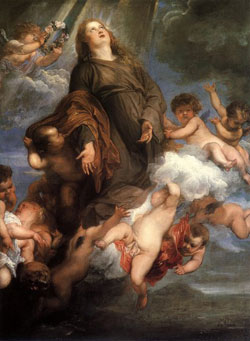 St. Rosalia: Saint of the Day for Thursday, September 04, 2025
 Selflessness: Prayer of the Day for Thursday, September 04, 2025
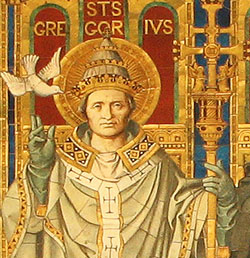 Pope Saint Gregory the Great: Saint of the Day for Wednesday, September 03, 2025


Copyright 2025 Catholic Online. All materials contained on this site, whether written, audible or visual are the exclusive property of Catholic Online and are protected under U.S. and International copyright laws, © Copyright 2025 Catholic Online. Any unauthorized use, without prior written consent of Catholic Online is strictly forbidden and prohibited.
Catholic Online is a Project of Your Catholic Voice Foundation, a Not-for-Profit Corporation. Your Catholic Voice Foundation has been granted a recognition of tax exemption under Section 501(c)(3) of the Internal Revenue Code. Federal Tax Identification Number: 81-0596847. Your gift is tax-deductible as allowed by law.