We ask you, humbly: don't scroll away.
Hi readers, it seems you use Catholic Online a lot; that's great! It's a little awkward to ask, but we need your help. If you have already donated, we sincerely thank you. We're not salespeople, but we depend on donations averaging $14.76 and fewer than 1% of readers give. If you donate just $5.00, the price of your coffee, Catholic Online School could keep thriving. Thank you.Help Now >
St. Alexander of Jerusalem
Facts
Death: 251
Author and Publisher - Catholic Online
Printable Catholic Saints PDFs
Shop St. Alexander of Jerusalem
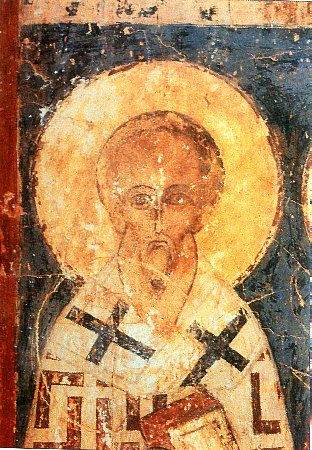
St. Alexander, Bishop and Martyr. Alexander was a student with Origen at the famous Christian school of Alexandria in the late second century. He became bishop of Cappadocia and during the persecution of Severus was imprisoned for several years (204-211). Following his release from prison, he made a pilgrimage to Jerusalem and was proclaimed coadjutor bishop there in the year 212. Demetrius, the bishop of Alexandria, censured Alexander for participating in the ordination of Origen and for encouraging Origen to teach in churches while still a layman. Despite this, Alexander received Origen in exile. Meanwhile, in Jerusalem, Alexander developed a great theological library. During the persecution of Decius, he was seized and again imprisoned. After making a public confession of faith, he was condemned and thrown to the wild beasts, but they refused to attack him. Alexander was then taken to Caesarea where he died in chains in the year 251. The Church recognizes him as a martyr. St. Alexander, despite his great learning and important ecclesiastical positions, was known as an individual of great mildness, especially in his sermons. When put to the test during two persecutions, he remained steadfast in faith and was willing to suffer death for the Faith.
Today when we are criticized by friends and society for the moral tenets of our Faith, St. Alexander is a prime example of how we should stand fast in the face of ridicule and ostracism.

Join the Movement
When you sign up below, you don't just join an email list - you're joining an entire movement for Free world class Catholic education.


-

-
Mysteries of the Rosary
-
St. Faustina Kowalska
-
Litany of the Blessed Virgin Mary
-
Saint of the Day for Wednesday, Oct 4th, 2023
-
Popular Saints
-
St. Francis of Assisi
-
Bible
-
Female / Women Saints
-
7 Morning Prayers you need to get your day started with God
-
Litany of the Blessed Virgin Mary


Sacrifices of Faith: The Pro-Life Legacies of St. Gianna and Jessica Hanna
-
How to love God by caring for our bodies
-
Pope Francis calls for negotiations to End Russia-Ukraine War
-
Pope Francis Contemplates Return to U.S. for United Nations Assembly Address
-
Pope Francis Calls on Faithful to Embrace Faith, Hope, and Charity in New Teaching Series


Daily Catholic
- Daily Readings for Saturday, April 27, 2024
- St. Zita: Saint of the Day for Saturday, April 27, 2024
- Prayer for the Dead # 2: Prayer of the Day for Saturday, April 27, 2024
- Daily Readings for Friday, April 26, 2024
- St. Cletus: Saint of the Day for Friday, April 26, 2024
- Prayer before the Closing of the Day: Prayer of the Day for Friday, April 26, 2024
 Daily Readings for Saturday, April 27, 2024
 St. Zita: Saint of the Day for Saturday, April 27, 2024
 Prayer for the Dead # 2: Prayer of the Day for Saturday, April 27, 2024
We ask you, humbly: don't scroll away.
Hi readers, it seems you use Catholic Online a lot; that's great! It's a little awkward to ask, but we need your help. If you have already donated, we sincerely thank you. We're not salespeople, but we depend on donations averaging $14.76 and fewer than 1% of readers give. If you donate just $5.00, the price of your coffee, Catholic Online School could keep thriving. Thank you.Help Now >

Copyright 2024 Catholic Online. All materials contained on this site, whether written, audible or visual are the exclusive property of Catholic Online and are protected under U.S. and International copyright laws, © Copyright 2024 Catholic Online. Any unauthorized use, without prior written consent of Catholic Online is strictly forbidden and prohibited.
Catholic Online is a Project of Your Catholic Voice Foundation, a Not-for-Profit Corporation. Your Catholic Voice Foundation has been granted a recognition of tax exemption under Section 501(c)(3) of the Internal Revenue Code. Federal Tax Identification Number: 81-0596847. Your gift is tax-deductible as allowed by law.