St. Veronica Giuliani
FREE Catholic Classes
Born at Mercatello in the Duchy of Urbino, Italy, 1660; died at Citt` di Castello, 9 July, 1727. Her parents, Francesco Giuliana and Benedetta Mancini, were both of gentle birth. In baptism she was named Ursula, and showed marvelous signs of sanctity. When but eighteen months old she uttered her first words to upbraid a shopman who was serving a false measure of oil, saying distinctly: "Do justice, God sees you." At the age of three years she began to be favoured with Divine communications, and to show great compassion for the poor. She would set apart a portion of her food for them, and even part with her clothes when she met a poor child scantily clad. These traits and a great love for the Cross developed as she grew older. When others did not readily join in her religious practices she was inclined to be dictatorial. In her sixteenth year this imperfection of character was brought home to her in a vision in which she saw her own heart as a heart of steel. In her writings she confesses that she took a certain pleasure in the more stately circumstances which her family adopted when her father was appointed superintendent of finance at Piacenza. But this did not in any way affect her early-formed resolution to dedicate herself to religion, although her father urged her to marry and procured for her several suitors as soon as she became of marriageable age. Owing to her father's opposition to her desire to enter a convent, Veronica fell ill and only recovered when he gave his consent.
We ask you, humbly: don't scroll away.
Hi readers, it seems you use Catholic Online a lot; that's great! It's a little awkward to ask, but we need your help. If you have already donated, we sincerely thank you. We're not salespeople, but we depend on donations averaging $14.76 and fewer than 1% of readers give. If you donate just $5.00, the price of your coffee, Catholic Online School could keep thriving. Thank you.Help Now >
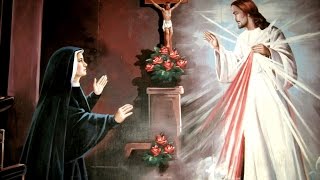
In 1677 she was received into the convent of the Capuchin Poor Clares in Citt` di Castello , taking the name of Veronica in memory of the Passion. At the conclusion of the ceremony of her reception the bishop said to the abbess : "I commend this new daughter to your special care, for she will one day be a great saint." She became absolutely submissive to the will of her directors, though her novitiate was marked by extraordinary interior trials and temptations to return to the world. At her profession in 1678 she conceived a great desire to suffer in union with our Saviour crucified for the conversion of sinners. About this time she had a vision of Christ bearing His cross and henceforth suffered an acute physical pain in her heart. After her death the figure of the cross was found impressed upon her heart. In 1693 she entered upon a new phase in her spiritual life, when she had a vision of the chalice symbolizing the Divine Passion which was to be re-enacted in her own soul. At first she shrank from accepting it and only be great effort eventually submitted. She then began to endure intense spiritual suffering. In 1694 she received the impression of the Crown of Thorns , the wounds being visible and the pain permanent. By order of the bishop she submitted to medical treatment, but obtained no relief. Yet, although she lived in this supernaturally mystical life, she was a practical woman of affairs. For thirty-four years she was novice-mistress, and guided the novices with great prudence. It is noticeable that she would not allow them to read mystical books. In 1716 she was elected abbess and whilst holding that office enlarged the convent and had a good system of water-pipes laid down, the convent hitherto having been without a proper water supply. She was canonized by Gregory XVI in 1839. She is usually represented crowned with thorns and embracing the Cross.
We ask you, humbly: don't scroll away.
Hi readers, it seems you use Catholic Online a lot; that's great! It's a little awkward to ask, but we need your help. If you have already donated, we sincerely thank you. We're not salespeople, but we depend on donations averaging $14.76 and fewer than 1% of readers give. If you donate just $5.00, the price of your coffee, Catholic Online School could keep thriving. Thank you.Help Now >
Join the Movement
When you sign up below, you don't just join an email list - you're joining an entire movement for Free world class Catholic education.


-

-
Mysteries of the Rosary
-
St. Faustina Kowalska
-
Litany of the Blessed Virgin Mary
-
Saint of the Day for Wednesday, Oct 4th, 2023
-
Popular Saints
-
St. Francis of Assisi
-
Bible
-
Female / Women Saints
-
7 Morning Prayers you need to get your day started with God
-
Litany of the Blessed Virgin Mary

U.S. Catholic Parishes Experience Resurgence of Traditional Practices
-
Pope Francis Urges Faith and Prayers for Peace
-
Florida Welcomes Volunteer Chaplains to Public Schools
-
10 Fascinating Details About St. Joseph the Worker: Celebrating His Feast Day - May 1
-
St. Joseph the Worker: Model for Men, Young and Old

Daily Catholic
- Daily Readings for Thursday, May 02, 2024
- St. Athanasius: Saint of the Day for Thursday, May 02, 2024
- The Our Father: Prayer of the Day for Thursday, May 02, 2024
- Daily Readings for Wednesday, May 01, 2024
- St. Marculf: Saint of the Day for Wednesday, May 01, 2024
- To Saint Peregrine: Prayer of the Day for Wednesday, May 01, 2024
 Daily Readings for Thursday, May 02, 2024
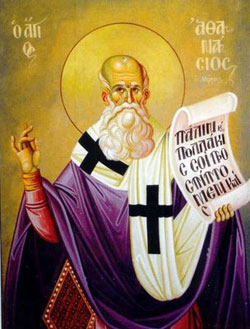 St. Athanasius: Saint of the Day for Thursday, May 02, 2024
 The Our Father: Prayer of the Day for Thursday, May 02, 2024


Copyright 2024 Catholic Online. All materials contained on this site, whether written, audible or visual are the exclusive property of Catholic Online and are protected under U.S. and International copyright laws, © Copyright 2024 Catholic Online. Any unauthorized use, without prior written consent of Catholic Online is strictly forbidden and prohibited.
Catholic Online is a Project of Your Catholic Voice Foundation, a Not-for-Profit Corporation. Your Catholic Voice Foundation has been granted a recognition of tax exemption under Section 501(c)(3) of the Internal Revenue Code. Federal Tax Identification Number: 81-0596847. Your gift is tax-deductible as allowed by law.
