Blessed Andrea Dotti
FREE Catholic Classes
Born 1256, in Borgo San Sepolero, Tuscany, Italy ; d. there 31 August, 1315. He was of noble parentage, being the brother of Count Dotto Dotti, made captain of the archers of the body-guard of Philip the Fair. Andrea grew up as many other noblemen of his time, but was ever distinguished for eminent piety as well as for courage in the field. In 1278 St. Philip Beniti delivered a sermon at the opening of the general chapter of his order in Borgo, and young Dotti was so struck by the eloquence and sanctity of the man that he at once asked to be admitted to the Servite Order. He was received by the General, and by reason of his piety and brilliant attainments was soon after ordained to the priesthood. His zeal manifested itself principally in preaching and penance. He filled various position of honour in the Order, converted Blessed Bartholomew, and by his charity and zeal won over to the Order a large number of hermits living at Vallucola. Many visions were vouchsafed him, and he worked a great many duly authenticated miracles. After long years of preaching, he retired into a hermitage and renewed his penances, and died there. He was buried in a church of his native town. Pius VII authorized his cult.



Join the Movement
When you sign up below, you don't just join an email list - you're joining an entire movement for Free world class Catholic education.


-

-
Mysteries of the Rosary
-
St. Faustina Kowalska
-
Litany of the Blessed Virgin Mary
-
Saint of the Day for Wednesday, Oct 4th, 2023
-
Popular Saints
-
St. Francis of Assisi
-
Bible
-
Female / Women Saints
-
7 Morning Prayers you need to get your day started with God
-
Litany of the Blessed Virgin Mary

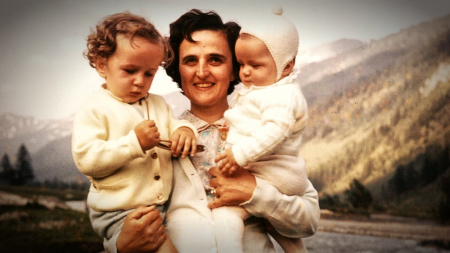
Sacrifices of Faith: The Pro-Life Legacies of St. Gianna and Jessica Hanna
-
How to love God by caring for our bodies
-
Pope Francis calls for negotiations to End Russia-Ukraine War
-
Pope Francis Contemplates Return to U.S. for United Nations Assembly Address
-
Pope Francis Calls on Faithful to Embrace Faith, Hope, and Charity in New Teaching Series


Daily Catholic
- Daily Readings for Sunday, April 28, 2024
- St. Peter Chanel: Saint of the Day for Sunday, April 28, 2024
- Prayer before a Crucifix: Prayer of the Day for Sunday, April 28, 2024
- Daily Readings for Saturday, April 27, 2024
- St. Zita: Saint of the Day for Saturday, April 27, 2024
- Prayer for the Dead # 2: Prayer of the Day for Saturday, April 27, 2024
 Daily Readings for Sunday, April 28, 2024
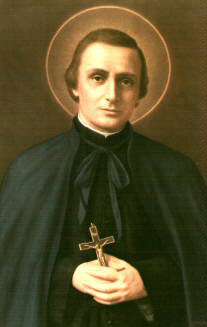 St. Peter Chanel: Saint of the Day for Sunday, April 28, 2024
 Prayer before a Crucifix: Prayer of the Day for Sunday, April 28, 2024


Copyright 2024 Catholic Online. All materials contained on this site, whether written, audible or visual are the exclusive property of Catholic Online and are protected under U.S. and International copyright laws, © Copyright 2024 Catholic Online. Any unauthorized use, without prior written consent of Catholic Online is strictly forbidden and prohibited.
Catholic Online is a Project of Your Catholic Voice Foundation, a Not-for-Profit Corporation. Your Catholic Voice Foundation has been granted a recognition of tax exemption under Section 501(c)(3) of the Internal Revenue Code. Federal Tax Identification Number: 81-0596847. Your gift is tax-deductible as allowed by law.
