Jacques-Denis Cochin
FREE Catholic Classes
A preacher and philanthropist, born in Paris, 1 January, 1726; died there 3 June, 1783. His father, Claude-Denis Cochin (d. 1786), was a famous botanist. Jacques-Denis followed a course of theological studies in the Sorbonne and was graduated with the degree of Doctor. In 1755 he was ordained priest. The next year he was given charge of the parish of Saint-Jacques-du-Haut-Pas. There he spent his whole life working for the material as well as the spiritual betterment of his people. He won great fame for the unction and strength of his preaching. His published works include: Four books of Sunday sermons (Paris, 1786-1808); "Exhortations on the Feasts, Fasts and Ceremonies of the Church" (Paris, 1778); "Retreat Exercises" (Paris, 1778); "Spiritual Writings", a posthumous work published by his brother (Paris, 1784). Cochin is noted especially for his philanthropy. The needs of his own parish suggested the foundation of a hospital. The idea, conceived in 1780, resulted in the completion of a building of which The Sisters of Charity took charge. The inscription on the building, Pauper clamavit et Dominus exaudivit eum , is an index of Cochin's intentions. He devoted his whole fortune to the work. The hospital was inaugurated with thirty-eight beds; today the number is nearly four hundred. It was originally called Hopital Saint-Jacques. In 1801 the General Council of the Paris hospitals gave it the name of its charitable founder, which it still preserves.



Join the Movement
When you sign up below, you don't just join an email list - you're joining an entire movement for Free world class Catholic education.


-

-
Mysteries of the Rosary
-
St. Faustina Kowalska
-
Litany of the Blessed Virgin Mary
-
Saint of the Day for Wednesday, Oct 4th, 2023
-
Popular Saints
-
St. Francis of Assisi
-
Bible
-
Female / Women Saints
-
7 Morning Prayers you need to get your day started with God
-
Litany of the Blessed Virgin Mary

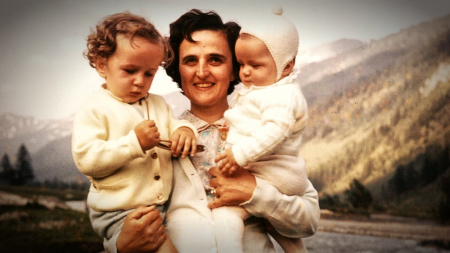
Sacrifices of Faith: The Pro-Life Legacies of St. Gianna and Jessica Hanna
-
How to love God by caring for our bodies
-
Pope Francis calls for negotiations to End Russia-Ukraine War
-
Pope Francis Contemplates Return to U.S. for United Nations Assembly Address
-
Pope Francis Calls on Faithful to Embrace Faith, Hope, and Charity in New Teaching Series


Daily Catholic
- Daily Readings for Sunday, April 28, 2024
- St. Peter Chanel: Saint of the Day for Sunday, April 28, 2024
- Prayer before a Crucifix: Prayer of the Day for Sunday, April 28, 2024
- Daily Readings for Saturday, April 27, 2024
- St. Zita: Saint of the Day for Saturday, April 27, 2024
- Prayer for the Dead # 2: Prayer of the Day for Saturday, April 27, 2024
 Daily Readings for Sunday, April 28, 2024
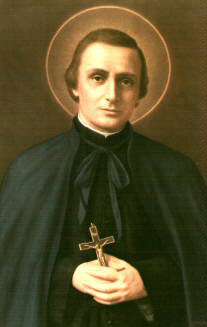 St. Peter Chanel: Saint of the Day for Sunday, April 28, 2024
 Prayer before a Crucifix: Prayer of the Day for Sunday, April 28, 2024
 Hi readers, it seems you use Catholic Online a lot; that's great! It's a little awkward to ask, but we need your help. If you have already donated, we sincerely thank you. We're not salespeople, but we depend on donations averaging $14.76 and fewer than 1% of readers give. If you donate just $5.00, the price of your coffee, Catholic Online School could keep thriving. Thank you. Help Now >


Copyright 2024 Catholic Online. All materials contained on this site, whether written, audible or visual are the exclusive property of Catholic Online and are protected under U.S. and International copyright laws, © Copyright 2024 Catholic Online. Any unauthorized use, without prior written consent of Catholic Online is strictly forbidden and prohibited.
Catholic Online is a Project of Your Catholic Voice Foundation, a Not-for-Profit Corporation. Your Catholic Voice Foundation has been granted a recognition of tax exemption under Section 501(c)(3) of the Internal Revenue Code. Federal Tax Identification Number: 81-0596847. Your gift is tax-deductible as allowed by law.