 Dear readers, Catholic Online was de-platformed by Shopify for our pro-life beliefs. They shut down our Catholic Online, Catholic Online School, Prayer Candles, and Catholic Online Learning Resources essential faith tools serving over 1.4 million students and millions of families worldwide. Our founders, now in their 70's, just gave their entire life savings to protect this mission. But fewer than 2% of readers donate. If everyone gave just $5, the cost of a coffee, we could rebuild stronger and keep Catholic education free for all. Stand with us in faith. Thank you. Help Now >
St. Paphnutius
Facts
Author and Publisher - Catholic Online
Printable Catholic Saints PDFs
Shop St. Paphnutius

The holy confessor Paphnutius was an Egyptian who, after having spent several years in the desert under the direction of the great St. Antony, was made bishop in the Upper Thebaid. He was one of those confessors who under the Emperor Maximinus lost the right eye, were hamstrung in one leg, and were afterwards sent to work in the mines. Peace being restored to the Church, Paphnutius returned to his flock, bearing all the rest of his life the glorious marks of his sufferings for the name of his Crucified Master. He was one of the most zealous in defending the Catholic faith against the Arian heresy and for his holiness. As one who had confessed the Faith before persecutors and under torments, he was an outstanding figure of the first General Council of the Church, held at Nicaea in the year 325. Paphnutius, a man who had observed the strictest continence all his life, is said to have distinguished himself at the Council by his opposition to clerical celibacy. Paphnutius said that it was enough to conform to the ancient tradition of the Church, which forbade the clergy marrying after their ordination. To this day it is the law of the Eastern Churches, whether Catholic or dissident, that married men may receive all Holy Orders below the episcopate, and continue to live freely with their wives. St. Paphnutius is sometimes called "the Great" to distinguish him from other saints of the same name; the year of his death is not known. His feast day is September 11.

Join the Movement
When you sign up below, you don't just join an email list - you're joining an entire movement for Free world class Catholic education.
-

- Easter / Lent
- Ascension Day
- 7 Morning Prayers
- Mysteries of the Rosary
- Litany of the Bl. Virgin Mary
- Popular Saints
- Popular Prayers
- Female Saints
- Saint Feast Days by Month
- Stations of the Cross
- St. Francis of Assisi
- St. Michael the Archangel
- The Apostles' Creed
- Unfailing Prayer to St. Anthony
- Pray the Rosary


Catholic Online News Declares War on Lies – A 2,000-Year-Old Force for Truth Enters the Global News Arena

How to Build a Nuclear Bomb: Start to Strike

Saint Anthony of Padua: The Miracle-Worker Who Brings Us Back to Christ
Daily Catholic
- Daily Readings for Sunday, June 15, 2025
- St. Germaine Cousin: Saint of the Day for Sunday, June 15, 2025
- Prayer for God's Blessing of One's Daily Work: Prayer of the Day for Sunday, June 15, 2025
- Daily Readings for Saturday, June 14, 2025
- St. Methodius I: Saint of the Day for Saturday, June 14, 2025
- Prayer for America: Prayer of the Day for Saturday, June 14, 2025
 Daily Readings for Sunday, June 15, 2025
 St. Germaine Cousin: Saint of the Day for Sunday, June 15, 2025
 Prayer for God's Blessing of One's Daily Work: Prayer of the Day for Sunday, June 15, 2025
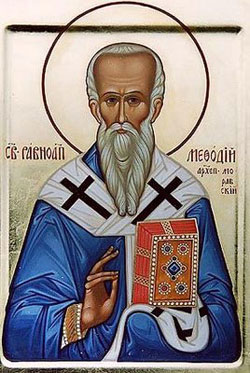 St. Methodius I: Saint of the Day for Saturday, June 14, 2025


Copyright 2025 Catholic Online. All materials contained on this site, whether written, audible or visual are the exclusive property of Catholic Online and are protected under U.S. and International copyright laws, © Copyright 2025 Catholic Online. Any unauthorized use, without prior written consent of Catholic Online is strictly forbidden and prohibited.
Catholic Online is a Project of Your Catholic Voice Foundation, a Not-for-Profit Corporation. Your Catholic Voice Foundation has been granted a recognition of tax exemption under Section 501(c)(3) of the Internal Revenue Code. Federal Tax Identification Number: 81-0596847. Your gift is tax-deductible as allowed by law.