St. Pope John Paul II
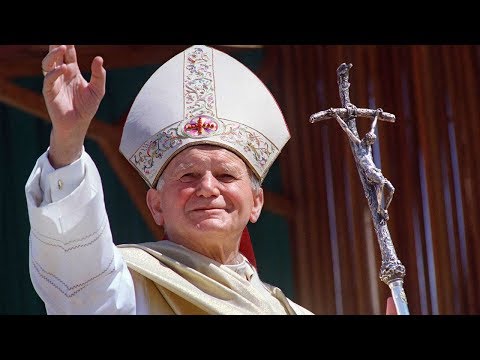

Facts
Patron: of World Youth Day (Co- Patron)
Birth: 1920
Death: 2005
Beatified: May 1, 2011 Saint Peter's Square, Vatican City by Pope Benedict XVI
Canonized: April 27, 2014 Saint Peter's Square, Vatican City by Pope Francis
Author and Publisher - Catholic Online
Printable Catholic Saints PDFs
Shop St. Pope John Paul II
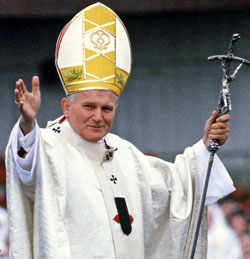
Karol J. Wojtyla, known as John Paul II since his October 1978 election to the papacy, was born in Wadowice, a small city 50 kilometres from Cracow, on May 18, 1920. He was the second of two sons born to Karol Wojtyla and Emilia Kaczorowska. His mother died in 1929. His eldest brother Edmund, a doctor, died in 1932 and his father, a non-commissioned army officer died in 1941.
He made his First Holy Communion at age 9 and was confirmed at 18. Upon graduation from Marcin Wadowita high school in Wadowice, he enrolled in Cracow's Jagiellonian University in 1938 and in a school for drama.
The Nazi occupation forces closed the university in 1939 and young Karol had to work in a quarry (1940-1944) and then in the Solvay chemical factory to earn his living and to avoid being deported to Germany.
In 1942, aware of his call to the priesthood, he began courses in the clandestine seminary of Cracow, run by Cardinal Adam Stefan Sapieha, archbishop of Cracow. At the same time, Karol Wojtyla was one of the pioneers of the "Rhapsodic Theatre," also clandestine.
After the Second World War, he continued his studies in the major seminary of Cracow, once it had re-opened, and in the faculty of theology of the Jagiellonian University, until his priestly ordination in Cracow on November 1, 1946.
Soon after, Cardinal Sapieha sent him to Rome where he worked under the guidance of the French Dominican, Garrigou-Lagrange. He finished his doctorate in theology in 1948 with a thesis on the topic of faith in the works of St. John of the Cross. At that time, during his vacations, he exercised his pastoral ministry among the Polish immigrants of France, Belgium and Holland.
Saint John Paul II Biography
Karol J. Wojtyla, known as John Paul II since his October 1978 election to the papacy, was born in Wadowice, a small city 50 kilometres from Cracow, on May 18, 1920. He was the second of two sons born to Karol Wojtyla and Emilia Kaczorowska. His mother died in 1929. His eldest brother Edmund, a doctor, died in 1932 and his father, a non-commissioned army officer died in 1941.
 He made his First Holy Communion at age 9 and was confirmed at 18. Upon graduation from Marcin Wadowita high school in Wadowice, he enrolled in Cracow's Jagiellonian University in 1938 and in a school for drama.
The Nazi occupation forces closed the university in 1939 and young Karol had to work in a quarry (1940-1944) and then in the Solvay chemical factory to earn his living and to avoid being deported to Germany.
In 1942, aware of his call to the priesthood, he began courses in the clandestine seminary of Cracow, run by Cardinal Adam Stefan Sapieha, archbishop of Cracow. At the same time, Karol Wojtyla was one of the pioneers of the "Rhapsodic Theatre," also clandestine.
After the Second World War, he continued his studies in the major seminary of Cracow, once it had re-opened, and in the faculty of theology of the Jagiellonian University, until his priestly ordination in Cracow on November 1, 1946.
Soon after, Cardinal Sapieha sent him to Rome where he worked under the guidance of the French Dominican, Garrigou-Lagrange. He finished his doctorate in theology in 1948 with a thesis on the topic of faith in the works of St. John of the Cross. At that time, during his vacations, he exercised his pastoral ministry among the Polish immigrants of France, Belgium and Holland.
In 1948 he returned to Poland and was vicar of various parishes in Cracow as well as chaplain for the university students until 1951, when he took up again his studies on philosophy and theology. In 1953 he defended his habilitation thesis on "evaluation of the possibility of founding a Christian ethic on the ethical system of Max Scheler" at the Faculty of Theology of Jagiellonian University (It was the last habilitation before closing the Faculty by comunist goverment).
Later he became professor of moral philosophy and social ethics in the major seminary of Cracow and in the Faculty of philosophy at the Catholic University of Lubin (where he became the Director of the Chair of Ethic, and lectured for 25 years until his election for the Pope in 1978).
On July 4, 1958, he was appointed Auxiliary Bishop of Cracow by Pope Pius XII, and was consecrated September 28, 1958, in Wawel Cathedral, Cracow, by Archbishop Baziak.
On January 13, 1964, he was nominated Archbishop of Cracow by Pope Paul VI, who made him a cardinal June 26, 1967.
Besides taking part in Vatican Council II with an important contribution to the elaboration of the Constitution Gaudium et spes, Cardinal Wojtyla participated in all the assemblies of the Synod of Bishops.
Since the start of his Pontificate on October 16, 1978, Pope John Paul II has completed 95 pastoral visits outside of Italy and 142 within Italy . As Bishop of Rome he has visited 301 of the 334 parishes.
His principal documents include 14 encyclicals , 13 apostolic exhortations , 11 apostolic constitutions and 42 apostolic letters. The Pope has also published three books : "Crossing the Threshold of Hope" (October 1994); "Gift and Mystery: On the 50th Anniversary of My Priestly Ordination" (November 1996) and "Roman Tryptych - Meditations", a book of poems (March 2003).
John Paul II has presided at 138 beatification ceremonies ( 1,310 Blesseds proclaimed ) and 48 canonization ceremonies ( 469 Saints ) during his pontificate. He has held 8 consistories in which he created 201 cardinals . He has also convened six plenary meetings of the College of Cardinals.
From 1978 to today the Holy Father has presided at 15 Synods of Bishops : six ordinary (1980, 1983, 1987, 1990, 1994, 2001), one extraordinary (1985) and eight special (1980, 1991, 1994, 1995, 1997, 1998[2] and 1999).
No other Pope has encountered so many individuals like John Paul II: to date, more than 16,700,000 pilgrims have participated in the General Audiences held on Wednesdays (more than 1,000). Such figure is without counting all other special audiences and religious ceremonies held [more than 8 million pilgrims during the Great Jubilee of the Year 2000 alone] and the millions of faithful met during pastoral visits made in Italy and throughout the world. It must also be remembered the numerous government personalities encountered during 38 official visits and in the 690 audiences and meetings held with Heads of State , and even the 226 audiences and meetings with Prime Ministers.
Check out the Latest News on Saint Pope John Paul II Canonization »
The Young Karol Wojtyla
By Deacon Keith Fournier
The Birth of Karol Josef Wojtyla
On May 18, 1920, during the month traditionally dedicated to Mary the Mother of the Lord, one of her greatest treasures for the Church of her Son was born in the town of Wodowice, 35 miles southwest of Krakow Poland. The world would later receive him as Saint Pope John Paul II. His name was Karol (Polish for Karl or Charles) Josef Wojtyla. His hometown had about 10,000 residents, roughly 8,000 Catholics and 2,000 Jews. He was given a nickname by his friends, "Lolek."

The Baptism of Karol Josef Wojtyla
Karol was Baptized into Christ and His Church on June 20, 1920 by a Chaplain in the Polish Army, Fr. Franciszek Zak. Karol was the son of a Polish Army Lieutenant also named Karol, a tailor by trade. Karol's mother Emilia, was a schoolteacher. He had an older brother named Edmund and sister named Olga. His brother became a Doctor in the town of Bielsko. Sadly, his sister died before Karol was born.
A Friend of Consequence
The Wojtylas were faithful Catholics. They rejected the growing anti-Semiticism among some Poles in that troubled time. One of young Karol's friends was Jerzy Kluger. He later recalled playing soccer with Karol. The teams were divided between Catholics and Jews. However, given the disparity in numbers, he recounts that young Karol would volunteer to play on the Jewish team in order to make the game more competitive and even out the odds.
This friendship lasted for a lifetime. Jerzy later participated in the dialogue which led to the extension of the Vatican's diplomatic recognition of the State of Israel. A special love for the Jewish people took root in young Karol. It was demonstrated dramatically during his Papacy when he visited the Central Synagogue of Rome and condemned anti-Semitism "at any time and by anyone." It was prophetically proclaimed in actions upon his visit to Auschwitz to honor the victims of the Holocaust. He was fond of regularly referring to the Jewish people as "our elder brothers" and taught the whole Church to do the same.

Karol Loses His Mother
Young Karol lost his mother a month before his ninth birthday. She died of heart and kidney problems. When he was only 12 years old his brother the Doctor died of scarlet fever. A childhood friend named Szczepan Mogielnicki told one news source that "he lost his childhood at 12, when he lost his brother... There was no youthful folly in him. Even when he played sports, he was very concentrated, but of course, he had a lot of passion. He was a very noble person, and he expressed things in a very noble way, but there was no folly." Father Karol and son Karol lived in a one room apartment behind the parish church.
Karol: The Father and the Son
The elder Karol sewed his sons clothing and watched over his studies. He taught him to be self disciplined and to work hard. He was deeply devoted to raising the son he loved. Another friend recalls entering the small apartment and finding father and son playing soccer with a ball made of rags. Karol credited his Catholic faith to the influence of his beloved father. The Church was a vital part of their life as a family. He made his First Holy Communion at age 9, they practiced their Catholic faith in the home and Karol was confirmed at 18. Upon graduation from Marcin Wadowita high school in Wadowice, he enrolled in Krakow's Jagiellonian University in 1938 and in a school for drama.

Seeds of the Priestly Vocation and Response to the Call
Karol the Actor, Poet and Pilgrim
During his early schooling young Karol Wojtyla participated in his first theatrical performances. His lifelong love for the theater and all of the arts was born. He began writing poetry. He performed in his first student theatrical productions. He began the study of Greek, was elected president of the Sodality of Mary, and made his first pilgrimage to Czestochowa, home of the Image of Our Lady of Czestochowa.
A Cardinal's Inquiry
It was also during this time that he impressed Adam Cardinal Sapieha, the Archbishop of Krakow. According to his friend Fr. Mieczyslaw Malinski, Karol's skill as a speaker caught the Archbishops attention when he visited the young man's school. Karol had been chosen to give the welcoming speech - and he did so with great skill. The Archbishop asked the pastor of the parish whether young Karol had considered the priesthood. He was told that Karol had his heart set on pursuing an acting career in the theatre.

Seeds Planted in the Heart
In 1987, Saint Pope John Paul II shared these thoughts with young people in Los Angeles, "I am often asked, especially by young people, why I became a priest. Maybe some of you would like to ask the same question. Let me try briefly to reply. I must begin by saying that it is impossible to explain entirely. For it remains a mystery, even to myself. How does one explain the ways of God? Yet, I know that, at a certain point in my life, I became convinced that Christ was saying to me what he had said to thousands before me: 'Come, follow me!'
"There was a clear sense that what I heard in my heart was no human voice, nor was it just an idea of my own. Christ was calling me to serve him as a priest. And you can probably tell that I am deeply grateful to God for my vocation to the priesthood. Nothing means more to me or gives me greater joy that to celebrate Mass each day and to serve God's people in the Church. That has been true ever since the day of my ordination as a priest. Nothing has ever changed this, not even becoming Pope."
Actor and Student of Philosophy
When Karol enrolled in Jagiellonian University in the fall of 1938 he first entered the school of philosophy. He also joined "Studio 38" an "experimental" theatre group where he continued acting. Events in Poland intervened in his life and interrupted his formal studies. However, nothing would interrupt his continued pursuit of learning. The troops of the National Socialists of Hitler's Germany invaded Poland in 1939. They quickly overtook the ill prepared Polish army.


The Nazi Aggressors
Among the many immediate acts of aggression undertaken by the Nazis was to close the University. Young Karol took a job in 1940 as a stone-cutter at a quarry in Zakrzowek, near Krakow. He later worked in the Solvay chemical factory to earn a living and avoid being deported to Germany. However, it was during those dark days that the seed of his priestly vocation was being watered and the light of his growing faith began to illuminate the path he would take in response to God's call.
A Friend is used by the Lord
During this time Karol Wojtyla came to know Jan Tryanowski, a young Catholic layman and youth leader at St. Stanislaus Kostka parish in the 1940s. That was Karol's university parish. During the Nazi occupation, priests were at a minimum. This young layman Jan had an extraordinary impact on Karol's life. He may have also contributed to the future Pope's lifelong conviction concerning the call of the lay faithful to fully participate in the mission of the Church. During his later participation in the Second Vatican Council and throughout his pontificate, he would be a champion of the universal call to holiness and the vital apostolate of the lay faithful.
This tailor Jan Tryanowski was a mystic, a man of deep prayer, who studied the writings of St John of the Cross and spirituality of St. Teresa of Avila with great intensity. Initially, young Karol was not all that impressed with Tryanowski. However, the Holy Spirit was unfolding a plan in young Karol's life. He became increasingly drawn to the tailor's interior life of prayer and deep real world aith. Tryanowski became a mentor to Karol. His influence helped to set the future Pope on a path which not only changed him but would change the whole world through him. Jan Tryanowski taught Karol about union with God and the call to abandon all to follow Jesus.

Now we call that tailor, the Servant of God Jan Tryanowski and his own cause for canonization is underway. Then, among his other youth outreaches, Tryanowski had formed a "Living Rosary" group. From that group many priestly and religious vocations emerged, including that of the young Karol Wojtyla. Years later Archbishop Karol Wojtyla wrote of the influence Jan Tyranowski had upon him:
"He was one of those unknown saints, hidden amid the others like a marvelous light at the bottom of life, at a depth where night usually reigns. He disclosed to me the riches of his inner life, of his mystical life. In his words, in his spirituality and in the example of a life given to God alone, he represented a new world that I did not yet know. I saw the beauty of a soul opened up by grace."
Seed Planted in Fertile Ground
In 1942, the seeds of his priestly vocation had taken deep root. Aware of his call to the priesthood, Karol Wojtyla made the choice to began courses in the underground seminary of Krakow. It was being run by Cardinal Adam Stefan Sapieha, the Archbishop of Krakow. However, Karol continued his acting, writing, and poetry. He became one of the pioneers of the "Rhapsodic Theatre". It, like seminary formation, was also forced underground by the Nazi occupation. This connection between the beauty of the Arts and the Christian vocation became a continuing theme of Karol Wojtyla. In one of his least known Papal letters entitled a "Letter to Artists" Saint Pope John Paul would write of "vocation" of artists to create "Epiphanies of Beauty."
Karol the Seminarian
After the Second World War the seminarian Karol Wojtyla entered the re-opened major seminary in Krakow. He also enrolled once again at Jagiellonian University to study theology. He was ordained to the diaconate and then to the priesthood by Archbishop Sapieha in Krakow on November 1, 1946. His intelligence and aptitude for further study became clear to the Archbishop, by then elevated to Cardinal. He sent Fr Karol Wojtyla to Rome to study and work under one of the great scholars and spiritual writers of the Church, the French Dominican, Fr. Garrigou-Lagrange.
The Student who became a Professor; the Pastor who became a Bishop
By Deacon Keith Fournier
Fr. Karol, Graduate Student

Fr. Karol Wojtyla first entered into graduate studies at the Pontifical University of St. Thomas Aquinas (Angelicum) in Rome. His intelligence was one of the many gifts, both natural and spiritual, which he offered to the Lord. While a student, he roomed with Fr. Starowieyski, another Polish priest at the Pontifical Belgian College, with whom he became friends. In 1947, he received his STL (License) which, in the European University system, is an absolute requirement to teach. That summer the two traveled to France, Belgium and Holland. In the area of Charleroi he carried out his pastoral activities with the Polish workers. Then, under the oversight of Fr. Reginald Garrigou-Lagrange, OP, he began his studies toward a Doctorate.
The influence of Jan Tryanowski was still bearing fruit in the life and thought of Fr. Karol Wojtyla. He sought approval for a dissertation topic "The Problem of Faith in the Works of St. John of the Cross." He wrote the dissertation and successfully defended it. He later earned a master's degree in theology at the Jagiellonian University in Krakow's well as a doctorate in sacred theology in the Faculty of Theology at the Jagiellonian Universiity. He was called to Krakow to be an assistant pastor at St. Florian's in Krakow and serve as a chaplain to university students and health workers.
A Sabbatical of Preparation
In 1951 Archbishop Baziak who had replaced Cardinal Sapieha gave Fr Karol a sabbatical in order to enable him to qualify as a University Professor. For two years he worked on this further academic position successfully completed his examinations. He also had to write and defend another thesis in order to qualify for a university professorship. This he diligently pursued for the next two years.

His philosophical interests lay in the area of phenomenology and he focused on a philosopher named Max Scheler. He began to see the limitations of the approach. As a result, the seeds were planted in Fr Karol the scholar, student and professor to begin what would later become his own contribution to the field of philosophical ethics and the renewal of Catholic Moral theology. He began his teaching experiences by offering a class on social ethics to fourth year theology students in the seminary.
Fr. Karol Becomes a Professor
As time passed, Jagellonian University merged its theology program with the archdiocesan seminary. In effect, the entire faculty of the theology school was eliminated. So Fr. Karol Wojtyla accepted what was originally a non-tenured professorship at the Catholic University of Lublin. In 1956 he was appointed to a Chair in Ethics and the next year he was approved as a full lecturer. For the next twenty years he taught and developed his thought in the field of Ethics and moral Theology.
From Priest to Bishop
In 1958 Fr Karol Wojtyla was called to another assignment in his continuing response to the vocation the Lord had given him. He was ordained to the fullness of Holy Orders and received his first Episcopal assignment as an auxiliary Bishop to assist Archbishop Eugeniusz Baziak of Krakow. His enormous gifts of both teaching and pastoral care continued to be offered to the Church of Poland. Bishop Karol Wojtyla taught at University and provided pastoral care to students.
Bishop Wojtyla Writes His First Book
Though he had already published many articles in areas of both philosophical and theological interest in his academic studies and early University research and teaching, it was during this period of time that he wrote his first major book entitled "Love and Responsibility." In it, the seeds of his rich understanding of the nature of the human person, created in the Image of God and called to love, began to form and be articulated. In addition his practical pastoral experience drew even more fully into consideration of the nature of human love in the Divine Plan.
Bishop, Cardinal, Contributor to the
Second Vatican Council and significant Church Leader
By Deacon Keith Fournier
Invited to Historic Vatican II Council
On October 5, 1962 Bishop Karol Wojtyla joined Bishops from around the world as the Second Vatican Council was convened in Rome. He attended every one of the sessions, contributing significantly and being deeply formed as well as changed by the experience. During this time of the Council, his life as a Bishop of the Church underwent a significant development. Archbishop Baziak of Krakow died and after the first session of the Council, Bishop Wojtyla was again called to say "yes" to the invitation of the Lord speaking through His Church.

Pope John XXIII appointed Bishop Wojtyla to become Bishop of Krakow. At the time of the appointment, his beloved Poland was under the oppression of another inhuman ideology, atheistic communism. As a result, he was not officially appointed until 1964 by Pope Paul VI and was formally installed on March 8, 1964. This son of Poland who had studied for his ordination in an underground seminary during the infamous oppression of the Nazi's was to live and lead through another era marked by an ideology which failed to recognize God and, as a result, failed to defend the dignity of human persons created in His Image. He would later be elevated to the office Cardinal by the same Pope Paul VI on May 29, 1967.
Significant Contributor to Council Documents
During the three years of the Second Vatican Council, Bishop Karol Wojtyla played a significant role at the Council. He actively participated in the debates and assisted in the drafting of the decrees which were produced by the Council Fathers. Of particular note, the future Pope was a participant on the commission which drafted the Pastoral Constitution on the Church in the Modern World, Gaudium et Spes. The theological anthropology which emerged from that profound document would become one of the foundations of his extraordinary teaching magisterium when he assumed the chair of Peter many years later. He is known to have also contributed to the seminal Declaration on Religious Liberty, Dignitatis Humanae, and the Decree on the Instruments of Social Communications, Inter Mirifica.
Home to Poland to Implement the Council
After this historic Council, Bishop Karol Wojtyla returned to Poland to implement the teaching of the Council Fathers. He wrote one of the most significant books concerning the teaching of the Council entitled "Sources of Renewal" in 1972. It is the only book written by a Bishop who participated in the Council. In it one finds the seeds and themes which would later come to full flourishing as he wrote his encyclicals, apostolic letters and exhortations after being elected to the Chair of Peter.
Church Reformer
Among the many effects of the Second Vatican Council were structural reforms. Two of the institutions affected were the Synods of Bishops and the Conferences of Bishops. By then Karol Wojtyla had been named a Cardinal. He was elected to Vice-presidency of the Polish Bishops Conference. His courage was evident in the strong leadership he provided to the Church of Poland as she faced persecution under Communist Rule. Throughout the 1970's Karol Cardinal Wojtyla made significant contributions to the Bishops assemblies, serving in numerous leadership capacities. This Cardinal of Poland emerged as a courageous defender of the faith and an excellent theologian, helping to implement the reforms begun by the Second Vatican Council.
Seeds of the Council become Roots of a Magisterium
His papers and presentations continued to enrich the universal Church. The themes which would characterize his Papal magisterium sunk their roots deep and were watered by the wisdom he gained in providing pastoral care to the people of God in his beloved Poland. He was a light of truth throughout those turbulent years as he traveled to Rome for meetings. On August 11 -12, 1978, he traveled to Rome to attend the funeral of Pope Paul VI and the events which followed would mark another call from the Lord; one which would both surprise and change the whole world.
From Cardinal to Chair of Peter to Grain of Wheat
Deacon Keith Fournier
The Bishop Becomes a Prince of the Church
Karol Cardinal Wojtyla's was selected as a Cardinal by Pope Paul VI in 1967. In March of 1976, he was invited to give a Lenten retreat to the aging Pope. The talks became a book of deep spiritual insights and reflections entitled "Sign of Contradiction." He was chosen by the late Pope to be his representative to the International Eucharistic Congress held in the United States in July of 1976, the Nation's bicentennial. It would be the beginning of a deep and enduring friendship with the American people.

Champion of the Dignity of Life and Love
Cardinal Wojtyla had a deep conviction of the importance of Pope Paul VI's Encyclical Letter Humanae Vitae, On Human Life, published in 1968. It was about more than the regulation of birth and issues of contraception; it was about the dignity of the human person and human love in the Divine Plan. Sadly, the letter became a rallying point for some who chose to dissent. However, Karol Cardinal Wojtyla's work in theological anthropology, his development of a theology of marriage and family, and his Wednesday Catechetical Instructions (later compiled as "Human Love in the Divine Plan" and popularly called the "Theology of the Body") as Pope, clearly built upon this important Encyclical letter of Paul VI and have ensured its lasting effects.
From Cardinal to the Chair of Peter
The death of Pope Paul VI on August 6, 1978, the Feast of the Transfiguration, brought Cardinal Wojtyla to Rome where he participated in the Conclave which elected Cardinal Albino Luciani of Venice as Pope. The gentle smiling Pope took the name John Paul I to represent his commitment to continuity with the pontificates of both of his predecessors and the Council which they presided over. Sadly, 33 days later Pope John Paul I died in office. 1978 then became the year of three Popes. Karol Cardinal Wojtyla soon heard the Lord call him to an assignment he probably never expected when he studied for the priesthood in an underground seminary in Poland.
On October 16, 1978, the Cardinals gathered under the guidance of the Holy Spirit and chose Karol Cardinal Wojtyla as the 263rd successor to the Apostle Peter. He took the name John Paul II as his first teaching act, sending the signal of continuity. He stepped out on to the balcony in St. Peters Square and proclaimed: "Be Not Afraid! Open up, no; swing wide the gates to Christ. Open up to his saving power the confines of the State, open up economic and political systems, the vast empires of culture, civilization and development... Be not afraid!"
Pope John Paul II Begins his Service

Affirmed by many as one of the chief architects of the Second Vatican Council and its extraordinary document on the relationship of the Church to the "modern" world" (entitled "Joy and Hope" or "Gaudium et Spes" in Latin), this strong, passionate, charismatic priest and Bishop now occupied the chair of Peter. At a critical time in the history of both the Church and the world, he stepped forward like a lion, with a prophetic roar. He strode onto that platform with strength and vitality.
This mountain climbing Polish Pope was so filled with the love of God it was contagious. A talented and gifted "man of letters", a playwright, a philosopher, an intellectual giant, a poet, but more importantly, a genuine human being with a heart that embraced the whole world, like the Heart of the One whom he represents on earth. He truly has been the "Vicar of Christ", representing the Lord, the King of Kings, for so many millions throughout the world.
Pope of Freedom and Fidelity
Like a lion in Peter's chair, he consistently and tirelessly lived what he boldly proclaimed with great courage. Unafraid, he traversed the globe, proclaiming freedom to the captives and truth to the victims of failed false ideologies that had ravaged the people of the twentieth century, the bloodiest in all of human history. He has not stopped passionately re-presenting the classical, unchanging, Christian message with a prophetic urgency, profound clarity and contemporary relevance.
Prolific and Courageous
Communism, atheism, secularism, false humanisms... have now all been exposed in both their empty promises and the horrors that they unleashed in the wake of their false utopian claims. This Pope proclaimed that the "Redeemer of Man" (the title of his first encyclical letter), Jesus Christ, is the path to authentic personal, social and universal freedom! He authored more encyclical letters, apostolic exhortations, constitutions and letters than any Pope in the two thousand year history of the Christian Church. In these writings and so many allocutions, this marvelous man has given us a treasury to unpack for centuries.
Saint John Paul's Themes
He meticulously and brilliantly developed themes during his service to the Church and the world. Among them; "The Culture of Life", "The Civilization of Love", "The New Evangelization", "The New Springtime of world missions ", "The Universal Call to holiness"; "Christian Marriage and family life as a domestic church"; "A Spirituality of Communion"; "The Theology of the Body"; "The Common Good"; "The Unity of Life"; "The New Humanism"; "The New feminism and the Feminine Genius"; "The Two Lungs of East and West"; " Catholic Action", and a "New Advent" for all of humanity in Jesus Christ.
Saint John Paul's Magisterium
His writings were vast, 14 Encyclicals, 15 Apostolic Exhortations, 11 Apostolic Constitutions, 45 Apostolic Letters and five books, "Crossing the Threshold of Hope" (October 1994), "Gift and Mystery, on the fiftieth anniversary of my ordination as priest" (November 1996), "Roman Triptych" poetic meditations (March 2003), "Arise, Let us Be Going" (May 2004) and "Memory and Identity" (February 2005). He promulgated the Catechism of the Catholic Church. He reformed the Eastern and Western Codes of Canon Law. He was an extraordinary Pope on every front.

His magisterium set a framework for what is becoming under his successor, Pope Benedict XVI, a new missionary age. His teaching helped to bring about an authentic renewal of the Church. It also reasserted the mission of the Church to engage and transform human culture, including the arts, politics, the academy, and economic and political realm - because no area of human experience is "off-limits" to the influence of the Gospel and the Church. The Church is, in the words of the Fathers of the second Vatican Council, an "expert in humanity".
Saint John Paul the Evangelist
Saint Pope John Paul II called all men and women to the Redeemer, Jesus Christ. He reminded us that only in Jesus Christ can we discover the purpose and fulfillment of human life. He proclaimed that human existence itself is an invitation to communion with God and with one another. He told an age bent of "self fulfillment" that true human fulfillment only comes from giving ourselves in love to God and to one another. He called us to live a unity of life, wherein the implications of the Christian faith inform the entirety of life with no contradiction or separation.
An Apostle of Life
He confronted, exposed and opposed the "culture of death", wherein the human person is treated as an instrument to be used rather than an unrepeatable gift to be received. He proposed a different way, building a new "culture of life" where every human person, at every age and stage, is recognized as having an inviolable dignity and right to life, freedom and love.
A Promoter of Peace
He charted a path to peace and solidarity, proclaiming to the nations that we are all our brothers' keeper and that we owe an obligation in solidarity to one another and, most especially, to the poor in all of their manifestations. He wrote of authentic freedom as a freedom "for" and not just a freedom "from", a freedom that must be bounded by truth and lived in accordance with the moral understanding of our obligation to do what is right.
A Champion of Freedom
He exposed what he called in his Encyclical "The Gospel of Life" the "counterfeit notion of freedom" as a raw power over others. He countered the false notion of the autonomy of the individual as the measure of a "freedom" to do whatever one wants by insisting that the path to human flourishing is communion. He proclaimed a new and true humanism, reaffirming that we were created in the Image of God, made for communion. He insisted that through applying the treasury of the social teaching of the Catholic Church - in our relationships with one another, in our families, in our societies, our nations and in the global community - authentic justice and freedom can actually be achieved.

Entrusted for twenty six years with the most important role of service in the Church and the world, Saint Pope John Paul II was a prophetic Pope in both word and deed. From his first encyclical letter entitled "The Redeemer of Man" to his last, the "Church of the Eucharist", he proclaimed that the truth is, as he wrote in his profound Encyclical Letter on the Moral Life, a "splendor".
A Healer of Divisions
He called for reconciliation among separated Christians in "May They Be One" and a new model of full communion with the Church which is beginning to be implemented under Pope Benedict XVI with the creation of Anglican Ordinariates as an example. With deep love for the "Light of the East" he called Eastern and Western Christianity to rediscover their dependence upon one another in order that the entire Body of Christ might once again breathe with "two lungs" and present the whole Jesus Christ to a world that needs to be liberated. Again, his successor continues the effort with extraordinary promise.
A Man of Living Faith
The oft-repeated paragraph 22 from "Joy and Hope", one of Saint Pope John Paul's favorite, is a key to understanding his deep faith: "In reality, it is only in the mystery of the word made flesh that the mystery of man truly becomes clear. For Adam, was a type of him who was to come, Christ the lord, Christ the new Adam, in the very revelation of the mystery of the Father and of His love, fully reveals man to himself and brings to light his most high calling."
The Lion becomes a Lamb
He began his pontificate Lion roaring and ended it like a lamb. The once vibrant, strong Pope became frail, sick and physically weak. The giant of a man, who once climbed mountains, mounted the cross of human suffering and, in his frail frame, exercised the authority of his office from a unique chair, still the Chair of Peter, a wheel chair. How fitting for the champion of the weak, the disabled, the elderly, those who have no voice, was finally joined physically to them in order to show the world the truth of the beauty and dignity of every human life.
The Pope who revealed the love of God through years of emptying himself out for the Lord and His people showed us the beauty of a suffering endured in love and offered for others in his last days among us. With decreasing verbal eloquence because his lips stammered from the ravages of Parkinson's disease, he achieved something beyond words; he demonstrated the truth of the Christian message of love by revealing the God who came to suffer for us all in his beautiful silence.
A Seed of a New Springtime
Then he went home to the Father having become a seed of the "New Springtime" he proclaimed. The Lord proclaimed that "unless a grain of wheat fall to the ground..." and when this Pope's prophetic mission on earth was over he joined the Lion of the Tribe of Judah and the Lamb who was slain for our sins. On April 2, at 9.37 p.m., the Octave of Easter and the Vigil of Divine Mercy Sunday, he died, falling to the ground as a grain of wheat in imitation of the Lord whom He loved and served so well.
By Deacon Keith Fournier
From Blessed to Saint John Paul II
The beatification of Blessed John Paul II on the Feast of Divine Mercy, May 1, 2011 was announced by a decree which addressed the importance of the date chosen:
"Since the beginning of his pontificate, in 1978, John Paul II often spoke in his homilies of the mercy of God. This became the theme of his second encyclical, Dives in Misericordia, in 1980. He was aware that modern culture and its language do not have a place for mercy, treating it as something strange; they try to inscribe everything in the categories of justice and law. But this does not suffice, for it is not what the reality of God is about."
We had a saint in our midst; a man so filled with Jesus Christ that, like the Apostle Paul, he no longer lived but "Christ lived in him." (Galatians 2) Blessed John Paul was, and is, a messenger of mercy. The cry of the faithful on the day on which his body was processed through the streets of Rome, "Santo Subito" continues. In fact, it grows stronger. We seek his intercession and are inspired by the witness of his holy life and inspiring death. We share our stories of his continued work from heaven. The final step to his canonization is an attested second miracle.
A Virtual Exhibit Hall
On the morning of July 6, 2011 Pope Benedict XVI visited an exhibition dedicated to Blessed John Paul II, his friend and predecessor. The exhibition was offered in the Charlemagne Wing at the left colonnade of St. Peter's Square. There are many places springing up around the world dedicated to this wonderful treasure, this saint of the Lord. Catholic Online now offers this virtual exhibition place for stories, testimonies, photos, images, writings and tributes to the Blessed John Paul II as the cause for his canonization proceeds.
The Venerable Pope John Paul II, by Andre Durand
The Communion of Saints
In our creed we profess our belief in the "communion of saints." This ancient belief was explained in these beautiful words by the Fathers of the Second Vatican Council in their Dogmatic Constitution on the Church (Lumen Gentium): "Until the Lord shall come in His majesty, and all the angels with Him (266) and death being destroyed, all things are subject to Him, some of His disciples are exiles on earth, some having died are purified, and others are in glory beholding "clearly God Himself triune and one, as He is"; but all in various ways and degrees are in communion in the same charity of God and neighbor and all sing the same hymn of glory to our God. For all who are in Christ, having His Spirit, form one Church and cleave together in Him.
"Therefore the union of the wayfarers with the brethren who have gone to sleep in the peace of Christ is not in the least weakened or interrupted, but on the contrary, according to the perpetual faith of the Church, is strengthened by communication of spiritual goods. For by reason of the fact that those in heaven are more closely united with Christ, they establish the whole Church more firmly in holiness, lend nobility to the worship which the Church offers to God here on earth and in many ways contribute to its greater edification.
"For after they have been received into their heavenly home and are present to the Lord, through Him and with Him and in Him they do not cease to intercede with the Father for us, showing forth the merits which they won on earth through the one Mediator between God and man,(271) serving God in all things and filling up in their flesh those things which are lacking of the sufferings of Christ for His Body which is the Church. Thus by their brotherly interest our weakness is greatly strengthened."

The Saints: A Great Cloud of Witnesses
The saints are the great "cloud of witnesses" to which the author of the letter to the Hebrews referred. (Hebrews 12:1) The Apostle Paul reminded the Christians in Rome that nothing can separate us from the love of Christ, "For I am convinced that neither death, nor life, nor angels, nor principalities, nor present things, nor future things, nor powers, nor height, nor depth, nor any other creature will be able to separate us from the love of God in Christ Jesus our Lord." (Romans 8: 38, 39) The Church is a communion of those who live in Jesus Christ, a relationship from which we cannot be separated. Our relationship with one another does not end.
The ancient belief in the communion of saints is explained wonderfully in the Catechism of the Catholic Church. The Catechism offers copious references to the scriptural roots of the doctrine and the earliest teachings of the fathers and Councils of the Church affirming it. (CCC #946-962). In that section we also find two short quotes from Saints with whom we are all familiar. There are chosen from among a myriad of others in the Tradition. However, they bring this wonderful belief right down to our popular piety.
The first is found in the account of the death of St. Dominic; the words he spoke to the brothers who gathered around him: "Do not weep, for I shall be more useful to you after my death and I shall help you then more effectively than during my life." The second is taken from an account of the final conversation between St Therese of Lisieux and a friend: "I want to spend my heaven in doing good on earth." (CCC #956)
The Saints as Intercessors and Models
When we are in need we turn to one another for assistance through the prayer of intercession. Death does not separate us. That prayer continues. The Saints are our friends and our models. The process of canonization has evolved from the earliest centuries as a way of recognizing the heroic virtue of those who have gone on before us and are heroes to be emulated and intercessors with great efficacy and empathy. Clearly, Blessed John Paul II is numbered among them.
As the final step of the canonization process unfolds, the verification of an additional miracle (which, in the opinion of this deacon is beyond doubt) we offer this virtual place of pilgrimage, prayer and gathering along the road.
By Deacon Keith Fournier
Pope John Paul II Passes to the father
On April 2, 2005 at 9:37 p.m. Blessed Pope John Paul II died. In April of 2009 his successor, Pope Benedict XVI, told Pilgrims gathered in Rome "With you, I pray for the gift of beatification". That prayer has been answered. Friday, January 14, 2011 the Holy See released the "Decree for the Beatification of the Servant of God John Paul II" which can be read in its entirety here. http://www.radiovaticana.org/EN1/Articolo.asp?c=454138
A Prophetic Pronouncement

Sunday, January 16, 2011, Pope Benedict XVI, after praying the Angelus, Pope Benedict XVI announced "On 1 May I will have the joy of proclaiming the Blessed Pope John Paul II, my predecessor, as a blessed. The date chosen is very significant because it will, in fact, be the second Sunday of Easter which he himself dedicated to Divine Mercy and on the eve of which his earthly life came to an end…Those who knew him, those who respected and loved him cannot but share in the Church's joy at this event."
Blessed John Paul II
In the last ten centuries of Church history no Pope has beatified his predecessor. From the beginning of Pope Benedict's pontificate it has been clear that he has longed for this day. On April 3, 2011 at another Angelus, he told the faithful who had gathered "I remember him in prayer with affection as I think of you all. While we journey through Lent and prepare for the feast of Easter, we come with joy to the day when we will also venerate as a saint this great pope and witness of Christ, and rely even more on his intercession."
On April 9, 2011 Pope Benedict XVI attended a documentary film entitled "The Great Pope: Pilgrim in White", directed by the Polish director Jaropslaw Szmidt on the pontificate of Blessed Pope John Paul II. he noted, "This film ... sets out to faithfully render both the personality of the Pope and his tireless work throughout his long pontificate" and spoke of the "two pillars" of the life and ministry of his predecessor in office, "prayer and missionary zeal. John Paul II was a great scholar and great apostle of Christ. God chose him for the Chair of Peter and granted him long life in order that he might accompany the Church into the third millennium. By his example, he guided us all in this pilgrimage and continues to do so from above".

The choice of the Feast of Divine Mercy, May 1, 2011 for this beautification is intentionally chosen. Blessed Pope John Paul II had a deep devotion to his fellow Pole Sr. Faustina Kowalska and to the Divine Mercy devotion identified with her. In August 2002, in Lagiewniki, Poland where Sr. Faustina lived and died, John Paul II entrusted the entire world "to Divine Mercy, to the unlimited trust in God the Merciful."
The Decree of Beatification notes, "Since the beginning of his pontificate, in 1978, John Paul II often spoke in his homilies of the mercy of God. This became the theme of his second encyclical, Dives in Misericordia, in 1980. He was aware that modern culture and its language do not have a place for mercy, treating it as something strange; they try to inscribe everything in the categories of justice and law. But this does not suffice, for it is not what the reality of God is about."
Path to Sainthood
There is no doubt that we had a saint in our midst. A man so filled with Jesus Christ that, like the Apostle Paul, he no longer lived but "Christ lived in him." (Galatians 2) The sentiment of the faithful expressed on the day on which his body was processed through the streets of Rome, "Santo Subito" has echoed as the Church has discerned the cause of his canonization. Now, he will be raised to the Altar on the Feast of Divine Mercy and the faithful will call him "Blessed John Paul II."
Pope John Paul's first miracle occurred in 2006.
Sister Marie Simon-Pierre, a French nun and member of the Congregation of Little Sisters of Catholic Maternity Wards was confined to her bed by Parkinson's disease. It was reported that she was completely cured of the disease after members of her community prayed for the intercession of Pope John Paul II.In May of 2008 she was once again continuing her good works at a maternity ward again. "I was sick and now I am cured," she told reporter Gerry Shaw.
Pope John Paul's second miracle occurred in 2011. A Costa Rican woman, Floribeth Mora, who was suffering from a terminal brain aneurism, was healed with no known natural (medical) cause, on the date of John Paul's beatification.
A panel of expert theologians from the Vatican examined the evidence and determined that it was directly attributable to the intercession of John Paul.
Two other potential miracles are thought to have occurred due to the direct intercession of Pope John Paul II.
On the fourth anniversary of the Pope's death, a Polish boy who had suffered from kidney cancer and was completely unable to walk, was visiting the tomb with his parents. Upon leaving St. Peter's Basilica he told his parents he wanted to walk, and then began to walk normally.
The other miracle attributed to Pope John Paul is the miraculous curing of Marco Fidel Rojas, the mayor of Huila, Colombia who was suffering from Parkinsons. His doctor has authenticated his cure.
Pope Francis confirmed his approval of the canonization of John Paul II on July 4, 2013, formally recognizing the second miracle attributed to his intercession. He was canonized alongside the Blessed John XXIII on April 27, 2014, Divine Mercy Sunday, in St. Peter's Square at the Vatican in Rome. The Canonization Mass was celebrated by Pope Francis and Pope Emeritus Benedict XVI.
I. DEFINITION
During the Roman imperial epoch the term consistorium (Lat. con-sistere, to stand together) was used to designate the sacred council of the emperors. In time it came to designate the senate of the Roman pontiff, that is, "the assemblage of the Cardinals in council around the Pope" (Innocent III to the Bishop of Ely and the Archdeacon of Norwich, in 1212; see Gonzalez, "Commentaria in textus decretalium Gregorii IX", III, vii, 108).
II. ORIGIN AND HISTORICAL DEVELOPMENT
The origin of the papal consistory is closely connected with the history of the Roman presbytery or body of the Roman clergy. In the old Roman presbyterium there were deacons, in charge of the ecclesiastical temporalities in the various regions of Rome; priests, at the head of the principal churches of the city, called tituli; and (at least by the eighth century) the bishops of the dioceses in the neighborhood of Rome. The cardinals of today (divided likewise into the three orders of bishops, priests, and deacons) have succeeded the members of the ancient presbytery not only in the offices attaching to these three grades, though with somewhat different functions, but also, and chiefly, in the capacity of assisting the pope in the management of ecclesiastical affairs.
From the earliest Christian times the popes were wont to confer with the Roman presbytery on matters affecting the interests of the Church. From a letter of Pope Cornelius (254-255) to St. Cyprian we learn that he had summoned his presbytery before agreeing to the reconciliation of three schismatics. Likewise, Pope Liberius (352-363) informed the Roman clergy about the course of action he had deemed advisable to take during his exile. Pope Siricius (384-398) condemned the heresy of Jovinian after having convoked his presbytery. How far the more prominent members of the Roman clergy, eventually called cardinals, were being gradually entrusted with the management of ecclesiastical affairs is shown by the action of Leo IV and John VIII in the ninth century. The former ordered that the Roman cardinals should meet twice a week in the Sacred Palace to provide for the administration of the churches, look after the discipline of the clergy, and decide the cases of laymen. The latter ordered them to meet at least twice a month in order to take cognizance of and decide cases of clerics and laymen brought before the pope's tribunal. For many centuries, however, the Roman presbytery did not form the senate of the popes to the exclusion of all other clerics, at least in matters of greater importance. These matters were discussed and decided in the Roman council, which, though admitting the Roman clergy to an active part, consisted chiefly of bishops summoned by the pope from the greater part of Italy, as well as of other bishops who happened to be in Rome at the time. These councils were very frequent until the beginning of the twelfth century. Thenceforth, the popes held them more rarely finding it difficult to convoke them as often as the ever increasing volume of business demanded. In their stead the popes transacted the affairs brought before their court in the presence and with the assistance of the Roman cardinals, who about the same time had grown in dignity and importance, owing to the fact that the right o electing the pope now rested in them exclusively. Thus the Sacred College of Cardinals, assembled in consistory, became the chief organ of the supreme and universal government of the Church.
At first, matters of judicial as well as of administrative character were referred to the consistory. In course of time, however, the former were transferred to the Tribunal of the Sacred Rota. The "Corpus Juris" contains many of the decisions given by the popes in consistory, as is evidenced by the frequent formula de fratrun nostrorum consilio (with the advice of our brethren). The papal consistory has continued ever since to act as the supreme council of the popes, though it lost much of its importance when in the fifteenth and sixteenth centuries the Roman Congregations were instituted. The amount of business brought before the Holy See had gradually increased to such a vast extent that it had to be divided among several particular committees of cardinals. These committees were at first temporary but gradually became permanent, and to each of them a definite kind of ecclesiastical affairs was assigned. These permanent committees came to be known as congregations. The first of them was instituted by Paul III, others by Pius IV and Pius V, but most of them owe their origin to Sixtus V. Once the Roman Congregations, embracing in their scope almost the whole range of ecclesiastical affairs, were instituted, it was but natural that the papal consistory should lose in importance. However, it did not go into desuetude altogether; it continued to be held, but more rarely, and only in the form which me proceed to describe.
III. PRESENT PRACTICE
Consistories are of three kinds: secret or ordinary, public or extraordinary and semi-public.
(1) The secret consistory is so called because no one save the pope and the cardinals is present at its deliberations. Formerly it was customary for the pope, soon after entering the hall of consistory, to confer singly with the cardinals on such personal matters as they wished to bring before him, and it was only after this audience was over that nobles and prelates were excluded from the hall. But at the present day this audience is omitted. The consistory is frequently opened with an address, or allocution, in which the pope often reviews the condition of the Church in general or in some particular country, pointing out what deserves praise or needs to be condemned. Such allocutions are afterwards given to the public in order that the world at large may know the mind of the pope on these matters. At the end of the allocution the creation of new cardinals takes place. The pope announces the names of those whom he intends to raise to the cardinalate, and asks the cardinals for their opinion; the cardinals remove their caps as a sign of consent, and the pope proceeds immediately to the formal appointment. It is also in the secret consistory that the cardinals receive from the pope the cardinal's ring, are appointed to some titular church or deaconry, exercise the option of passing from one titular church to another, and of ascending from the order of deacons and priests to the order of priests and bishops respectively. It is also here that the pope appoints the camerlengo and the Vice-Chancellor of the Holy Roman Church, and performs the ceremony of "closing" and "opening" the mouth of the new cardinals. To this consistory belong also the appointments of bishops, archbishops, and patriarchs, the transfers of these dignitaries from one see to another, the appointments of coadjutors, the creation and announcement of new dioceses, the division and union of dioceses already existing. But the etails are not discussed in the consistory itself. All the previous consultations that are required in order that the pope may come to a prudent conclusion have taken place in a congregation called consistorial, and the pope in the consistory itself only gives his decision. There are some sees whose bishops are appointed through a Brief outside the consistory. Such are those in territories depending on the Sacred Congregation of Propaganda, and others as necessity may require. These appointments are merely promulgated in the secret consistory. At the end of the consistory the advocates called consistorial are admitted to request, with the usual formalities, the pallium for newly appointed archbishops; their petition is granted immediately, but the conferring of the pallium takes place later.
(2) The public consistory is so called because persons foreign to the Sacred College of Cardinals, such as Apostolic prothonotaries, the auditors of the Sacred Rota, and other prelates are called to it. Laymen also, who have made previous application, are permitted to be present. Formerly, in this consistory the pope used to give solemn reception to kings, princes, and ambassadors; but this is no longer the custom. In the public consistory the pope performs the ceremony of delivering the red hat to the newly created cardinals. Moreover, the consistorial advocates plead here the causes of beatification and canonization. These pleadings are of two kinds. In the first permission is asked that the ordinary process of beatification or canonization may be introduced, or continued, or brought to completion. The second has reference only to causes of canonization. For in accordance with the practice of the Holy See, even after it has been conclusively proved that the miracles required for canonization have been performed through the intercession of one declared blessed, the honours of a saint are not decreed to him, unless the question as to whether canonization should take place has been treated in three consistories: secret, public, and semi-public. In the secret consistory the pope asks the opinions of the cardinals, who express it singly by answering placet or non placet (aye or no). In the public consistory one of the consistorial advocates pleads the cause and a prelate answers in the pope's name, inviting all to pray in order that the pope may be enlightened on the subject. The final voting takes place in the semi-public consistory.
(3) The semi-public consistory is so called because, besides the cardinals, bishops also take part in it. To this consistory the bishops residing within one hundred miles of Rome are summoned, while invitations are sent to all the other bishops of Italy; moreover, titular patriarchs and archbishops and bishops who live in Rome, as well as bishops who happen to be sojourning there at the time, are likewise present. After all the Fathers have expressed their opinions on the subject, the pope closes the assembly with an address on the following canonization. With regard to the time for holding the consistories, the old practice of assembling them at fixed intervals has passed out of use and today they meet, as occasion demands, at the pope's wish.
The Vigil, 30 April, 2011 (Circus Maximus)
The celebration will be divided into two parts. The first part will be dedicated to remembering the words and actions of John Paul II. There shall then be a solemn procession during which the image of Maria Salus Populi Romani will be enthroned; this shall be accompanied by representatives of all the parishes and chaplaincies of the diocese. Privileged accounts will be given by Joaquin Navarro-Valls and Cardinal Stanislaw Dziwisz, both of whom worked closely with the Pope, and by Sr. Marie Simon-Pierre, whose miraculous recovery opened the way for the beatification process. This first part of the celebrations will be concluded with the hymn "Totus tuus," composed for the 50th anniversary of John Paul's priestly ordination.
The second part will focus on the celebration of the Luminous Mysteries of the Rosary, which were introduced by John Paul II. After the hymn "Open the doors to Christ", Cardinal Vallini will give an introduction summarizing the spiritual and pastoral character of John Paul II. The Rosary will then be recited, with a live connection to five Marian sanctuaries around the world. Each of the five Mysteries of the Rosary shall be linked to a prayer intention of importance to John Paul II. In the Sanctuary of Lagniewniki, Krakow, the prayer intention will take the theme of youth; in the Sanctuary of Kawekamo, Bugando, Tanzania, the family; in the Sanctuary of Our Lady of Lebanon, Harissa, evangelisation; in the Basilica of Sancta Maria de Guadalupe, Mexico City, hope and peace among peoples; and in the Sanctuary of Fatima, the Church.
To conclude the vigil, Benedict XVI shall recite the final oration and impart the apostolic blessing to all participants, in live transmission from the Apostolic Palace.
That night the following churches shall remain open for the oration: Sant' Agnese in Agone, Piazza Navona; San Marco al Campidoglio; Santa Anastasia; Santissimo Nome di Gesù all'Argentina; Santa Maria in Vallicella; San Giovanni dei Fiorentini; San Andrea della Valle; and San Bartolomeo all'Isola.
The Mass of Beatification, May 1, 2011, Sunday after Easter or of Divine Mercy (St. Peter's Square, officiated by the Holy Father).
The solemn liturgy of beatification shall be preceded by an hour of preparation during which the faithful shall pray together the Chaplet of Divine Mercy, a devotion introduced by Saint Mary Faustina Kowalska and dear to the Blessed John Paul II. The preparation will conclude with an Invocation to Mercy in the world, with the hymn "Jezu ufam tobie." This will be followed by Mass, with the texts for the Sunday after Easter. At the end of the rite of beatification, the unveiling of the tapestry depicting the newly Blessed shall be accompanied by the Hymn to the Blessed in Latin.
Mass of Thanksgiving, Monday May 2, 2011 (officiated by Cardinal Secretary of State Tarcisio Bertone, St. Peter's Square)
Mass on Monday 2 May shall be the first celebrated in honour of the newly Blessed John Paul II. The texts shall be those of the Mass of the Blessed John Paul II. Music during the celebrations shall be provided by the Choir of the Diocese of Rome, with the participation of the Choir of Warsaw and the Wadowice Symphony Orchestra, Poland.
Fr. Lombardi explained that in the evening of Friday 29 April the tomb of the Blessed Pope Innocent XI - currently in the Chapel of St. Sebastian in St. Peter's Basilica - shall be transferred to the Altar of Transfiguration, to make way for the body of John Paul II. That morning, the coffin of John Paul II - which shall not be opened - will be transferred before the tomb of St. Peter, in the Vatican grotto. On the morning of 1 May, it will be brought before the Altar of Confession in the Basilica.
Following the beatification ceremony, the Pope and the concelebrating cardinals will make their way to the Altar of Confession in the Basilica and will pray for a moment before the body of the newly Blessed. From that evening, those who wish to do so may venerate the remains of John Paul II.
Fr. Walter Insero shall present the new project, "Digital Sentinels," recalling the polish Pope's address to the young as "sentinels of the morning" on World Youth Day 2000 in Rome.
Through the already well-known portal "Pope2You," provided by the Pontifical Council for Social Communications, it will be possible to send digital postcards with phrases, in several languages, extracted from John Paul II's various addresses to young people. These postcards may be used as invitations to young people to come to Rome to celebrate the beatification of John Paul II. Furthermore, through this portal it will be possible to follow the scheduled celebrations (Vigil, beatification Mass, Mass of thanksgiving).
Check out the Latest News on Saint Pope John Paul II Canonization »
Life of Saint Pope John Paul II
-
Born in Wadowice (Krak?w), Poland.May 18, 1920
-
Baptized by the military chaplain P. Franciszek Zak.
Baptized into Christ and His Church by a Chaplain in the Polish Army, Fr. Franciszek Zak.Baptized by the military chaplain P. Franciszek Zak.June 20, 1920
-
Attended the elementary school for boys
Attended the elementary school for boys, and then the prep years of secondary school "Marcin Wadowita" in which during all his classes he achieved the top grades.Attended the elementary school for boysSeptember 15, 1926
-
His mother dies.
Death of his mother due to heart and kidney problems.His mother dies.April 13, 1929
-
First Holy Communion
First Holy CommunionFirst Holy CommunionOctober 1, 1929
-
Admitted to the State Secondary School for boys, "Marcin Wadowita".
Admitted to the State Secondary School for boys, "Marcin Wadowita".Admitted to the State Secondary School for boys, "Marcin Wadowita".June 1, 1930
-
His brother Edmund dies.
Loss of his childhood occurs with the death of his brother to scarlet fever.His brother Edmund dies.December 5, 1932
-
Participates in military training exercises at Hermanice.
Participates in military training exercises at Hermanice.Participates in military training exercises at Hermanice.September 1, 1935
-
Admitted into the Society of Mary.
Admitted into the Society of Mary.Admitted into the Society of Mary.December 14, 1935
-
Receives the Sacrament of Confirmation.
Receives the Sacrament of Confirmation.Receives the Sacrament of Confirmation.May 1, 1938
-
Enrolls in the Faculty of Philosophy (course of Polish Philosophy) at Jagellonian University, Krak?w.June 22, 1938
-
Young Karol and his father move to Krak?w (Via Tyniecka 10).August 1, 1938
-
University military training
University military training camp at Ozomla, near Sadowa Wiszna for Polish and Ukraine students.University military trainingJuly 1, 1939
-
Second World War begins.
Second World War begins.Second World War begins.September 1, 1939
-
Registers for the second year university courses in Literature and Philosophy.
Registers for the second year university courses in Literature and Philosophy.Registers for the second year university courses in Literature and Philosophy.November 2, 1939
-
His father dies.
His father dies.His father dies.February 18, 1941
-
Escaped Gestapo round by hiding in his uncle's basement.
Escaped Gestapo round by hiding in his uncle's basement.Escaped Gestapo round by hiding in his uncle's basement.August 6, 1944
-
The Russian Armed Forces free Krak?w from Nazi occupation.January 18, 1945
-
Ordained a priest.
Ordained a priest. As on the preceding occasions, he received Holy Orders from the hands of Archbishop Metropolitan Adam Sapieha in his private chapel.Ordained a priest.November 1, 1946
-
Celebrates his first Mass in the crypt of St. Leonard at Wavel.
Celebrates his first Mass in the crypt of St. Leonard at Wavel.Celebrates his first Mass in the crypt of St. Leonard at Wavel.November 2, 1946
-
Leaves Poland to begin studies in Rome.
Leaves Poland to begin studies in Rome.Leaves Poland to begin studies in Rome.November 15, 1946
-
Earns a master's degree in theology at the Jagellonian University in Krak?w (1942-1946). Earns a doctorate in sacred theology in the Faculty of Theology at the Jagellonian University with highest marks.December 16, 1948
-
Recalled to Krak?w to be assistant pastor at St. Florian's.August 5, 1949
-
Archbishop Baziak puts him on leave
Archbishop Baziak puts him on leave (until 1953) to complete his qualifying exams for a university position. Up until now he served as a chaplain to the university students (in St. Florian's) and for health workers.Archbishop Baziak puts him on leaveSeptember 1, 1951
-
Gives course in Catholic social ethics for Jagellonian University students
Gives a course in Catholic social ethics for the students of fourth year theology at the Jagellonian University.Gives course in Catholic social ethics for Jagellonian University studentsOctober 1, 1953
-
Completes qualifying exams with thesis on the "ethical system of Max Scheler".
Completes his qualifying exams by presenting his thesis on the "ethical system of Max Scheler".Completes qualifying exams with thesis on the "ethical system of Max Scheler".December 1, 1953
-
Faculty of Theology at the Jagellonian University abolished,
Faculty of Theology at the Jagellonian University abolished, this faculty is then organized at the Seminary of Krak?w where he continues his studies. Catholic University of Lublin offers him a non-tenured professorship which he accepts.Faculty of Theology at the Jagellonian University abolished,January 1, 1954
-
Appointed to the Chair of Ethics at the Catholic University of Lublin.
Appointed to the Chair of Ethics at the Catholic University of Lublin.Appointed to the Chair of Ethics at the Catholic University of Lublin.December 1, 1956
-
The Central Qualifying Committee approves his appointment as free docent.
The Central Qualifying Committee approves his appointment as free docent.The Central Qualifying Committee approves his appointment as free docent.November 15, 1957
-
Appointed Auxiliary Bishop to Archbishop Mons. Eugeniusz Baziak of Krak?w.July 4, 1958
-
Ordained Bishop in the Cathedral of Wavel.
Ordained Bishop in the Cathedral of Wavel.Ordained Bishop in the Cathedral of Wavel.September 28, 1958
-
After the death of Archbishop Baziak, named Vicar Capitular.
After the death of Archbishop Baziak, named Vicar Capitular.After the death of Archbishop Baziak, named Vicar Capitular.July 16, 1962
-
Participates in the II Session of the Second Vatican Council.
Participates in the II Session of the Second Vatican Council.Participates in the II Session of the Second Vatican Council.October 6, 1963
-
Designated Metropolitan Bishop of Krak?w.December 30, 1963
-
Archbishop Wojtyla is made President of Apostolate of the Laity
Episcopal Commission for the Apostolate of the Laity is established; Archbishop Wojtyla is made President.Archbishop Wojtyla is made President of Apostolate of the LaityDecember 29, 1966
-
Karol Wojtyla named Cardinal elect
Paul VI announces the next Consistory. Among the names of the new Cardinals elect is that of Karol Wojtyla.Karol Wojtyla named Cardinal electMay 29, 1967
-
Consecrated Cardinal in the Sistine Chapel, by Pope Paul VI
Consecrated Cardinal in the Sistine Chapel, by Pope Paul VI - titular S. Cesareo in Palatio.Consecrated Cardinal in the Sistine Chapel, by Pope Paul VIJune 26, 1967
-
Takes possession of the titular Church, S. Cesareo in Palatio, Rome.
Takes possession of the titular Church, S. Cesareo in Palatio, Rome.Takes possession of the titular Church, S. Cesareo in Palatio, Rome.February 18, 1968
-
Vice-President of the Episcopal Conference
Approval of the statutes of the Episcopal Conference; Cardinal Wojtyla is Vice-President of the Conference.Vice-President of the Episcopal ConferenceMarch 15, 1969
-
The Polish Theological Society publishes "The Acting Person"
The Polish Theological Society (PTT) of Krakow publishes "The Acting Person" (Osoba i cyzn).The Polish Theological Society publishes "The Acting Person"December 1, 1969
-
Is elected to the Council of the Secretary General of the Synod of Bishops.
Is elected to the Council of the Secretary General of the Synod of Bishops.Is elected to the Council of the Secretary General of the Synod of Bishops.October 5, 1971
-
Card. Wojtyla presides over the Polish delegation
Card. Wojtyla presides over the Polish delegation at the international conference in Rome for the preparations of the new Apostolic Constitution for Ecclesiastical Studies.Card. Wojtyla presides over the Polish delegationNovember 22, 1976
-
Receives a doctorate "honoris causa" from Johannes Guttenberg University
Receives a doctorate "honoris causa" from Johannes Guttenberg University, Mainz.Receives a doctorate "honoris causa" from Johannes Guttenberg UniversityJune 23, 1977
-
Present at the funeral of Paul VI.
Present at the funeral of Paul VI.Present at the funeral of Paul VI.August 11, 1978
-
John Paul I is elected Pope
John Paul I (Albino Luciani) is elected Pope.John Paul I is elected PopeAugust 26, 1978
-
Funeral of Pope John Paul I
Leaves for the funeral of Pope John Paul I.Funeral of Pope John Paul IOctober 3, 1978
-
Cardinal Karol Wojtyla is elected 264th Pope at approximately 5:15 p.m
Cardinal Karol Wojtyla is elected 264th Pope at approximately 5:15 p.m. He is the 263rd Successor of Peter.Cardinal Karol Wojtyla is elected 264th Pope at approximately 5:15 p.mOctober 16, 1978
-
Takes first trip abroad
Takes first trip abroad, to Dominican Republic, Mexico and the Bahamas.Takes first trip abroadJanuary 25, 1979
-
Pope says Mass at the site of the Birkenau concentration camp, Auschwitz
The pope says Mass at the site of the Birkenau concentration camp, the largest of 36 camps in a complex known collectively as Auschwitz.Pope says Mass at the site of the Birkenau concentration camp, AuschwitzJune 7, 1979
-
John Paul II visits the United States for the first time as pope.
John Paul II visits the United States for the first time as pope and addresses the United Nations General Assembly in New York.John Paul II visits the United States for the first time as pope.September 29, 1979
-
Pope is shot in the abdomen by a young Turk named Mehmet Ali Agca.
Pope John Paul II is shot in the abdomen and hand in St. Peter's Square and seriously wounded. Mehmet Ali Agca, a Turk, is arrested. The pope spends 22 days in a hospital.Pope is shot in the abdomen by a young Turk named Mehmet Ali Agca.May 13, 1981
-
Spanish priest lunges at the pope with a bayonet in Fatima, Portugal
A Spanish priest lunges at the pope with a bayonet during the first day of a papal trip to Fatima, Portugal. John Paul is unhurt.Spanish priest lunges at the pope with a bayonet in Fatima, PortugalMay 12, 1982
-
Calls for the heads of government to end to the arms race
Calls for the heads of government of the United States and the Soviet Union to negotiate an end to the arms race.Calls for the heads of government to end to the arms raceSeptember 29, 1983
-
Meets with and forgives his would-be assassin, Mehmet Ali Agca
The pope meets with and forgives his would-be assassin, Mehmet Ali Agca, in prison in Rome.Meets with and forgives his would-be assassin, Mehmet Ali AgcaDecember 27, 1983
-
The United States and the Vatican establish full diplomatic relations.
The United States and the Vatican establish full diplomatic relations.The United States and the Vatican establish full diplomatic relations.January 10, 1984
-
Historic visit to Rome's main synagogue
John Paul II prays at Rome's main synagogue, the first ever recorded visit of a pope to a synagogue.Historic visit to Rome's main synagogueApril 13, 1986
-
Official visit of U.S. President Ronald Reagan.
Official visit of U.S. President Ronald Reagan.Official visit of U.S. President Ronald Reagan.June 6, 1987
-
Official visit of U.S. President George H.W. Bush.
Official visit of U.S. President George H.W. Bush.Official visit of U.S. President George H.W. Bush.May 27, 1989
-
Receives Soviet President Mikhail Gorbachev at the Vatican
Receives Soviet President Mikhail Gorbachev at the Vatican in the first ever meeting between a pope and a Kremlin chief.Receives Soviet President Mikhail Gorbachev at the VaticanDecember 1, 1989
-
Issues first encyclical on social issues.
Issues first encyclical on social issues since the fall of communism in Europe, giving qualified approval to capitalism but warning rich against taking advantage of poor.Issues first encyclical on social issues.May 1, 1991
-
Agreement signed establishing formal diplomatic ties between Israel and Vatican.
Agreement signed establishing formal diplomatic ties between Israel and Vatican.
Agreement signed establishing formal diplomatic ties between Israel and Vatican.December 30, 1993 -
John Paul II reaffirms the church's opposition to female priests
John Paul II reaffirms the church's opposition to female priests in a letter to bishops, writing that the church "has no authority whatsoever to confer priestly ordination on women and that this judgment is to be definitively held by all the church's faithful."John Paul II reaffirms the church's opposition to female priestsMay 30, 1994
-
Publishes his book, Crossing the Threshold of Hope.
Publishes his book, Crossing the Threshold of Hope.Publishes his book, Crossing the Threshold of Hope.October 20, 1994
-
Issues encyclical "Gospel of Life," and condemns spreading "culture of death"
Issues encyclical "Gospel of Life," and condemns spreading "culture of death," including abortion, euthanasia, experimentation on human embryos. The statement comes in the 11th encyclical -- a special letter reserved for matters of extreme importance to the church -- of John Paul's papacy.Issues encyclical "Gospel of Life," and condemns spreading "culture of death"March 25, 1995
-
Meets with Cuban President Fidel Castro.
Meets with Cuban President Fidel Castro.Meets with Cuban President Fidel Castro.November 19, 1996
-
Vatican issues We Remember: A Reflection on the Shoah, or Holocaust
Vatican issues We Remember: A Reflection on the Shoah, or Holocaust, expressing remorse for the cowardice of some Christians during World War II but defending the actions of wartime Pope Pius XII.Vatican issues We Remember: A Reflection on the Shoah, or HolocaustMarch 16, 1998
-
Celebrates 20th anniversary as pope, asking for prayers to fulfill his mission
Celebrates 20th anniversary as pope, asking for prayers to fulfill his mission "until the end."Celebrates 20th anniversary as pope, asking for prayers to fulfill his missionOctober 18, 1998
-
Gives permission to start the cause of beatification for Mother Teresa of Calcutta.
Gives permission to start the cause of beatification for Mother Teresa of Calcutta.Gives permission to start the cause of beatification for Mother Teresa of Calcutta.March 1, 1999
-
Mehmet Ali Agca is granted clemency & extradited to Turkey
Mehmet Ali Agca, who attempted to assassinate John Paul II in 1981, is granted clemency by Italian President Carlo Ciampi, and extradited to his native Turkey.Mehmet Ali Agca is granted clemency & extradited to TurkeyJune 13, 2000
-
Receives U.S. President George W. Bush.
Receives U.S. President George W. Bush.Receives U.S. President George W. Bush.May 28, 2002
-
A top Vatican official confirms pope has Parkinson's disease.
A top Vatican official publicly acknowledges for the first time what observers have suspected for a decade -- that John Paul II suffers from Parkinson's disease. The pope had long showed signs of Parkingson's, including slurred speech and trembling.A top Vatican official confirms pope has Parkinson's disease.May 17, 2003
-
U.S. President George W. Bush awards pontiff the Medal of Freedom.
U.S. President George W. Bush awards pontiff the Medal of Freedom.U.S. President George W. Bush awards pontiff the Medal of Freedom.June 4, 2004
-
The pope breathes heavily and gasps during an open-air Mass in Lourdes, France
The pope breathes heavily and gasps during an open-air Mass in Lourdes, France, during one of just two foreign trips during the year.The pope breathes heavily and gasps during an open-air Mass in Lourdes, FranceAugust 15, 2004
-
Rushed to a hospital in Rome with flu and difficulties breathing.
Rushed to a hospital in Rome with flu and difficulties breathing.Rushed to a hospital in Rome with flu and difficulties breathing.February 1, 2005
-
Returns to hospital after a relapse of the flu; undergoes a tracheotomy
Returns to hospital after a relapse of the flu; undergoes a tracheotomy to ease his breathing.Returns to hospital after a relapse of the flu; undergoes a tracheotomyFebruary 24, 2005
-
Vatican announces John Paul II has a high fever as a result of urinary tract infection
The Vatican announces that John Paul II has a high fever as a result of a urinary tract infection. He later suffers septic shock, meaning that bacteria had spread from his urinary tract to his blood, poisoning his blood stream and causing his blood vessels to collapse. The pope receives the sacrament for the sick and dying, formerly known as the last rites.Vatican announces John Paul II has a high fever as a result of urinary tract infectionMarch 31, 2005
-
Pope John Paul II dies at 84.
Pope John Paul II dies at 9:37 p.m. of septic shock and cardio-circulatory collapse. He was 84.Pope John Paul II dies at 84.April 2, 2005
O Mary, bright dawn of the new world, Mother of the living, to you do we entrust the cause of life: Look down, O Mother, upon the vast numbers of babies not allowed to be born, of the poor whose lives are made difficult, of men and women who are victims of brutal violence, of the elderly and the sick killed by indifference or out of misguided mercy. Grant that all who believe in your son may proclaim the Gospel of life with honesty and love to the people of our time. Obtain for them the grace to accept that Gospel as a gift ever new, the joy of celebrating it with gratitude throughout their lives, and the courage to bear witness to it resolutely, in order to build, together with all people of good will, the civilization of truth and love, to the praise and glory of God, the Creator and lover of life.
Pope John Paul II
from the Gospel of Life
given in Rome on 25 March 1995, the Solemnity of the Annunciantion of the Lord
Parents
Karol WOJTYLA Sr. (father) an Army lieutenant, was born on July 18, 1879 in Lipnik, near Bielsko, Poland and died on February 18, 1941 in Kraków, Poland.
Emilia KACZOROWSKI (mother) was born on March 26, 1884 in Kraków, Poland. She died in childbirth on April 13, 1929.
- Edmund WOJTYLA (brother) was born on August 27, 1906 and died of scarlet fever in 1932 in Wadowice, Poland.
- Olga WOJTYLA (sister) was born and died in 1914.
- Karol Jozef WOJTYLA (Saint Pope John Paul II)
Grandparents
Maciej WOJTYLA was born on January 1, 1852 in Czaniec, Poland and died on September 2, 1923 in Lipnik, near Bielsko, Poland. He was a master tailor.
Anna PRZECZEK was born date unknown and died in 1882.
- Parents of Karol WOJTYLA Sr.
Feliks KACZOROWSKI was born June 26, 1849 in Biala (now Bielsko), Poland and died in 1908. He was a pack-saddle maker and carriage refurbisher.
Maria Anna SCHOLZ was born in 1853 and died in 1897.
- Parents of Emilia KACZOROWSKI
Great Grandparents
Franciszek WOJTYLA was born on March 25, 1826 in Czaniec, Poland.
Franciszka GALUSZKA
- Parents of Maciej WOJTYLA
Franciszek PRZECZEK was born in Lipnik, near Bielsko, Poland.
Maria HESS
- Parents of Anna PRZECZEK
Mikolaj KACZOROWSKI was born in Biala (now Bielsko), Poland.
Urszula MALINOWSKA
- Parents of Feliks KACZOROWSKI
Jan SCHOLZ was born in Biala (now Bielsko), Poland.
Zuzanna RYBICKA
- Parents of Maria Anna SCHOLZ
Click on the links below to view the stats on that subject.
Encyclical Letters of John Paul II
Social Encyclicals of the most recent Pontificates
Beatification and Canonizazion Ceremonies
Episcopal Ordinations conferred by John Paul II
Audiences and meetings with political figures
World Days of Fasting for Peace asked by John Paul II
Pontificate of John Paul II - Dedicated Years
Diplomatic Relations of the Holy See
The duration of the Pontificate
Apostolic Voyages
[Updated: 11.01.2005]
Totale |
||
| Visits outside Italy (in 129 different nations) [Italian] |
104 |
|
| Visits in Italy outside Rome and Castelgandolfo [Italian] |
146 |
|
| Visits to the Diocese and to the City of Rome and to the Municipality of Castelgandolfo [Italian] |
748 |
|
of which to the Parishes of Rome (on a total of 333 parishes) (*) (**) |
301 |
|
| Visits to the Bodies of the Holy See and of |
54 |
|
Cumulative, global and specified statistics concerning the Apostolic Voyages [English, Italian] |
||
(*) "(...) Dear brothers and sisters of the Parish of St MaríJosefa of the Heart of Jesus! The joy of being with you today is particularly strong. It is the delight of being able to visit the 300th parish community of the beloved Church of Rome. From the beginning of my Pontificate, I have made a priority of exercising the ministry of Bishop of Rome, even by visiting the parish communities of the Diocese.(...)" [Homily of the Holy Father during Holy Mass on the occasion of the Pastoral Visit to the Parish of Santa Maria Josefa del Cuore di Gesù the East sectorof the Diocese of Roma, the 300th visit of John Paul II in the Parish of His Diocese - Sunday 16 December 2001].
(**) Since December 2002, the parishes of Rome meet the Holy Father in the Vatican. To date, 16 parishes have visited the Holy Father, bringing the total of Roman parishes meeting the Pope to 317.
Principal documents
[Updated: 25.02.2005]
Principal Documents |
Total |
14 |
|
14 |
|
| 11 |
|
45 |
|
30 |
|
| Planned speeches during Apostolic Voyages (including those in Italy) |
3.288 |
Other Documents |
|
Ecyclical Letters of John Paul II
[Updated: 17.04.2003]
Title |
Date of signature |
Date of publication |
|
1 |
Redemptor hominis |
04.03.1979 |
15.03.1979 |
2 |
Dives in misericordia |
30.11.1980 |
02.12.1980 |
3 |
Laborem exercens |
14.09.1981 |
14.09.1981 |
4 |
Slavorum Apostoli |
02.06.1985 |
02.07.1985 |
5 |
Dominum et vivificantem |
18.05.1986 |
30.05.1986 |
6 |
Redemptoris Mater |
25.03.1987 |
25.03.1987 |
7 |
Sollicitudo rei socialis |
30.12.1987 |
19.02.1988 |
8 |
Redemptoris missio |
07.12.1990 |
22.01.1991 |
| 9 |
Centesimus annus |
01.05.1991 |
02.05.1991 |
| 10 |
Veritatis splendor |
06.08.1993 |
05.10.1993 |
| 11 |
Evangelium vitae |
25.03.1995 |
30.03.1995 |
| 12 |
Ut unum sint |
25.05.1995 |
30.05.1995 |
| 13 |
Fides et ratio |
14.10.1998 |
15.10.1998 |
| 14 |
Ecclesia de Eucharistia |
17.04.2003 |
17.04.2003 |
Social Encyclicals of the most recent Pontificates
[Updated: 17.04.2003]
Title |
Date of signature |
Pontiff |
RERUM NOVARUM |
15 May 1891 |
LEO XIII |
| QUADRAGESIMO ANNO |
15 May 1931 |
PIO XI |
| MATER ET MAGISTRA |
15 May 1961 |
JOHN XXIII |
| PACEM IN TERRIS |
11 April 1963 |
JOHN XXIII |
| POPULORUM PROGRESSIO |
26 March 1967 |
PAUL VI |
| OCTOGESIMA ADVENIENS |
14 May 1971 |
PAUL VI |
| LABOREM EXCERCENS |
14 September 1981 |
JOHN PAUL II |
| SOLLICITUDO REI SOCIALIS |
30 December 1987 |
JOHN PAUL II |
| CENTESIMUS ANNUS |
1 May 1991 |
JOHN PAUL II |
Beatification and Canonization Ceremonies
[Updated: 05.01.2005]
Beatifications and Canonizations in the Pontificate of John Paul II |
|||||
Ceremonies |
Martyrs |
Confessors |
Total |
||
Beatification Ceremonies |
147 |
1.032 |
306 |
1.338 |
|
Canonization Ceremonies |
51 |
402 |
80 |
482 |
|
Statistics: Ceremonies in Rome - Ceremonies in Italia outside of Rome - Ceremonies outside of Italy during Apostolic Voyages [Italian] |
|||||
Canonizations starting with the Pontificate of Clement VIII |
|||
| CLEMENT VIII |
1592-1605 |
2 |
|
| PAUL V |
1605-1621 |
2 |
|
| GREGORY XV |
1621-1623 |
5 |
|
| URBAN VIII |
1623-1644 |
2 |
|
| ALEXANDER VII |
1655-1667 |
2 |
|
| CLEMENT IX |
1667-1669 |
2 |
|
| CLEMENT X |
1670-1676 |
5 |
|
| ALEXANDER VIII |
1689-1691 |
5 |
|
| CLEMENT IX |
1700-1721 |
4 |
|
| BENEDICT XIII |
1724-1730 |
10 |
|
| CLEMENT XII |
1730-1740 |
4 |
|
| BENEDICT XIV |
1740-1758 |
5 |
|
| CLEMENT XIII |
1758-1769 |
6 |
|
| PIUS VII |
1800-1823 |
5 |
|
| GREGORY XVI |
1831-1846 |
5 |
|
| PIUS IX |
1846-1878 |
52 |
|
| LEO XIII |
1878-1903 |
18 |
|
| PIUS X |
1903-1914 |
4 |
|
| BENEDICT XV |
1914-1922 |
3 |
|
| PIUS XI |
1922-1939 |
34 |
|
| PIUS XII |
1939-1958 |
33 |
|
| JOHN XXIII |
1958-1963 |
10 |
|
| PAUL VI |
1963-1968 |
84 |
|
| SUB-TOTAL |
302 |
||
| JOHN PAUL II |
482 |
||
| Total number of canonizations from 1594 through 2004 |
784 |
||
Consistories
[Updated: 21.10.2003]
| Cardinals |
Number of |
|
| Consistories for creating Cardinals |
231 (*) |
9 |
| Plenary Assemblies of the College of Cardinals |
6 |
|
|
Specific Statistics on Consistories
[English,
French,
German,
Italian,
Portuguese,
Spanish]
|
||
Episcopal Ordinations
conferred by John Paul II
[Updated: 09.01.2003]
Number |
Date |
Site |
Number |
1 |
06.01.1979 |
Vatican Basilica |
1 |
2 |
27.05.1979 |
Vatican Basilica |
26 |
3 |
15.09.1979 |
Sistine Chapel |
1 |
4 |
12.11.1979 |
Sistine Chapel |
1 |
5 |
06.01.1980 |
Vatican Basilica |
3 |
| 6 |
04.05.1980 |
Kinshasa - Zaire (Africa) |
8 |
| 7 |
06.01.1981 |
Vatican Basilica |
11 |
| 8 |
12.04.1981 |
Sistine Chapel |
1 |
| 9 |
06.01.1982 |
Vatican Basilica |
9 |
| 10 |
06.03.1982 |
Vatican Basilica |
1 |
| 11 |
06.01.1983 |
Vatican Basilica |
14 |
| 12 |
01.11.1983 |
Sistine Chapel |
1 |
| 13 |
06.01.1984 |
Vatican Basilica |
9 |
| 14 |
06.01.1985 |
Vatican Basilica |
7 |
| 15 |
14.09.1985 |
Cathedral of Albano (Italy) |
1 |
| 16 |
06.01.1986 |
Vatican Basilica |
7 |
| 17 |
16.10.1986 |
Vatican Basilica |
1 |
| 18 |
06.01.1987 |
Vatican Basilica |
10 |
| 19 |
17.03.1987 |
Vatican Basilica |
1 |
| 20 |
05.09.1987 |
Vatican Basilica |
3 |
| 21 |
07.11.1987 |
Vatican Basilica |
1 |
| 22 |
06.01.1988 |
Vatican Basilica |
10 |
| 23 |
04.10.1988 |
Vatican Basilica |
1 |
| 24 |
06.01.1989 |
Vatican Basilica |
13 |
| 25 |
20.10.1989 |
Vatican Basilica |
4 |
| 26 |
06.01.1990 |
Vatican Basilica |
12 |
| 27 |
05.04.1990 |
Vatican Basilica |
4 |
| 28 |
06.01.1991 |
Vatican Basilica |
13 |
| 29 |
06.01.1992 |
Vatican Basilica |
11 |
| 30 |
26.04.1992 |
Vatican Basilica |
7 |
| 31 |
17.11.1992 |
Vatican Basilica |
1 |
| 32 |
06.01.1993 |
Vatican Basilica |
11 |
| 33 |
25.04.1993 |
Scutari (Albania) |
4 |
| 34 |
06.01.1994 |
Vatican Basilica |
13 |
| 35 |
06.01.1995 |
Vatican Basilica |
10 |
| 36 |
06.01.1996 |
Vatican Basilica |
14 |
| 37 |
06.01.1997 |
Vatican Basilica |
12 |
| 38 |
06.01.1998 |
Vatican Basilica |
9 |
| 39 |
19.03.1998 |
Vatican Basilica |
3 |
| 40 |
06.01.1999 |
Vatican Basilica |
9 |
| 41 |
06.01.2000 |
Vatican Basilica |
12 |
| 42 |
19.03.2001 |
Vatican Basilica |
9 |
| 43 |
06.01.2002 |
Vatican Basilica |
10 |
| 44 |
06.01.2003 |
Vatican Basilica |
12 |
TOTAL ORDAINED BISHOPS |
321 |
||
Baptisms by John Paul II
[Updated: 11.04.2004]
| Date |
Place |
Number of baptized |
|||
| Children* |
Adults** |
Total |
|||
| 1 |
14.04.1979 |
Easter Vigil, Vatican Basilica |
- |
11 |
11 |
| 2 |
11.08.1979 |
Castel Gandolfo |
1 |
- |
1 |
| 3 |
23.09.1979 |
Pauline Chapel |
4 |
- |
4 |
| 4 |
02.02.1980 |
Pauline Chapel |
6 |
- |
6 |
| 5 |
05.04.1980 |
Easter Vigil, Vatican Basilica |
- |
24 |
24 |
| 6 |
27.04.1980 |
Private Chapel |
1 |
- |
1 |
| 7 |
08.05.1980 |
Accra (Ghana) |
- |
10 |
10 |
| 8 |
11.01.1981 |
Pauline Chapel |
9 |
- |
9 |
| 9 |
26.02.1981 |
Nagasaki (Japan) |
- |
77 |
77 |
| 10 |
18.04.1981 |
Easter Vigil, Vatican Basilica |
- |
20 |
20 |
| 11 |
10.01.1982 |
Pauline Chapel |
13 |
- |
13 |
| 12 |
13.02.1982 |
Onitsha (Nigeria) |
- |
31 |
31 |
| 13 |
10.04.1982 |
Easter Vigil, Vatican Basilica |
- |
26 |
26 |
| 14 |
28.05.1982 |
London (Great Britain) |
- |
4 |
4 |
| 15 |
09.01.1983 |
Sistine Chapel |
20 |
- |
20 |
| 16 |
02.04.1983 |
Easter Vigil, Vatican Basilica |
- |
22 |
22 |
| 17 |
08.01.1984 |
Vatican Basilica |
27 |
- |
27 |
| 18 |
21.04.1984 |
Easter Vigil, Saint Peters Square |
- |
29 |
29 |
| 19 |
04.05.1984 |
Kwangju (Corea) |
- |
72 |
72 |
| 20 |
13.01.1985 |
Sistine Chapel |
31 |
- |
31 |
| 21 |
06.04.1985 |
Easter Vigil, Vatican Basilica |
- |
24 |
24 |
| 22 |
11.08.1985 |
Garoua (Camerun) |
- |
c. 100 |
c. 100 |
| 23 |
12.01.1986 |
Sistine Chapel |
42 |
- |
42 |
| 24 |
29.03.1986 |
Easter Vigil, Vatican Basilica |
- |
39 |
39 |
| 25 |
08.05.1986 |
ForlìItaly) |
7 |
- |
7 |
| 26 |
21.06.1986 |
"Centro Italiano Solidarietàuot; (Italian Solidarity Center), Rome |
5 |
- |
5 |
| 27 |
11.01.1987 |
Hall of Blessings |
49 |
- |
49 |
| 28 |
18.04.1987 |
Easter Vigil, Vatican Basilica |
- |
35 |
35 |
| 29 |
10.01.1988 |
Hall of Blessings |
42 |
- |
42 |
| 30 |
02.04.1988 |
Easter Vigil, Vatican Basilica |
- |
27 |
27 |
| 31 |
08.01.1989 |
Hall of Blessings |
43 |
- |
43 |
| 32 |
25.03.1989 |
Easter Vigil, Vatican Basilica |
- |
15 |
15 |
| 33 |
21.05.1989 |
Nomadelfia (Italy) |
1 |
- |
1 |
| 34 |
07.10.1989 |
Seoul (Korea) |
- |
12 |
12 |
| 35 |
07.01.1990 |
Hall of Blessings |
43 |
- |
43 |
| 36 |
14.04.1990 |
Easter Vigil, Vatican Basilica |
- |
19 |
19 |
| 37 |
13.01.1991 |
Hall of Blessings |
42 |
- |
42 |
| 38 |
30.03.1991 |
Easter Vigil, Vatican Basilica |
- |
26 |
26 |
| 39 |
12.01.1992 |
Hall of Blessings |
42 |
- |
42 |
| 40 |
18.04.1992 |
Easter Vigil, Vatican Basilica |
- |
29 |
29 |
| 41 |
02.01.1993 |
Hall of Blessings |
39 |
- |
39 |
| 42 |
10.04.1993 |
Easter Vigil, Vatican Basilica |
- |
32 |
32 |
| 43 |
05.09.1993 |
Vilnius (Lituania) |
- |
10 |
10 |
| 44 |
09.01.1994 |
Vatican Basilica |
41 |
- |
41 |
| 45 |
02.04.1994 |
Easter Vigil, Vatican Basilica |
- |
27 |
27 |
| 46 |
08.01.1995 |
Sistine Chapel |
19 |
- |
19 |
| 47 |
15.04.1995 |
Easter Vigil, Vatican Basilica |
- |
12 |
12 |
| 48 |
07.01.1996 |
Sistine Chapel |
20 |
- |
20 |
| 49 |
17.02.1996 |
Private Chapel |
1 |
- |
1 |
| 50 |
06.04.1996 |
Easter Vigil, Vatican Basilica |
- |
10 |
10 |
| 51 |
12.01.1997 |
Sistine Chapel |
19 |
- |
19 |
| 52 |
29.03.1997 |
Easter Vigil, Vatican Basilica |
- |
10 |
10 |
| 53 |
07.07.1997 |
Private Chapel |
1 |
- |
1 |
| 54 |
23.08.1997 |
Paris (France) |
- |
10 |
10 |
| 55 |
11.01.1998 |
Sistine Chapel |
19 |
- |
19 |
| 56 |
11.04.1998 |
Easter Vigil, Vatican Basilica |
- |
9 |
9 |
| 57 |
10.01.1999 |
Sistine Chapel |
19 |
- |
19 |
| 58 |
03.04.1999 |
Easter Vigil, Vatican Basilica |
- |
8 |
8 |
| 59 |
09.01.2000 |
Sistine Chapel |
18 |
- |
18 |
| 60 |
22.04.2000 |
Easter Vigil, Vatican Basilica |
- |
8 |
8 |
| 61 |
07.01.2001 |
Sistine Chapel |
18 |
- |
18 |
| 62 |
14.04.2001 |
Easter Vigil, Vatican Basilica |
- |
6 |
6 |
| 63 |
13.01.2002 |
Sistine Chapel |
20 |
- |
20 |
| 64 |
30.03.2002 |
Easter Vigil, Vatican Basilica |
2 |
7 |
9 |
| 65 |
12.01.2003 |
Sistine Chapel |
22 |
- |
22 |
| 66 |
19.04.2003 |
Easter Vigil, Vatican Basilica |
- |
7 |
7 |
| 67 |
10.04.2004 |
Easter Vigil, Vatican Basilica |
1 |
6 |
7 |
| TOTAL: |
687 |
814 |
1.501 |
||
| * Newborns or babies, who receive only the sacrament of Baptism |
|||||
Synod of Bishops
[Updated: 16.10.2001]
| During Pontificate |
Total |
|
| Ordinary General Assemblies |
6 |
10 |
| Extraordinary General Assemblies |
1 |
2 |
| Special Assemblies |
7 |
7 |
| Particular Synods (The Netherlands) |
1 |
1 |
| Total |
15 |
20 |
Documentation Synod of Bishops [English, French, Italian, Spanish] |
||
Audiences and Meetings with olitical figures
[Updated: 25.02.2005]
| More than 1.600, of which: |
Totale |
| Official visits with Heads of State |
38 |
| Other audiences and meetings with Heads of State |
738 |
| Audiences and meetings with Prime Ministers |
246 |
General Audiences
[Updated: 25.02.2005]
1.161, with a presence of more than 17.675.800 faithful from every part of the world |
Statistical data concerning the presence of the faithful in the Audiences of John Paul II [Italian] |
| Speeches [English, French, German, Italian, Portuguese, Spanish] |
World Days
[Updated: 24.01.2005]
World Youth Day
[English,
French,
Italian,
Spanish]
World Day of the Sick
[Italian]
World Day for Peace
[Italian]
World Day for Migrants and Refugees
[English,
Italian]
World Meeting of the Family
[English,
Italian]
World Communications Day
[Italian]
Other World Days
[English,
French,
German,
Italian,
Portughese,
Spanish]
World Days of Fasting for Peace
asked by John Paul II
[Updated: 05.05.2003]
Monday 27 October 1986 |
In Assisi, World Day of Prayer for Peace |
Saturday 9 January 1993 |
In Assisi, on occasion of the special prayer meeting for peace in Europe and particularly in the Balkans |
Friday 21 January 1994 |
For peace in Bosnia |
Friday 14 December 2001 |
For a stable peace, based on justice |
Ash Wednesday 5 March 2003 |
For the cause of peace, above all in the Middle East |
Pontificate of John Paul II
Dedicated Years
[Updated: 05.01.2005]
Holy Year of the Redemption |
25 March 1983 - 22 April 1984 |
Marian Year |
7 June 1987 - 15 August 1988 |
Year of the Family |
26 December 1993 - 30 December 1994 |
1st Year of preparation for the Great Jubilee of the Year 2000, dedicated to Jesus Christ [faith] |
1997 |
2nd Year of preparation for the Great Jubilee of the Year 2000, dedicated to the Holy Spirit [hope] |
1998 |
3rd Year of preparation for the Great Jubilee of the Year 2000, dedicated to God the Father [charity] |
1999 |
Great Jubilee of the Year 2000 |
24 December 1999 - 6 January 2001 |
Year of the Rosary |
16 October 2002 - 31 October 2003 |
Year of the Eucharist |
17 October 2004 - 29 October 2005 |
Some particular events
[Updated: 13.02.2005]
Christmas [Italiano]
Spiritual Exercises [Italiano]
Way of the Cross [Italiano]
Diplomatic Relations of the Holy See
[Updated: 10.01.2005]
Diplomatic Relations of the Holy See [Francese, Inglese, Italiano]
Length of the Pontificates
[Updated: 16.10.2004]
Name of Pontiff |
Initial and Last Date of Pontificate |
Lengt of Pontificate |
Length of Pontificate |
|
1 |
S. PETER |
30 (?)-64 [o 67] |
34 [o 37] years |
|
2 |
B. PIUS IX |
1846-1878 16.06.1846 (election) 21.06.1846 (coronation) 07.02.1878 (dead) |
31 years, 7 months and 21 days (from the election) 31 years, 7 months e 16 days (from the coronation) |
11.559 days (from the election) 11.554 days (from the coronation) |
| 3 |
JOHN PAUL II |
1978- 16.10.1978 (election) 22.10.1978 (solemn beginning) |
26 years (from the election) 25 years, 11 months e 24 days (from the solemn beginning) |
9.497 days (from the election) 9.491 days (from the solemn beginning) |
| [the "surpassing" of the Pontificate of Leo XIII was on 14 March 2004, considering the election date; 9 March 2004 refers to the solemn beginning of the Pontificate] |
||||
| 4 |
LEO XIII |
1878-1903 20.02.1878 (election) 03.03.1878 (coronation) 20.07.1903 (dead) |
25 years, 5 months (from the election) 25 years, 4 months e 17 days (from the coronation) |
9.280 days (from the election) 9.269 days (from the coronation) |
| 5 |
PIUS VI |
1775-1799 15.02.1775 (election) 22.02.1775 (coronation) 29.08.1799 (dead) |
24 years, 6 months e 14 days (from the election) 24 years, 6 months e 7 days (from the coronation) |
8.961 days (from the election) 8.954 days (from the coronation) |
| 6 |
ADRIAN I |
772-795 01.02.772 (election) 09.02.772 (enthronization) 25.12.795 (dead) |
23 years, 10 months e 24 days (from the election) 23 years, 10 months e 16 days (from the enthronization) |
8.728 days (from the election) 8.720 days (from the enthronization) |
7 |
PIUS VII |
1800-1823 14.03.1800 (election) 21.03.1800 (coronation) 20.08.1823 (dead) |
23 years, 5 months e 6 days (from the election) 23 years e 5 months (from the coronation) |
8.559 days (from the election) 8.552 days (from the coronation) |
8 |
ALEXANDER III |
1159-1181 07.09.1159 (election) 20.09.1159 (coronation) 30.08.1181 (dead) |
21 years, 11 months e 23 days (from the election) 21 years, 11 months e 10 days (from the coronation) |
8.028 days (from the election) 8.015 days (from the coronation) |
9 |
S. SILVESTER I |
314-335 31.01.314 (election) 31.12.335 (dead) |
21 years e 11 months (from the election) |
8.004 days (from the election) |
10 |
S. LEO I, Magnus |
440-461 29.09.440 (election) 10.11.461 (dead) |
21 years, 1 mese e 12 days (from the election) |
7.712 days (from the election) |
Life of Saint Pope John Paul II
-
Born in Wadowice (Krak?w), Poland.May 18, 1920
-
Baptized by the military chaplain P. Franciszek Zak.
Baptized into Christ and His Church by a Chaplain in the Polish Army, Fr. Franciszek Zak.Baptized by the military chaplain P. Franciszek Zak.June 20, 1920
-
Attended the elementary school for boys
Attended the elementary school for boys, and then the prep years of secondary school "Marcin Wadowita" in which during all his classes he achieved the top grades.Attended the elementary school for boysSeptember 15, 1926
-
His mother dies.
Death of his mother due to heart and kidney problems.His mother dies.April 13, 1929
-
First Holy Communion
First Holy CommunionFirst Holy CommunionOctober 1, 1929
-
Admitted to the State Secondary School for boys, "Marcin Wadowita".
Admitted to the State Secondary School for boys, "Marcin Wadowita".Admitted to the State Secondary School for boys, "Marcin Wadowita".June 1, 1930
-
His brother Edmund dies.
Loss of his childhood occurs with the death of his brother to scarlet fever.His brother Edmund dies.December 5, 1932
-
Participates in military training exercises at Hermanice.
Participates in military training exercises at Hermanice.Participates in military training exercises at Hermanice.September 1, 1935
-
Admitted into the Society of Mary.
Admitted into the Society of Mary.Admitted into the Society of Mary.December 14, 1935
-
Receives the Sacrament of Confirmation.
Receives the Sacrament of Confirmation.Receives the Sacrament of Confirmation.May 1, 1938
-
Enrolls in the Faculty of Philosophy (course of Polish Philosophy) at Jagellonian University, Krak?w.June 22, 1938
-
Young Karol and his father move to Krak?w (Via Tyniecka 10).August 1, 1938
-
University military training
University military training camp at Ozomla, near Sadowa Wiszna for Polish and Ukraine students.University military trainingJuly 1, 1939
-
Second World War begins.
Second World War begins.Second World War begins.September 1, 1939
-
Registers for the second year university courses in Literature and Philosophy.
Registers for the second year university courses in Literature and Philosophy.Registers for the second year university courses in Literature and Philosophy.November 2, 1939
-
His father dies.
His father dies.His father dies.February 18, 1941
-
Escaped Gestapo round by hiding in his uncle's basement.
Escaped Gestapo round by hiding in his uncle's basement.Escaped Gestapo round by hiding in his uncle's basement.August 6, 1944
-
The Russian Armed Forces free Krak?w from Nazi occupation.January 18, 1945
-
Ordained a priest.
Ordained a priest. As on the preceding occasions, he received Holy Orders from the hands of Archbishop Metropolitan Adam Sapieha in his private chapel.Ordained a priest.November 1, 1946
-
Celebrates his first Mass in the crypt of St. Leonard at Wavel.
Celebrates his first Mass in the crypt of St. Leonard at Wavel.Celebrates his first Mass in the crypt of St. Leonard at Wavel.November 2, 1946
-
Leaves Poland to begin studies in Rome.
Leaves Poland to begin studies in Rome.Leaves Poland to begin studies in Rome.November 15, 1946
-
Earns a master's degree in theology at the Jagellonian University in Krak?w (1942-1946). Earns a doctorate in sacred theology in the Faculty of Theology at the Jagellonian University with highest marks.December 16, 1948
-
Recalled to Krak?w to be assistant pastor at St. Florian's.August 5, 1949
-
Archbishop Baziak puts him on leave
Archbishop Baziak puts him on leave (until 1953) to complete his qualifying exams for a university position. Up until now he served as a chaplain to the university students (in St. Florian's) and for health workers.Archbishop Baziak puts him on leaveSeptember 1, 1951
-
Gives course in Catholic social ethics for Jagellonian University students
Gives a course in Catholic social ethics for the students of fourth year theology at the Jagellonian University.Gives course in Catholic social ethics for Jagellonian University studentsOctober 1, 1953
-
Completes qualifying exams with thesis on the "ethical system of Max Scheler".
Completes his qualifying exams by presenting his thesis on the "ethical system of Max Scheler".Completes qualifying exams with thesis on the "ethical system of Max Scheler".December 1, 1953
-
Faculty of Theology at the Jagellonian University abolished,
Faculty of Theology at the Jagellonian University abolished, this faculty is then organized at the Seminary of Krak?w where he continues his studies. Catholic University of Lublin offers him a non-tenured professorship which he accepts.Faculty of Theology at the Jagellonian University abolished,January 1, 1954
-
Appointed to the Chair of Ethics at the Catholic University of Lublin.
Appointed to the Chair of Ethics at the Catholic University of Lublin.Appointed to the Chair of Ethics at the Catholic University of Lublin.December 1, 1956
-
The Central Qualifying Committee approves his appointment as free docent.
The Central Qualifying Committee approves his appointment as free docent.The Central Qualifying Committee approves his appointment as free docent.November 15, 1957
-
Appointed Auxiliary Bishop to Archbishop Mons. Eugeniusz Baziak of Krak?w.July 4, 1958
-
Ordained Bishop in the Cathedral of Wavel.
Ordained Bishop in the Cathedral of Wavel.Ordained Bishop in the Cathedral of Wavel.September 28, 1958
-
After the death of Archbishop Baziak, named Vicar Capitular.
After the death of Archbishop Baziak, named Vicar Capitular.After the death of Archbishop Baziak, named Vicar Capitular.July 16, 1962
-
Participates in the II Session of the Second Vatican Council.
Participates in the II Session of the Second Vatican Council.Participates in the II Session of the Second Vatican Council.October 6, 1963
-
Designated Metropolitan Bishop of Krak?w.December 30, 1963
-
Archbishop Wojtyla is made President of Apostolate of the Laity
Episcopal Commission for the Apostolate of the Laity is established; Archbishop Wojtyla is made President.Archbishop Wojtyla is made President of Apostolate of the LaityDecember 29, 1966
-
Karol Wojtyla named Cardinal elect
Paul VI announces the next Consistory. Among the names of the new Cardinals elect is that of Karol Wojtyla.Karol Wojtyla named Cardinal electMay 29, 1967
-
Consecrated Cardinal in the Sistine Chapel, by Pope Paul VI
Consecrated Cardinal in the Sistine Chapel, by Pope Paul VI - titular S. Cesareo in Palatio.Consecrated Cardinal in the Sistine Chapel, by Pope Paul VIJune 26, 1967
-
Takes possession of the titular Church, S. Cesareo in Palatio, Rome.
Takes possession of the titular Church, S. Cesareo in Palatio, Rome.Takes possession of the titular Church, S. Cesareo in Palatio, Rome.February 18, 1968
-
Vice-President of the Episcopal Conference
Approval of the statutes of the Episcopal Conference; Cardinal Wojtyla is Vice-President of the Conference.Vice-President of the Episcopal ConferenceMarch 15, 1969
-
The Polish Theological Society publishes "The Acting Person"
The Polish Theological Society (PTT) of Krakow publishes "The Acting Person" (Osoba i cyzn).The Polish Theological Society publishes "The Acting Person"December 1, 1969
-
Is elected to the Council of the Secretary General of the Synod of Bishops.
Is elected to the Council of the Secretary General of the Synod of Bishops.Is elected to the Council of the Secretary General of the Synod of Bishops.October 5, 1971
-
Card. Wojtyla presides over the Polish delegation
Card. Wojtyla presides over the Polish delegation at the international conference in Rome for the preparations of the new Apostolic Constitution for Ecclesiastical Studies.Card. Wojtyla presides over the Polish delegationNovember 22, 1976
-
Receives a doctorate "honoris causa" from Johannes Guttenberg University
Receives a doctorate "honoris causa" from Johannes Guttenberg University, Mainz.Receives a doctorate "honoris causa" from Johannes Guttenberg UniversityJune 23, 1977
-
Present at the funeral of Paul VI.
Present at the funeral of Paul VI.Present at the funeral of Paul VI.August 11, 1978
-
John Paul I is elected Pope
John Paul I (Albino Luciani) is elected Pope.John Paul I is elected PopeAugust 26, 1978
-
Funeral of Pope John Paul I
Leaves for the funeral of Pope John Paul I.Funeral of Pope John Paul IOctober 3, 1978
-
Cardinal Karol Wojtyla is elected 264th Pope at approximately 5:15 p.m
Cardinal Karol Wojtyla is elected 264th Pope at approximately 5:15 p.m. He is the 263rd Successor of Peter.Cardinal Karol Wojtyla is elected 264th Pope at approximately 5:15 p.mOctober 16, 1978
-
Takes first trip abroad
Takes first trip abroad, to Dominican Republic, Mexico and the Bahamas.Takes first trip abroadJanuary 25, 1979
-
Pope says Mass at the site of the Birkenau concentration camp, Auschwitz
The pope says Mass at the site of the Birkenau concentration camp, the largest of 36 camps in a complex known collectively as Auschwitz.Pope says Mass at the site of the Birkenau concentration camp, AuschwitzJune 7, 1979
-
John Paul II visits the United States for the first time as pope.
John Paul II visits the United States for the first time as pope and addresses the United Nations General Assembly in New York.John Paul II visits the United States for the first time as pope.September 29, 1979
-
Pope is shot in the abdomen by a young Turk named Mehmet Ali Agca.
Pope John Paul II is shot in the abdomen and hand in St. Peter's Square and seriously wounded. Mehmet Ali Agca, a Turk, is arrested. The pope spends 22 days in a hospital.Pope is shot in the abdomen by a young Turk named Mehmet Ali Agca.May 13, 1981
-
Spanish priest lunges at the pope with a bayonet in Fatima, Portugal
A Spanish priest lunges at the pope with a bayonet during the first day of a papal trip to Fatima, Portugal. John Paul is unhurt.Spanish priest lunges at the pope with a bayonet in Fatima, PortugalMay 12, 1982
-
Calls for the heads of government to end to the arms race
Calls for the heads of government of the United States and the Soviet Union to negotiate an end to the arms race.Calls for the heads of government to end to the arms raceSeptember 29, 1983
-
Meets with and forgives his would-be assassin, Mehmet Ali Agca
The pope meets with and forgives his would-be assassin, Mehmet Ali Agca, in prison in Rome.Meets with and forgives his would-be assassin, Mehmet Ali AgcaDecember 27, 1983
-
The United States and the Vatican establish full diplomatic relations.
The United States and the Vatican establish full diplomatic relations.The United States and the Vatican establish full diplomatic relations.January 10, 1984
-
Historic visit to Rome's main synagogue
John Paul II prays at Rome's main synagogue, the first ever recorded visit of a pope to a synagogue.Historic visit to Rome's main synagogueApril 13, 1986
-
Official visit of U.S. President Ronald Reagan.
Official visit of U.S. President Ronald Reagan.Official visit of U.S. President Ronald Reagan.June 6, 1987
-
Official visit of U.S. President George H.W. Bush.
Official visit of U.S. President George H.W. Bush.Official visit of U.S. President George H.W. Bush.May 27, 1989
-
Receives Soviet President Mikhail Gorbachev at the Vatican
Receives Soviet President Mikhail Gorbachev at the Vatican in the first ever meeting between a pope and a Kremlin chief.Receives Soviet President Mikhail Gorbachev at the VaticanDecember 1, 1989
-
Issues first encyclical on social issues.
Issues first encyclical on social issues since the fall of communism in Europe, giving qualified approval to capitalism but warning rich against taking advantage of poor.Issues first encyclical on social issues.May 1, 1991
-
Agreement signed establishing formal diplomatic ties between Israel and Vatican.
Agreement signed establishing formal diplomatic ties between Israel and Vatican.
Agreement signed establishing formal diplomatic ties between Israel and Vatican.December 30, 1993 -
John Paul II reaffirms the church's opposition to female priests
John Paul II reaffirms the church's opposition to female priests in a letter to bishops, writing that the church "has no authority whatsoever to confer priestly ordination on women and that this judgment is to be definitively held by all the church's faithful."John Paul II reaffirms the church's opposition to female priestsMay 30, 1994
-
Publishes his book, Crossing the Threshold of Hope.
Publishes his book, Crossing the Threshold of Hope.Publishes his book, Crossing the Threshold of Hope.October 20, 1994
-
Issues encyclical "Gospel of Life," and condemns spreading "culture of death"
Issues encyclical "Gospel of Life," and condemns spreading "culture of death," including abortion, euthanasia, experimentation on human embryos. The statement comes in the 11th encyclical -- a special letter reserved for matters of extreme importance to the church -- of John Paul's papacy.Issues encyclical "Gospel of Life," and condemns spreading "culture of death"March 25, 1995
-
Meets with Cuban President Fidel Castro.
Meets with Cuban President Fidel Castro.Meets with Cuban President Fidel Castro.November 19, 1996
-
Vatican issues We Remember: A Reflection on the Shoah, or Holocaust
Vatican issues We Remember: A Reflection on the Shoah, or Holocaust, expressing remorse for the cowardice of some Christians during World War II but defending the actions of wartime Pope Pius XII.Vatican issues We Remember: A Reflection on the Shoah, or HolocaustMarch 16, 1998
-
Celebrates 20th anniversary as pope, asking for prayers to fulfill his mission
Celebrates 20th anniversary as pope, asking for prayers to fulfill his mission "until the end."Celebrates 20th anniversary as pope, asking for prayers to fulfill his missionOctober 18, 1998
-
Gives permission to start the cause of beatification for Mother Teresa of Calcutta.
Gives permission to start the cause of beatification for Mother Teresa of Calcutta.Gives permission to start the cause of beatification for Mother Teresa of Calcutta.March 1, 1999
-
Mehmet Ali Agca is granted clemency & extradited to Turkey
Mehmet Ali Agca, who attempted to assassinate John Paul II in 1981, is granted clemency by Italian President Carlo Ciampi, and extradited to his native Turkey.Mehmet Ali Agca is granted clemency & extradited to TurkeyJune 13, 2000
-
Receives U.S. President George W. Bush.
Receives U.S. President George W. Bush.Receives U.S. President George W. Bush.May 28, 2002
-
A top Vatican official confirms pope has Parkinson's disease.
A top Vatican official publicly acknowledges for the first time what observers have suspected for a decade -- that John Paul II suffers from Parkinson's disease. The pope had long showed signs of Parkingson's, including slurred speech and trembling.A top Vatican official confirms pope has Parkinson's disease.May 17, 2003
-
U.S. President George W. Bush awards pontiff the Medal of Freedom.
U.S. President George W. Bush awards pontiff the Medal of Freedom.U.S. President George W. Bush awards pontiff the Medal of Freedom.June 4, 2004
-
The pope breathes heavily and gasps during an open-air Mass in Lourdes, France
The pope breathes heavily and gasps during an open-air Mass in Lourdes, France, during one of just two foreign trips during the year.The pope breathes heavily and gasps during an open-air Mass in Lourdes, FranceAugust 15, 2004
-
Rushed to a hospital in Rome with flu and difficulties breathing.
Rushed to a hospital in Rome with flu and difficulties breathing.Rushed to a hospital in Rome with flu and difficulties breathing.February 1, 2005
-
Returns to hospital after a relapse of the flu; undergoes a tracheotomy
Returns to hospital after a relapse of the flu; undergoes a tracheotomy to ease his breathing.Returns to hospital after a relapse of the flu; undergoes a tracheotomyFebruary 24, 2005
-
Vatican announces John Paul II has a high fever as a result of urinary tract infection
The Vatican announces that John Paul II has a high fever as a result of a urinary tract infection. He later suffers septic shock, meaning that bacteria had spread from his urinary tract to his blood, poisoning his blood stream and causing his blood vessels to collapse. The pope receives the sacrament for the sick and dying, formerly known as the last rites.Vatican announces John Paul II has a high fever as a result of urinary tract infectionMarch 31, 2005
-
Pope John Paul II dies at 84.
Pope John Paul II dies at 9:37 p.m. of septic shock and cardio-circulatory collapse. He was 84.Pope John Paul II dies at 84.April 2, 2005
VATICAN CITY, OCT 10, 2003 (VIS) - We conclude our overview of Pope John Paul's pontificate with a review of the highlights from 1999 through October 15, 2003:
JANUARY 1999:
- Friday, 8: Audience for Massimo D'Alema, president of Italy's Council of Ministers.
- Friday, 15: Audience for Pandeli Majko, president of Council of Ministers of Albania.
- Monday, 18: Visit by President Leonel Fernandez Reyna of the Dominican Republic. Start of Week of Prayer for Christian Unity.
- Friday, 22: John Paul II leaves on 85th foreign pastoral visit: Mexico City, Mexico and St. Louis, U.S.A. to close Synod for America. Pope signs and dates Post-Synodal Apostolic Exhortation "Ecclesia in America." Presents it to bishops the following day.
- Tuesday, 26: Pope John Paul and U.S. President Bill Clinton meet upon Pope's arrival in St. Louis, U.S.A. Presentation of new rite of exorcism of the Roman Book of Rites (from Congregation for Divine Worship and the Discipline of Sacraments).
FEBRUARY 1999:
- Thursday, 4: Holy See and Israel sign "Legal Personality Agreement."
- Monday, 8: New Hungarian Ambassador, Pal Tar, presents Letters of Credence. Holy See Press Office issues final report on 1998 Swiss Guard deaths.
- Thursday, 11: 70th anniversary of founding of Vatican City State.
- Friday, 12: Pope and bishops of Laos, Cambodia meet together for first time. Bishops are in Rome for "ad limina" visit.
- Friday, 19: Audience to Yasser Arafat, president of the Palestinian Authority.
- Saturday, 20: Pope receives Jason C. Hu, foreign affairs minister of the Republic of China (Taiwan).
MARCH 1999:
- Monday, 1: Announcement that Pope has given permission to start the cause of beatification for Mother Teresa of Calcutta, dispensing from norm which states that five years must pass between person's death and start of cause.
- Thursday, 11: Audience for Seyyed Mohammad Khatami: first visit by a president of the Islamic Republic of Iran to Pope John Paul.
- Saturday, 20: Visit by president of Colombia, Andres Pastrana-Arango.
- Thursday, 25: Pope receives President Robert Kotcharian of Armenia, and Prime Minister Goh Chok Tong of Singapore in separate audiences. Holy See statement on NATO bombings of Yugoslavia, which began last evening.
- Monday, 29: Pope and Italian President Oscar Luigi Scalfaro meet.
- Tuesday, 30: High level Vatican meeting studies Kosovo crisis: includes ambassadors to Holy See from NATO member countries and permanent members of the U.N. Security Council.
APRIL 1999:
- Thursday, 1: Statement on today's mission to Belgrade by Archbishop Jean-Louis Tauran, secretary for Relations with States.
- Sunday, 4: Easter. Pope writes Letter to Artists: published on April 23 in eight languages.
- Sunday, 18: Papal Letter to His Holiness Alexis II, Patriarch of Moscow and all the Russias, on the occasion of the latter's trip to Belgrade to find peaceful solution to Kosovo conflict.
- Thursday, 22: Pope welcomes President Alvaro Arzu Irigoyen of Guatemala.
- Monday, 26: Visit by Israeli Foreign Minister Ariel Sharon.
- Tuesday, 27: Pope writes U.N. Secretary General Kofi Annan on eve of Annan's departure for Europe to seek peace in Yugoslavia.
- Thursday, 29: Holy See and Cook Islands establish diplomatic ties.
MAY 1999:
- Sunday, 2: Capuchin Padre Pio of Pietrelcina is beatified.
- Friday, 7: Pope departs for three-day trip to Romania: 86th foreign apostolic trip. Includes meeting with Orthodox Patriarch Teoctist. Pope participates in Orthodox liturgy, and Patriarch in Catholic liturgy.
- Monday, 10: Pope welcomes Kosovo Albanian leader Ibrahim Rugova. Rugova holds press conference in Holy See Press Office.
- Tuesday, 18: John Paul II turns 79. He welcomes German Chancellor Gerhard Schroeder.
- Sunday, 23: Pentecost. Three priests ordained in Russia, the first in 82 years.
- Sunday, 30: Pope travels to Ancona, 135th trip within Italy.
JUNE 1999:
- Thursday, 3: John Paul II receives U.N. Secretary General Kofi Annan.
- Saturday, 5: Pope leaves for Poland, his 87th foreign pastoral trip. Until June 17.
- Friday, 11: Warsaw, Poland: Pope's first ever address to a national parliament.
- Wednesday, 30: Holy Father's Letter on "Pilgrimages to the Places Linked to the History of Salvation."
JULY 1999:
- Thursday, 8: Note is published by Pontifical Council for Legislative Texts on the authentic interpretation of canons dealing with care of Eucharist.
- Monday, 19: Diplomatic Relations with the Lesser Antilles.
AUGUST 1999:
- Saturday and Sunday, 7, 8: Cardinal Angelo Sodano represents Pope John Paul at the closing celebrations of the European Youth Meeting, being held in Santiago de Compostela, Spain from August 4-8.
SEPTEMBER 1999:
- Saturday, 4: One-day apostolic trip to Salerno, Italy: Pope John Paul's 136th such trip within Italy.
- Sunday, 5: Audience at Castelgandolfo with Yasser Arafat, president of the Palestinian National Authority.
- Monday, 13: Audiences to Bishop Carlos Filipe Ximenes Belo, apostolic administrator of Dili, East Timor, and Prime Minister Pakalitha Bethuel Mosisili of Lesotho.
- Thursday, 16: Pope receives President Guido de Marco of the Republic of Malta.
- Saturday, 18: Pope receives King Abdullah Bin Hussein of Jordan.
- Sunday, 19: One-day apostolic trip to Slovenia: the Pope's 88th foreign pastoral trip.
- Thursday, 30: Audience for Hugo Rafael Chavez Frias, president of Venezuela. Holy Father blesses newly restored facade of St. Peter's Basilica in an early evening ceremony, accompanied by fireworks, in St. Peter's Square.
OCTOBER 1999:
- Friday, 1: A concelebrated Mass in St. Peter's Basilica opens the Second Special Assembly for Europe of the Synod of Bishops. During the Mass, Pope John Paul proclaims St. Edith Stein (Benedicta of the Cross), St. Bridget of Sweden and St. Catherine of Siena co-patronesses of Europe.
- Friday , 15: Holy Father's annual Message for World Food Day, on the theme "Young People Against Hunger."
- Saturday, 16: John Paul II marks the 21st anniversary of his election as Pope. His pontificate is the 10th longest in history (St. Peter's is considered the longest).
- Tuesday, 19: Official visit by Italian President Carlo Azeglio Ciampi. Also, an announcement that a joint team of Catholic and Jewish scholars will be formed to review published volumes of Church archival material covering the World War II period.
- Friday, 22: Final message of European Synod of Bishops.
- Saturday, 23: Closing Mass for Second Special Assembly for Europe of the Synod of Bishops.
- Tuesday, 26: Publication of "The Letter of His Holiness John Paul II to the Elderly."
- Thursday, 28: Pope receives Franjo Tudjman, president of Croatia, and Croatia's foreign affairs minister, Mate Granic.
- Friday, 29: Pope grants audience to President Rudolf Schuster of Slovakia, and Slovakia's foreign affairs minister, Eduard Kukan. Holy Father and world's religious leaders gather in St. Peter's Square at conclusion of Inter-religious assembly in the Vatican.
- Sunday, 31: Joint Declaration on the Doctrine Justification signed in Augsburg, Germany by Catholic Church and World Lutheran Federation.
NOVEMBER 1999:
- Thursday, 4: Cardinal Cassidy attends enthronement of new Supreme Patriarch and Catholicos of All Armenians, Karekin II.
- Friday, 5: Pope leaves for five-day trip to India and Republic of Georgia on his 89th foreign pastoral visit. The Latin, Greek-Orthodox and Armenian patriarchs of Jerusalem announce that Holy Land shrines will be closed November 22 and 23 to express disapproval of the building of a mosque near the basilica of the Annunciation in Nazareth.
- Saturday, 6: John Paul II signs Post-synodal Apostolic Exhortation "Ecclesia in Asia" in New Delhi.
- Saturday, 13: Audience to King Carl XVI Gustaf and Queen Silvia of Sweden.
- Monday, 15: Visit by President Abdelaziz Bouteflika of the Republic of Algeria.
- Friday, 19: Pope receives Fernando Henrique Cardoso, president of Brazil.
- Monday, 22: Audiences to Carlos Saul Menem, president of Argentina, and Sheikh Hamad Bin Essa Al-Khalifa, emir of Bahrain.
- Tuesday, 23: Audiences to Martti Ahtisaari, president of Finland, and Jordan Sokolov, president of the Bulgarian parliament.
DECEMBER 1999:
- Friday, 10: Publication of papal Message to Catholics in China for the Jubilee Year.
- Saturday, 11: John Paul II inaugurates completely restored Sistine Chapel.
- Monday, 13: Audiences to president of Eritrea, Isaias Afwerki, and to His Beatitude Nerses Bedros XIX, patriarch of Cilicia of the Armenians.
- Saturday, 18: Audience to Vaclav Havel, president of the Czech Republic.
- Monday, 20: Promulgation of decrees by Congregation for the Causes of Saints: includes Popes Pius IX and John XXIII among those who will be beatified.
- Friday, 24: Pope John Paul II opens Holy Door at St. Peter's Basilica, to start the Jubilee Year 2000. Presides at the celebration of Christmas Midnight Mass.
- Saturday, 25: Christmas Day "Urbi et Orbi" Message and Blessing. Pope opens the Holy Door at the patriarchal basilica of St. John Lateran.
- Friday, 31: Vespers and traditional end-of-the-year "Te deum" of thanksgiving in St. Peter's Basilica. At midnight Pope appears at his window and wishes the crowd gathered in St. Peter's Square a Happy New Year, new millennium and Jubilee year. He imparts his "Urbi et Orbi" blessing. .../HIGHLGHTS 1999/... VIS 20000128 (1130)
JANUARY 2000:
- Saturday, 1: 33rd World Day of Peace. Pope John Paul opens Holy Door at St. Mary Major Basilica and celebrates Mass.
- Sunday, 2: Jubilee of Children: 150,000 children and adolescents join the Holy Father in St. Peter's Square.
- Wednesday, 12: Diplomatic relations established with the State of Bahrain.
- Monday, 17: Pope welcomes Cuban Foreign Minister Felipe Perez Roque.
- Tuesday, 18: Start of the annual Week of Prayer for Christian Unity. The Holy Father opens fourth and final Holy Door of the Jubilee Year 2000 at St. Paul's Outside-the-Walls.
- Monday, 24: Costa Rica's President Miguel Angel Rodriguez is received in audience.
FEBRUARY 2000:
- Wednesday, 2: Feast of the Presentation of Our Lord and Jubilee of Consecrated Life: papal Mass at 10 a.m. in St. Peter's Square.
- Saturday, 5: Pope receives Indonesian President Abdurrahman Wahid.
- Friday, 11: Feast of Our Lady of Lourdes, and Jubilee of the Sick: Mass in St. Peter's Square.
- Tuesday, 15: Basic Agreement is signed between Holy See and Palestinian Liberation Organization. Holy Father receives Yasser Arafat and Palestinian delegation in audience. He also received Rudolf Schuster, president of the Slovak Republic.
- Thursday, 17: Audience for Eduardo Frei Ruiz-Tagle, president of the Republic of Chile.
- Friday, 18: Jubilee of Artists: Mass in St. Peter's Basilica presided over by Cardinal Roger Etchegaray, followed by address by Pope John Paul. Inauguration of three-day Jubilee of Permanent Deacons by Cardinal Dario Castrillon Hoyos at St. Mary Major Basilica.
- Saturday, 19: Audience for Roberto Flores Facusse, president of Honduras.
- Monday, 21: Audience for Arpad Goncz, president of Hungary.
- Tuesday, 22: Jubilee of the Roman Curia, and papal Mass in St. Peter's Basilica.
- Wednesday, 23: Liturgy of the Word celebration in the Paul VI Hall, presided over by Pope John Paul in commemoration of Abraham, "Our father in the faith." This event in the Vatican represented the first stage in the Pope's Jubilee Year pilgrimages to places linked with the history of salvation.
- Thursday, 24 - Saturday, 26: Papal pilgrimage to Mount Sinai: John Paul II is first Pope to visit Egypt. This was his 90th foreign apostolic trip.
- Tuesday, 29: Audience for King Letsie III of Lesotho.
MARCH 2000:
- Thursday, 2: Papal audience for Salim El Hoss, prime minister and foreign minister of Lebanon.
- Saturday, 4: Pope welcomes President Kim Dae-jung of the Republic of Korea, first Korean head of state to be received by John Paul II. He also received President Valdas Adamkus of Lithuania.
- Sunday, 12: First Sunday of Lent. Concelebrated Mass in St. Peter's Basilica for the Day of Pardon of the Holy Year 2000.
- Friday, 17: Publication by the Pontifical Council for the Family of a communique concerning the March 16 European Parliament resolution that equates families with "de facto" unions.
- Saturday, 18: The Jubilee of the Chaldean Church with a liturgy in the basilica of St. Mary of the Angels and Martyrs.
- Sunday, 19: Jubilee of Artisans, Mass in St. Peter's Square. Jubilee of the Syro-Malabar Church with a liturgy in the basilica of St. Mary of the Angels and Martyrs.
- Monday, 20: Sunday, 26: Start of week-long papal pilgrimage to the Holy Land, Pope John Paul's 91st foreign apostolic trip.
- Thursday, 30: Presentation of Holy Father's annual Letter to Priests for Holy Thursday: Letter was signed on March 23 in the Cenacle in Jerusalem.
APRIL 2000:
- Thursday, 6: Audience for President Ali Abdullah Saleh of Yemen.
- Friday, 7: Audiences for Joseph Fischer, foreign minister of Germany, Jan Carnogursky, justice minister of Slovakia and Pavol Hrusovsky, vice president of Slovak parliament and Kofi Annan, United Nations secretary general.
- Sunday, 30: Second Sunday of Easter, henceforth to be known as Divine Mercy Sunday: Canonization of Blessed Maria Faustyna Kowalska.
MAY 2000:
- Monday, 1: Jubilee of Workers celebrated at Tor Vergata University.
- Tuesday, 2: Audience for Polish Prime Minister Jerzy Buzek.
- Saturday, 6: Adolf Ogi, president of Switzerland, received by Pope.
- Sunday, 7: Pope presides ecumenical celebration at the Colosseum for Witnesses to the Faith in the 20th Century.
- Friday, 12: Pope departs for Fatima, Portugal on his 92nd foreign apostolic trip.
- Saturday, 13: Beatification in Fatima of the two shepherd children, Jacinta and Francisco Marto. Cardinal Angelo Sodano, secretary of state, reads a text on the "Third Secret" of Fatima at the shrine, following the beatifications.
- Thursday, 18: Pope John Paul's 80th birthday and the Jubilee of Priests: concelebrated Mass in St. Peter's Square with 80 cardinals, 300 archbishops and bishops and 6,000 priests.
- Saturday, 20: Diplomatic relations established between Holy See and Djibouti.
- Monday, 22: Audiences for Boris Trajkowski, president of the Former Yugoslav Republic of Macedonia and Nadejda Mihailova, Bulgarian foreign minister.
- Friday, 26: Audience with Ismael Omar Guelleh, president of the Republic of Djibouti.
- Sunday, 28: Jubilee of the diocese of Rome: papal Mass in St. Peter's Square.
- Monday, 29: Pope receives President Denis Sassou-N'Guesso of the Congo, and Romanian Foreign Minister Petre Roman.
JUNE 2000:
- Friday, 2: Papal Mass in St. Peter's Square for Jubilee of Migrants and Itinerant Peoples.
- Monday, 5: Audience for Russian President Vladimir Putin.
- Saturday, 10: Vigil of Pentecost. Papal Mass in St. Peter's Square for the Jubilee "Day of Reflection and Prayer on the Duties of Catholics Towards Other Men: Announcing Christ, Witnessing and Dialogue."
- Tuesday, 13: Ali Agca, who attacked the Pope in St. Peter's Square on May 13, 1981, and has been in prison in Italy since then, is granted clemency by Italian President Carlo Azeglio Ciampi, and extradited to his native Turkey.
- Thursday, 15: Pope hosts lunch in Paul VI Hall for 200 poor and homeless as part of Jubilee year celebrations.
- Monday, 19: Audience for Said Musa, prime minister of Belize.
- Friday, 23: Audience for Fra Andrew Bertie, prince and grand master of the Sovereign Military Order of Malta.
- Monday, 26: Presentation of Third Secret of Fatima in Holy See Press Office. Papal audiences for Hugo Banzer Suarez, president of Bolivia; Atal Bihari Vajpayee, prime minister of India; His Royal Highness, Prince of Asturias, Felipe de Bourbon.
- Tuesday, 27: Audiences for Ghennadi Nikolaevich Selezniov, president of the Duma (Russian parliament), and Mikhail Sergeevic Gorbachev. Cardinal Angelo Sodano welcomes Hang-mao Tien, minister for foreign affairs of the Republic of China.
JULY 2000:
- Monday, 3: Audience for Hipolito Mejia, president-elect of the Dominican Republic.
- Tuesday, 4: Audience for President Stipe Mesic of Croatia.
- Thursday, 6: Declaration published by Pontifical Council for the Interpretation of Legislative Texts which reaffirms ban on communion for divorced Catholics who re-marry.
- Saturday, 8: Audience for His Royal Highness, Grand Duke Jean of Luxembourg.
- Sunday, 9: Jubilee in Prisons. Pope says Mass in Rome's Regina Coeli prison.
- Thursday, 13: Pontifical Council for the Family publishes declaration on embryo reduction, stating that this constitutes "selective abortion."
- Thursday, 20: Apostolic Letter of the Holy Father John Paul II for the Third Centenary of the Union of the Greek-Catholic Church of Romania with the Church of Rome.
AUGUST 2000:
- Tuesday, 15: Pope opens 15th World Youth Day in Rome.
- Saturday, 19, and Sunday 20: Vigil and papal Mass close the 15th World Youth Day in presence of more than 2 million young people. Pope announces that 2002 youth day will be in Toronto, Canada.
- Thursday, 24: Declaration from Pontifical Academy for Life on production and scientific and therapeutic use of human embryonic stem cells.
- Tuesday, 29: Pope declares at a congress that human cloning is morally unacceptable.
SEPTEMBER 2000:/p>
- Sunday, 3: Pope beatifies Popes Pius IX and John XXIII, Bishop Tommaso Reggio, Fr. Guillaume-Joseph Chaminade and Abbot Columba Marmion.
- Tuesday, 5: Presentation of document of the Congregation for the Doctrine of the Faith: "Declaration 'Dominus Iesus' on the Unicity and Salvific Universality of Jesus Christ and the Church."
- Sunday, 10: Mass for Jubilee of Universities.
- Monday, 11: Audience for Mireya Elisa Moscoso Rodriguez, president of the Republic of Panama.
- Tuesday, 12. Olusegun Obasanjo, president of Nigeria, welcomed.
- Thursday, 14: Cardinal Roger Etchegaray on third trip to China: visits Beijing September 14-16 to participate in symposium on "Religions and Peace." Pope welcomes Andrej Bajuk, prime minister of the Republic of Slovenia.
- Friday, 15: Jubilee of Pontifical Representatives: Mass with Cardinal Sodano and audience with Pope John Paul.
- Saturday, 16: Holy See and Lithuania sign Accords.
- Sunday, 17: Jubilee of the Elderly, Eucharistic celebration in St. Peter's Square.
- Friday, 22: Pope welcomes Hungarian President Ferenc Madl.
- Sunday, 24: Mass for 20th International Mariological-Marian Congress and for Jubilee of Shrines.
OCTOBER 2000:
- Sunday, 1: Pope canonizes 123 Blesseds, including 120 Chinese martyrs. He assures Catholic faithful in China of his prayers.
- Friday, 6; Pope receives Emil Constantinescu, president of Romania. Bishops, at start of their Jubilee, collect $49,000 to give to Pope.
- Saturday, 7: For Jubilee of Bishops. Pope, bishops, and faithful pray the rosary in St. Peter's Square before the statue of Our Lady of Fatima, brought to the Vatican from Portugal.
- Sunday, 8: Papal Mass concludes Jubilee of Bishops, attended by 80 cardinals and over 1,500 bishops. Act of Entrustment to Mary.
- Friday, 13: Audience for Gloria Macapagal-Arroyo, vice president of the Philippines.
- Saturday, 14: Start of Jubilee of Families: 300,000 gather for afternoon celebration with John Paul II. Pope receives President Gustavo Noboa Bejarano of Ecuador.
- Sunday, 15: Mass for Jubilee of Families. Pope marries 8 couples.
- Tuesday, 17: Pope John Paul's pontificate becomes 7th longest in history, including that of St. Peter. Holy Father welcomes Queen Elizabeth II to Vatican.
- Thursday, 19: Jubilee of Sovereign Military Order of Malta.
- Sunday, 22: Mass for World Mission Day and the Jubilee of Missions.
- Sunday, 29: Mass in Rome's Olympic Stadium for Jubilee of Athletes.
- Tuesday, 31: Apostolic Letter in form of 'Motu Proprio' proclaiming St. Thomas More as Patron Saint of Statesmen and Politicians.
OCTOBER 2000:
- Sunday, 1: Pope canonizes 123 Blesseds, including 120 Chinese martyrs. He assures Catholic faithful in China of his prayers.
- Friday, 6; Pope receives Emil Constantinescu, president of Romania. Bishops, at start of their Jubilee, collect $49,000 to give to Pope.
- Saturday, 7: For Jubilee of Bishops. Pope, bishops, and faithful pray the rosary in St. Peter's Square before the statue of Our Lady of Fatima, brought to the Vatican from Portugal.
- Sunday, 8: Papal Mass concludes Jubilee of Bishops, attended by 80 cardinals and over 1,500 bishops. Act of Entrustment to Mary.
- Friday, 13: Audience for Gloria Macapagal-Arroyo, vice president of the Philippines.
- Saturday, 14: Start of Jubilee of Families: 300,000 gather for afternoon celebration with John Paul II. Pope receives President Gustavo Noboa Bejarano of Ecuador.
- Sunday, 15: Mass for Jubilee of Families. Pope marries 8 couples.
- Tuesday, 17: Pope John Paul's pontificate becomes 7th longest in history, including that of St. Peter. Holy Father welcomes Queen Elizabeth II to Vatican.
- Thursday, 19: Jubilee of Sovereign Military Order of Malta.
- Sunday, 22: Mass for World Mission Day and the Jubilee of Missions.
- Sunday, 29: Mass in Rome's Olympic Stadium for Jubilee of Athletes.
- Tuesday, 31: Apostolic Letter in form of 'Motu Proprio' proclaiming St. Thomas More as Patron Saint of Statesmen and Politicians.
NOVEMBER 2000:
- Wednesday, 1: Solemnity of All Saints, 50th anniversary of dogmatic definition of the Assumption of Mary into heaven. Eucharistic celebration in St. Peter's Square.
- Thursday, 9: Holy Father welcomes His Holiness Karekin II, Supreme Patriarch and Catholicos of all Armenians.
- Sunday, 12: Mass for Jubilee of Agricultural World.
- Sunday, 19: Mass for the Jubilee of the Armed Forces and Police. Start of Jubilee of the Syro-Antiochean and Syro-Malankara Churches.
- Tuesday, 21: Pontifical Council for the Family publishes document entitled "Family, Marriage and 'de facto' Unions." Pope welcomes Islam Abduganievic Karimov, president of Uzbekistan.
- Thursday, 23: Publication of document by Congregation for the Doctrine of the Faith "Instruction on Prayers for Healing."
- Friday, 24: Jubilee of Catholic Jurists. Basic Agreement between Holy See and Slovakia. Pope receives Prime Minister Mikulas Dzurinda of the Republic of Slovakia.
- Sunday, 26: Mass for Jubilee of the Laity and World Congress of Catholic Laity.
- Tuesday, 28: Audience for King Juan Carlos I and Queen Sofia of Spain.
- Thursday, 30: Pope receives President Teodoro Obiang Nguema Mbasogo of the Republic of Equatorial Guinea.
DECEMBER 2000:
- Sunday 3: First Sunday of Advent. Mass for Jubilee of the Disabled.
- Sunday, 10: Jubilee of Catechists and Teachers of Religion.
- Monday, 11: Audience for Vojislav Kostunica, president of the Federal Republic of Yugoslavia.
- Sunday, 17: Mass for the Jubilee of the World of Entertainment.
- Monday, 18: Audience for President Rudolf Schuster of Slovak Republic.
- Monday, 25: 2000th anniversary of the Nativity of Our Lord.
JANUARY 2001:
- Tuesday, 2: Cardinal Roger Etchegaray, president of the Central Committee for the Great Jubilee 2000, celebrates Mass in Bethlehem to mark the close of the Jubilee in the Holy Land.
- Saturday, 6: Feast of the Epiphany; Pope John Paul closes Holy Door of St. Peter's Basilica, thus closing the Jubilee Year 2000 after 379 days. Publication of Apostolic Letter "Novo millennio ineunte."
- Sunday, 21: John Paul II names 37 new cardinals.
- Sunday, 28: Holy Father names 5 new cardinals, reveals 2 "in pectore" (Cardinals Marian Jaworski, Ukraine, and Janis Pujats, Latvia).
FEBRUARY 2001:
- Saturday, 3: First "ad limina" visit by Albanian prelates since end of communist dictatorship.
- Saturday, 17: Apostolic Letter (dated February 2) for 1700th anniversary of Baptism of the Armenian People.
- Wednesday, 21: Consistory for the creation of 44 new cardinals.
- Thursday, 22: Pope concelebrates Mass with new cardinals, bestows cardinal's ring.
MARCH 2001:
- Sunday, 11: 233 Spanish martyrs are beatified; largest beatification ceremony in history.
APRIL 2001:
- Monday, 23: Audience for Rafik Hariri, president of the Council of Ministers of Lebanon.
MAY 2001:
- Friday, May 4: John Paul II starts trip to Greece, Syria and Malta, his 93rd foreign apostolic trip. He is the first Pope to visit Greece in 1,000 years, the first Pope ever to visit Syria and the first pontiff to enter a mosque. Trip concludes May 9.
- Tuesday, 8: Publication of the Fifth Instruction for the Right Implementation of the Constitution on the Sacred Liturgy of the Second Vatican Council, "Liturgiam authenticam."
- Monday, 21: Consistory of Cardinals opens in Vatican City: 155 cardinals are present. This is the sixth extraordinary consistory called by Pope John Paul II.
- Monday, 28: Holy See declaration on participation by Archbishop Emmanuel Milingo, emeritus of Lusaka, in a marriage ceremony of the Unification Church.
JUNE 2001:
- Sunday, 3: Pentecost Sunday and 38th anniversary of the death of Blessed John XXIII, whose incorrupt body, in a crystal and bronze coffin, was in St. Peter's Square during Mass celebrated by the Pope. It was later placed in its final resting place near the main altar of St. Peter's Basilica.
- Tuesday, 12: Congregation for the Evangelization of Peoples issues "Instruction on the Sending Abroad and Sojourn of Diocesan Priests from Mission Territories."
- Saturday, 23: Pope departs for Ukraine, start of 94th foreign apostolic trip. On June 26, he presides at first beatification ceremony in Ukraine's history. Trip ends June 27.
JULY 2001:
- Tuesday, 17: Public canonical admonition is issued to Archbishop Milingo through a notification from the Congregation for the Doctrine of the Faith.
- Monday, 23: At Castelgandolfo, John Paul II welcomes U.S. President George W. Bush.
AUGUST 2001:
- Wednesday, 1: Pope holds 1,000th general audience in St. Peter's Square.
- Monday, 6: Pope receives Archbishop Emmanuel Milingo.
- Tuesday, 14: Archbishop Milingo writes to John Paul II, announcing that he will resume his life in the Catholic Church, will renounce living with Maria Sung and will sever his relations with Reverend Moon and the Federation of Families for World Peace (Unification Church).
SEPTEMBER 2001:
- Tuesday, 11: In a telegram to U.S. President George W. Bush, Pope John Paul expresses "shock at the unspeakable horror of today's inhuman terrorist attacks against innocent peoples in different parts of the United States."
- Wednesday, 12: Pope dedicates general audience to the terrorist attacks in U.S., calling them "a dark day in the history of humanity."
- Thursday, 13: At Castelgandolfo the Pope welcomes new U.S. ambassador to the Holy See, James Nicholson, and offers prayers for America, condemning terrorist attack.
- Sunday, 16: Papal trip to Frosinone: 140th pastoral visit within Italy.
- Saturday, 22: Holy Father leaves for Kazakhstan and Armenia, his 95th foreign trip.
- Sunday, 30: 10th Ordinary Synod of Bishops on theme of episcopal ministry is opened by John Paul.
OCTOBER 2001:
- Tuesday, 16: 23rd anniversary of election of John Paul II: his papacy is now seventh longest in history.
- Thursday, 25: In a Message to Rome meeting on "Matteo Ricci: For a Dialogue between China and the West," John Paul II urges normalization of relations between Holy See, China.
NOVEMBER 2001:
- Thursday, 1: Holy Father marks 55th anniversary of priestly ordination.
- Thursday, 22: John Paul II promulgates amd transmits via Internet Postsynodal Apostolic Exhortation "Ecclesia in Oceania."
- Monday, 26: Holy See issues "unequivocal condemnation" of in vitro cloning of human embryo announced in the U.S.
DECEMBER 2001:
- Thursday, 13: Pope presides over meeting in the Vatican on "Peace in the Holy Land and the Future of Christians."
JANUARY 2002
- Friday, 18: Members of the Priestly Association of St. John Mary Vianney, a group of followers of Archbishop Lefebvre in the diocese of Campos, Brazil, return to full communion with the Chair of Peter.
- Thursday, 24: The Pope participates in the Day of Prayer for Peace in the World, celebrated in Assisi, Italy.
FEBRUARY 2002:
- Monday, 11: Declaration on the elevation today of four apostolic administrations in the Russian Federation to diocese by the Holy See.
- Wednesday, 20: Announcement that documents from 1922-1939 during the pontificate of Pope Pius XI will be available for consultation starting in 2003.
- Saturday, 23: The Pope will not visit Roman Basilica of St. Pudenziana al Viminale tomorrow due to pain in his right knee.
MARCH 2002:
- Monday, 4: The Pope sends the "Assisi Decalogue for Peace," signed at the end of the Day of Prayer for Peace in the World on January 24, to all heads of State and government.
- Friday, 8: Delegation of the Holy Synod of the Greek Church participates in work sessions in Rome from March 8-13. The Pope receives them in audience on March 11.
APRIL 2002:
- Tuesday, 23: Pope receives in audience twelve American cardinals and different members of the Roman Curia who are meeting in Rome in order to elaborate ways to confront the issue of sexual abuse of minors by priests.
MAY 2002:
- Wednesday, 1: Cardinal Roger Etchegaray travels to Jerusalem as the Pope's special envoy to express his concern for peace in the Holy Land.
- Thursday, 2: Presentation of the Apostolic Letter Motu Propio "Misericordia Dei" on certain aspects of the celebration of the Sacrament of Penance.
- Sunday, 5: Pastoral visit to Ischia, Italy.
- Wednesday 22: Sunday 26: Apostolic trip to Azerbaijan and Bulgaria. It is the 96th papal trip outside of Italy.
JUNE 2002:
- Sunday, 16: Canonization of Blessed Padre Pio of Pietreclina, Italy, born Francesco Forgione, priest of the Friars Minor Capuchins.
- Friday, 28: Approval of Statute of the Neocatechumenal Way.
JULY 2002:
- Tuesday 23 -Thursday, August 1: Apostolic trip to Toronto for 17th World Youth Day, Guatemala City and Mexico City: 97th outside of Italy.
AUGUST 2002:
- Friday 16 - Monday 19: Apostolic trip to Poland, 98th outside of Italy and eighth to his native land since start of papacy.
SEPTEMBER 2002:
- Wednesday, 11: In the general audience, the Holy Father prays for the victims of the attack on the Twin Towers in New York, in Washington and Pennsylvania on the first anniversary of the tragedy.
OCTOBER 2002:
- Sunday, 6: Canonization of Blessed Josemaria Escriva de Balaguer, founder of Opus Dei.
- Monday, 7: His Beatitude Teoctist, Orthodox patriarch of Romania, makes an official visit to the Holy Father and to the Church of Rome from October 7-13.
- Wednesday, 16: On the 24th anniversary of his pontificate, the Pope signs the Apostolic Letter "Rosarium Virginis Mariae" and adds five new mysteries, the "luminous mysteries." He proclaims October 2002-2003 the "Year of the Rosary."
- Friday, 18: Presentation of the Instruction, "The Priest, pastor and leader of the Parish community."
NOVEMBER 2002:
- Thursday, 14: The Pope visits the Italian Parliament for the first time in history.
- Tuesday, 19: Presentation of the document "Consecrated persons and their mission in schools. Reflections and orientations."
- Saturday, 30: Pope accepts resignation of Cardinal Bernardin Gantin as dean of College of Cardinals: he is succeeded by Cardinal Joseph Ratzinger.
DECEMBER 2002:
- Friday, 13: Declaration by Cardinal Bernard Law in which he express his gratitude to the Holy Father for having accepted his resignation as archbishop of Boston, U.S.A.
JANUARY 2003:
- Thursday, 16: Congregation for Doctrine of the Faith publishes "Doctrinal Note on Some Questions Regarding the Participation of Catholics in Political Life."
FEBRUARY 2003:
- Thursday, 13: Holy Father receives Rome's new Chief Rabbi Riccardo di Segni.
- Friday, 14: Pope welcomes Iraqi vice premier Tariq Aziz.
- Saturday, 15: Papal envoy Cardinal Roger Etchegaray meets with Iraqi President Saddam Hussein in Baghdad.
- Tuesday, 18: Pope receives U.N. Secretary General Kofi Annan.
- Wednesday, 19: Holy See addresses U.N. Security Council on Iraq Question
- Saturday, 22: Holy Father receives British Prime Minister Tony Blair.
- Thursday, 27: Pope receives Prime Minister Jose Maria Aznar of Spain and Seyyed Mohammad Reza Khatami, vice president of Iran's Islamic Consultative Assembly.
MARCH 2003:
- Wednesday, 5: Papal envoy Cardinal Pio Laghi speaks with U.S. President George Bush on Iraqi crisis.
- Thursday, 6: Publication of "Roman Triptych, Meditations," book of poetry by Pope John Paul.
- Sunday, 16: "Never again war!" Pope exhorts international community at Angelus.
APRIL 2003:
- Thursday, 17: start of Holy Week: Publication of Holy Father's Encyclical "Ecclesia de Eucharistia": Pope writes meditations for Good Friday's Way of the Corss at the Colosseum.
- Saturday, 26: Publication of papal letter to Cuban President Fidel Castro asking clemency in the sentencing of dissidents.
- Wednesday, 30: Pope John Paul II's pontificate becomes fourth longest in history at 24 years, 6 months and 8 days, following Pope Leo XIII and Pope Pius IX and St. Peter.
MAY 2003:
- Saturday, Sunday, 3 & 4: Apostolic trip to Spain: 99th foreign trip.
- Sunday, 18: Pope turns 83.
JUNE 2003:
- Monday, 2: Pope receives U.S. Secretary of State Colin Powell.
- Thursday, 5: Start of apostolic trip to Croatia: 100th foreign papal trip. Letter from Cardinal Sodano to U.N. Secretary General Kofi Annan, expressing Holy See support for U.S. role.
- Sunday, 22: Pope to Bosnia-Herzegovina: 101st foreign trip.
- Saturday, 28: Publication of Post-synodal Apostolic Exhortation "Ecclesia in Europa."
JULY 2003:
- Thursday, 31: Congregation for the Doctrine of the Faith publishes document "Considerations Regarding Proposals to Give Legal Recognition to Unions Between Homosexual Persons."
AUGUST 2003:
- Sundays: 3, 10, 17, 24, 31: Holy Father dedicates Angelus reflections to Europe, its culture, history and institutions and the future European constitution, emphasizing each time Europe's deep Christian roots.
SEPTEMBER 2003:
- Thursday, 11: Start of Pope's 102nd foreign apostolic trip: to Slovakia, until September 14.
- Monday, 22: Authorities in Georgia withdraw from signing bilateral accord with Holy See officials present for ceremony.
- Sunday, 28: Pope names 31 new cardinals, calls consistory for October 21.
OCTOBER 2003:
- Saturday, 4: Pope welcomes Archbishop of Canterbury, Rowan Williams.
- Tuesday, 7: Trip to Shrine of Our Lady of the Rosary of Pompeii.
VATICAN CITY, OCT 14, 2003 (VIS) - Encyclical comes from a Greek term used to indicate letters that princes and magistrates sent to the widest possible number of people in order to make known laws, rules, regulations. etc. The corresponding Latin term was "circularis," which referred to a letter or message intended for extensive circulation. Encyclical today has come to be associated solely with the Church.
Encyclical Letters, the most solemn documents of the ordinary and universal pontifical magisterium, are usually addressed to all the bishops and faithful of the Catholic Church, but frequently are also addressed to include "all people of good will." Encyclical Epistles are addressed to a specific group of bishops - for example those of a specific country or region - and touch upon less important matters.
Encyclicals may deal with doctrinal matters, exhort or call the faithful to public prayer for a specific reason, or be commemorative of an important Church anniversary. They are always signed by the pope, usually in Latin, and are published in the "Acta Apostolicae Sedis" and in individual books in diverse languages.
The official Latin text is prepared by the Secretariat of State and normally five copies of the Latin-language document are signed by the Holy Father. The text, in various languages, is sent to episcopal conferences worldwide through the pontifical representatives.
For many centuries, the office which prepared these documents was called the Chancery of Apostolic Letters. Dating back to the 4th century, the chancery was suppressed by Pope Paul VI with the Motu proprio "Quo aptius" of February 27, 1973.
Pope John Paul has written 14 encyclicals, 13 of which are Encyclical Letters and 1 - "Slavorum Apostoli" - is an Encyclical Epistle.
1. "Redemptor Hominis" (Jesus Christ, Redeemer of Man), March 4, 1979.
2 "Dives in Misericordia" (God the Father, Rich in Mercy), November 30, 1980.
3. "Laborem Exercens" (On human work and social problems), September 14, 1981.
4. "Slavorum Apostoli" (Saints Cyril and Methodius, patrons of the Slavs), June 2, 1985.
5. "Dominum et Vivificantem" (Holy Spirit, Lord and Vivifier), May 18, 1986.
6. "Redemptoris Mater" (Mary, Mother of the Redeemer), March 25, 1987.
7. "Sollicitudo Rei Socialis" (True development of man and society), December 30, 1987.
8. "Redemptoris Missio" (The mission), December 7, 1990.
9. "Centesimus Annus" (The social question, one hundred years after "Rerum Novarum"), May 1, 1991.
10. "Veritatis Splendor" (Foundations of Catholic morality), August 6, 1993.
11. "Evangelium Vitae" (The value and inviolability of human life), March 25, 1995.
12. "Ut Unum Sint" (The commitment to ecumenism), May 25, 1995.
13. "Fides et Ratio," (On Reason and Faith), September 14, 1998.
14. "Ecclesia de Eucharistia" (On the Eucharist and Its Relation to the Church), April 17, 2003.
VATICAN CITY, OCT 15, 2003 (VIS) - Following is a list of all synods
(ordinary, extraordinary and special) that have been held since the Synod of Bishops was founded in 1967 by Pope Paul VI.
Pope John Paul II has been a member of every synod and attended all but one as a bishop. In 1967 Cardinal Stefan Wyszynski, primate of Poland, was refused permission by Polish authorities to come to Rome to attend the October synod. In a gesture of solidarity, newly-created Cardinal Karol Wojtyla, archbishop of Krakow, remained in Poland and did not attend the synod. Archives of the Synod of Bishops nonetheless list him as a member of the 1967 synod.
Following his 1978 election to the papacy, Pope John Paul has presided at all synods.
The first Postsynodal Apostolic Exhortation written by the Holy Father, "Catechesi Tradendae," was signed on the first anniversary of his election, October 16, 1979. His latest Apostolic Exhortation, "Pastores gregis," will be signed tomorrow, the 25th anniversary of his election.
I. ORDINARY SYNODS OF THE CATHOLIC CHURCH OF THE LATIN RITE
1. 9-29-1967 to 10-29-1967
Theme: Revision of the Code of Canon Law.
Conclusive documents:
Institution of the International Theological Commission.
Ratio Fundamentalis Institutionis Sacerdotalis.
2. 9-30-1971 to 11-6-1971
Themes: Ministerial priesthood. Justice in the world.
Final documents:
Document on justice in the world.
Document on ministerial priesthood.
3. 9-27-1974 to 10-26-1974
Theme: The evangelization of the contemporary world.
Final documents:
Declaration of the Synod Fathers.
Apostolic Exhortation "Evangelii Nuntiandi," Paul VI.
4. 9-30-1977 to 10-29-1977
Theme: Catechesis in our time, especially of children and youth.
Final document:
Apostolic Exhortation "Catechesi Tradendae," John Paul II (October 16,
1979)
5. 9-26-1980 to 10-25-1980
Theme: The Christian family.
Final document:
Apostolic Exhortation "Familiaris Consortio," John Paul II (November 22,
1981)
6. 9-29-1983 to 10-20-1983
Theme: Reconciliation and penitence in the pastoral mission of the Church.
Final document:
Apostolic Exhortation "Reconciliatio et Paenitentia," John Paul II
(December 2, 1984)
7. 10-1-1987 to 10-30-1987
Theme: Vocation and mission of the laity in the Church and in the world
twenty years after the Second Vatican Council.
Final document:
Apostolic Exhortation "Christifideles Laici," John Paul II (December 30,
1988)
8. 10-1-1990 to 10-28-1990
Theme: Formation of priests in today's society.
Final document:
Apostolic Exhortation "Pastores dabo vobis," John Paul II (March 25, 1992)
9. 10-2-1995 to 10-29-1995
Theme: "Consecrated life and its role in the Church and in the world."
Final document:
Apostolic Exhortation "Vita Consecrata," John Paul II (March 25, 1996)
10. 9-30-2001 to 10-27-2001
Theme: "The Bishop, Servant of the Gospel of Jesus Christ for the Hope of
the World."
Final document:
Postsynodal Apostolic Exhortation "Pastores gregis," John Paul II (October
16, 2003)
EXTRAORDINARY SYNODS
1. 9-11-1969 to 10-28-1969
Theme: Cooperation of episcopal conferences with the Holy See and with each
other.
Final documents:
Message to priests.
Final declaration.
2. 11-25-1985 to 12-8-1985
Theme: Commemoration, evaluation and promotion of Ecumenical Vatican Council
II on the 20th anniversary of its conclusion.
Final documents:
Message to Christians.
Final report of the Synod.
SPECIAL SYNODS
1. Particular Synod of Bishops of the Netherlands.
1-14-1980 to 1-31-1980
Theme: The pastoral ministry of the Church in the Netherlands in present-day
circumstances.
Final document:
Final document of the particular Synod.
2. Special Assembly for Europe
11-28-1991 to 12-14-1991
Theme: "We are witnesses to Christ who has freed us."
No final document.
3. Special Assembly for Africa of the Synod of Bishops
4-10-1994 to 5-8-1994
Theme: "Africa and her evangelizing mission toward the year 2000: you will
be my witnesses (Acts 1:8)."
Final document:
Postsynodal Apostolic Exhortation "Ecclesia in Africa," John Paul II
(signed in Yaounde, Cameroon on September 14, 1995).
4. Special Assembly for Lebanon of the Synod of Bishops
11-26-1995 to 12-14-1995
Theme: "Christ is our hope: renewed by his Spirit, in solidarity, we give
witness to his love."
Final document:
Postsynodal Apostolic Exhortation "A New Hope for Lebanon," John Paul II
(signed in Beirut, Lebanon on May 10, 1997)
5. Special Assembly for America of the Synod of Bishops
11-16-1997 to 12-12-1997
Theme: "Encounter with the Living Christ, the path for conversion, communion
and solidarity in America."
Final document:
Postsynodal Apostolic Exhortation "Ecclesia in America," John Paul II
(signed in Mexico City on January 22, 1999)
6. Special Assembly for Asia of the Synod of Bishops
4-19-1998 to 5-14-1998
Theme: "Jesus Christ the Savior and His Mission of Love and Service in Asia:
'... That they may have life and have it abundantly'."
Final document:
Postsynodal Apostolic Exhortation "Ecclesia in Asia," John Paul II (signed
in New Delhi, India on November 6, 1999)
7. Special Assembly for Oceania of the Synod of Bishops
11-22-1998 to 12-12, 1998
Theme: "Jesus Christ and the Peoples of Oceania: Walking His Way, Telling
His Truth, Living His Life."
Final document:
Postsynodal Apostolic Exhortation "Ecclesia in Oceania," John Paul II
(transmitted from the Vatican via Internet by the Pope on November 22, 2001)
8. Second Special Assembly for Europe
10-1-1999 to 10-23-1999
Theme: "Jesus Christ Alive in His Church, Source of Hope for Europe."
Final document:
Postsynodal Apostolic Exhortation "Ecclesia in Europa," John Paul II (June
28, 2003)
- Pompei, 2003
- Slovakia, 2003
- Bosnia and Herzegovina, 2003
- Croatia, 2003
- Spain, 2003
- Poland, 2002
- Toronto, Ciudad de Guatemala and Ciudad de Mexico - 2002
- Azerbaijan, Bulgaria - 2002
- Ischia - 2002
- Kazakhstan, Armenia - 2001
- Ukraine, 2001
- Jubilee Pilgrimage "in the footsteps of Saint Paul the Apostle": Greece, Syria, Malta - 2001
- Fatima, 2000
- Jubilee Pilgrimage to the Holy Land, 2000
- Jubilee Pilgrimage to Mount Sinai, 2000
- New Delhi - Georgia, 1999
- Slovenia, 1999
- Poland, 1999
- Ancona, 1999
- Romania, 1999
- Mexico - St. Louis, 1999
- Croatia, 1998
- Austria, 1998
- Vercelli and Turin, 1998
- Nigeria 1998
- Cuba 1998
- II World Meeting for Families - Rio de Janeiro 1997
- XXIII Italian National Eucharistic Congress, Bologna, 1997
- Paris 1997 - XII World Youth Day
- Poland 1997
- Lebanon 1997
- Sarajevo 1997
- Czech Republic 1997
- Perugia and Assisi 1986
- France 1986
- Australia and New Zeland 1986
- Pakistan, Philippines I, Guam, Japan, Anchorage 1981
- Brazil, 1980
- Turkey 1979
- Pompei and Naples, 1979
- United States of America, 1979
- Ireland, 1979
- Loreto and Ancona, 1979
- Veneto, Italy 1979
- Poland 1979
- Dominican Republic, Mexico and Bahamas, 1979
1982
Crispin of Viterbo
Maximillian Kolbe
Marguerite Bourgeoys
Jeanne Delanoue
1983
Leopold Mandic
1984
Paula Frassinetti
Korean Martyrs
Andrew Kim Taegon
Jung Hye
Miguel Febres Cordero
Paul Chong Hasang
Cecilia Yu
Agatha Chon Kyonghyob
Agatha Kim
Agatha Kwon Chini
Agatha Yi Kannan
Agatha Yi Kyong-i
Agatha Yi Sosa
Agatha Yi
Agnes Kim Hyoju
Alex U Seyong
Andrew-Chong Kwagyong
Anna Kim
Anna Pak A-gi
Anna Pak Agi
Anthony Daveluy
Anthony Kim Son-u
Augustine Pak Chong-won
Augustine Yi Chin-gil
Augustine Yi Kwang-hon
Barbara Ch'oe Yong-i
Barbara Cho Chung-i
Barbara Han Agi
Barbara Kim
Barbara Ko Suni
Barbara Kwon Hui
Barbara Yi Chong-hui
Barbara Yi
Bartholomew Chong Munho
Benedicta Hyon Kyongnyon
Catherine Chong Ch'oryom
Catherine Yi
Charles Cho Shin-ch'ol
Charles Hyon Songmun
Columba Kim Hyo-im
Columba Kim
Damianus Nam Myong-hyog
Damien Nam Myong-hyok
Elisabeth Chong Chong-hye
Francis Ch'oe Hyong-hwan
Ignatius Kim Chejun
Jacob Chastan
John Baptist Chong Chang-un
John Baptist Nam Chongsam
John Baptist Yi Kwangnyol
John Nam Chong-sam
John Pak
John Yi Kwong-hai
John Yi Munu
John Yi Yunil
Joseph Chang Chugi
Joseph Chang Songjib
Joseph Cho Yunho
Joseph Im Ch'ibaeg
Joseph Peter Han Wonso
Juliet Kim
Justin de Breteniès
Lawrence Han Ihyong
Lawrence Imbert
Lucia Kim
Lucia Park Huisun
Ludovicus Beaulieu
Luke Hwang Soktu
Magalena Ho Kye-im
Magdalene Cho
Magdalene Han Yong-i
Magdalene Kim Obi
Magdalene Pak Pongson
Magdalene Son Sobyog
Magdalene Yi Yong-hui
Magdalene Yi Yongdog
Maria Park K'unagi
Maria Won Kwi-im
Maria Yi Indog
Maria Yi Yonhui
Mark Chong Uibae
Martha Kim
Martin Luke Huin
Mary Yi Yon-hui
Paul Ho
Paul Hong Yongju
Perpetua Hong Kumju
Peter Aumaitre
Peter Ch'oe Ch'ang-hub
Peter Ch'oe Hyong
Peter Cho Kwaso
Peter Chong Wonji
Peter Henricus Dorie
Peter Hong Pyongju
Peter Kwon Tugin
Peter Maubant
Peter Nam Kyongmun
Peter Ryau
Peter Son Sonji
Peter Y Taech'ol
Peter Yi Hoyong
Peter Yi Myongs
Peter Yu Chongyul
Peter Yu Tae-Chol
Protasius Chong Kurbo
Rosa Kim
Sebastian Nam
Simon Berneux
Stephen Min Kukka
Susanna U Surim
Teresa Kim Imi
Teresa Kim
Teresa Yi Mae-im
Thomas Son Chason
1986
Francis Anthony Fasani (1681-1742)
Joseph Mary Tomasi
1987
Joseph Moscati
Lorenzo Ruiz of Manila and 15 Companions
1988
Alonso Rodriguez
Andrew Dung Lac An Tran
Andrew Thong Kim Nguyen
Andrew Trong Van Tram
Anthony Dich Nguyen
Anthony Quynh Nam
Augustine Huy Viet Phan
Augustine Moi Van Nguyen
Augustine Schoffler
Bernard Due Van Vo
Dominic Hanh Van Nguyen
Dominic Henares
Dominic Nicholas Dat Dinh
Dominic Trach Doai
Dominic Uy Van Bui
Dominic Xuyen Van Nguyen
Emmanuel Trieu Van Nguyen
Eustochia Calafato
Francis Chieu Van Do
Francis Gil de Frederich
Francis Isidore Gagelin
Francis Jaccard
Francis Trung Von Tran
Francis Xavier Can Nguyen
Hyacinth Casteneda
Ignatius Delgado y Cebrian
James Nam
Jerome Hermosilla
Jesuit martyrs of Paraguay
John Baptist Con
John Baptist Thanh
John Canh
John Charles Cornay
John Dat
John Hoan Trinh Doan
John Louis Bonnard
John Thanh Van Dinh
Joseph Canh Luang Hoang
Joseph Fernandez
Joseph Hien Quang Do
Joseph Khang Duy Nguyen
Joseph Luu Van Nguyen
Joseph Marchand
Joseph Nghi Kim
Joseph Thi Dang Le
Joseph Uyen Dinh Nguyen
Joseph Vien Dinh Dang
Juan de Castillo
Lawrence Huong Van Nguyen
Luke Loan Ba Vu
Magdalen of Canossa (1774-1835)
Maria Rosa Molas y Vollve (d. 1876)
Martin Tho
Martin Tinh
Martyrs of Vietnam
Matthew Alonso Leziniana
Matthew Dac Phuong Nguyen
Matthew Gam Van Le
Michael HyDinh-Ho
Michael My Huy Nguyen
Nicholas The Duc Bui
Paul Hanh
Paul Khoan Khan Pham
Paul Loc Van Le
Paul Tinh Boa Le
Paul Tong Buong
Peter Duong Van Troung
Peter Francis Nén
Peter Hieu Van Nguyen
Peter Quy Cong Doan
Peter Thi Van Truong Pham
Peter Tuan Ba Nguyen
Peter Tuy Le
Peter Van Van Doan
Philip Minh Van Doan
Roque Gonzalez
Rose Philippine Duchesne
Simon Hoa Dac Phan
Simon de Rojas (1552-1624)
Stephen Theodore Cuenot
Stephen Vinh
Thephane Venard
Thomas De Van Nguyen
Thomas Du Viet Dinh
Thomas Thien Tran
Thomas Toan
Valentine Berriochoa
Vincent Diem The Nguyen
Vincent Yen Do
1989
Agnes of Bohemia
Albert Chmielowski
Clelia Barbieri
Gaspar Bertoni
Mutien-Marie Wiaux
Richard Pampuri
1990
Marguerite D'Youville
1991
Raphael (Jozef) Kalinowski
1992
Claude La Colombiere
Ezequiel Moreno y Diaz
1993
Henry de Osso y Cervello
Marie of Saint Ignatius
Teresa "de los Andes" (Juana Fernandez Solar) (1900-20)
1995
Eugene Mazenod
Jan Sarkander
Marek Krizin (1588-1619)
Martyrs of Kosice
Melichar Grodziecky (1584-1619)
Stefan Pongracz (1582-1619)
Zdislava of Lemberk (d. 1252)
1996
Giles Mary of Saint Joseph
John Grande
John Gabriel Perboyre
1997
John Dukla
Hedwig of Poland
1998
Teresa Benedicta of the Cross
1999
Agostina Petrantoni
Anicet Adolfo
Augusto Andres
Benedetto Menni
Benito de Jesus
Cirilo Bertran
Giovanni Calabria
Inocencio de la Immaculada
Jaime Hilario Barbel
Julian Alfredo
Marcelino Champagnat
Marciano Jose
Tomasso da Cori
Victoriano Pio
Kunegunda Kinga (1224-92)
2000
120 Martyrs of China
Agatha Lin
Alberic Crescitelli
Auguste Chapdelaine
Augustine Tchao
Callistus Caravario
Cristobal Magallanes Jara
Faustina Kowalska
Francis Ferdinand de Capillas
Jeanne-Marie Kerguin
Jerome Lou-Tin-Mei
Joachim Ho
Joachim Royo Perez
John Alcober Figuera
John Baptist Lo
Jose Maria de Yermo y Parres
Joseph Yuen
Joseph Zhang Dapeng
Josephine Bakhita
Katharine Drexel
Lawrence Pe-Man
Lawrence Wang
Luigi Versiglia
Maria Chaira
Maria di San Giusto
Marie Adolphine Dierks
Marie Amandine
Marie De Saint Just
Mary Hermina Grivot
Peter Ou
Raymond Li-Ts'Uan
Remigius Isore
Rose Tch'Enn-Kai-Tsie
Rose Tchao
Rose Wang-Hoei
Agnes Tsao Kouy, widow, - 1856, 27 May 1900
Andreas Bauer, religious 0. F. M., 1866 - 1900, 24 November 1946
Andrew Tien-K'Ing, layman, - 1900, 17 April 1955
Anna Dierk (Maria Adolfina), nun F. M. M., 1866 - 1900, 24 November 1946
Anna Nan-Sinn-Cheu laywoman, - 1900, 17 April 1955
Anna Nan-Tsiao-Cheu laywoman, - 1900, 17 April 1955
Anna Wang, laywoman, - 1900, 17 April 1955
Antonino Fantosati, bishop 0. F. M, 1842 - 1900, 24 November 1946
Barbara Ts'Oei-Lien-Cheu, laywoman, - 1900, 17 April 1955
Cesidio Giacomantonio, priest 0. F. M., 1873 - 1900, 24 November 1946
Elia Facchini, priest 0. F. M., 1839 - 1900, 24 November 1946
Elisabeth Tsinn, laywoman, - 1900, 17 April 1955
Francesco Fogolla, bishop 0. F. M., 1839 - 1900, 24 November 1946
Francesco M. Lantrua (Giovanni da Triora) priest 0FM. 1760 - 1816, 27 May 1900
Francis Tchang-Iun, 0. F. S., 1838 - 1900, 24 November 1946
Francisco Diaz del Rinccn priest 0. P., 1713 - 1748, 14 May 1893 3
Francisco Fernandez de Capillas, priest 0. P., 1607 - 1648, 2 May 19090
Francisco Serrano Frias, priest 0. P., 1695 - 1748, 14 May 1893
Francois Regis Clet, priest C. M., 1748 - 1820, 27 May 1900
Gabriel Taurin Dufresse, bishop M. E. P., 1750 - 1815, 27 May 1900
Gregorio Grassi, bishop 0. F. M 1833 - 1900, 24 November 1946
James Ien-Ku-Tun, layman, 1853 - 1900, 24 November 1946
James Tciao-Tciuen-Sin, layman, 1856 - 1900, 24 November 1946
John Baptist Ou-Man-T'Ang, layman - 1900, 17 April 1955
John Baptist Tchao-Ming, layman - 1900, 17 April 1955
John Baptist Tchou-Ou-Joei, layman - 1900, 17 April 1955
John Ou-Wenn-Yinn, layman - 1900, 17 April 1955
John Peter Neel, priest M. E. P. - 1832 - 1862, 2 May 1909
John Tchang, 0. F. S., seminarian 1882 - 1900, 24 November 1946
John Tchang, 0. F. S., seminarian 1877 - 1900, 24 November 1946
John Tchang, catechist- 1805 - 1862, 2 May 1909
John Tchen, catechist - 1862, 2 May 1909
John Van, 0. F. S., seminarian 1884 - 1900, 24 November 1946
John Wang-K'Oei-Sinn, layman - 1900, 17 April 1955
Joseph Chang, seminarian 1832 - 1861, 2 May 1909
Joseph Chang-Ta-Pong, catechist- 1754 - 1815, 2 May 1909
Joseph Ma-Tllen-Chounn, layman - 1900, 17 April 1955
Joseph Maria Gambaro, priest 0. F. M 1869 - 1900, 24 November 1946
Joseph Wang-Jou-Mei, layman - 1900, 17 April 1955
Joseph Wang-K'Oei-Tsu, layman - 1900, 17 April 1955
Joseph Yuang-Keng-Yinn, layman - 1900, 17 April 1955
K'I-Tchou-Tzeu, layman - 1900, 17 April 1955
Lang-Yang-Cheu, laywoman - 1900, 17 April 1955
Leo Ignazio Mangin, priest S. J. 1857 - 1900, 17 April 1955
Lucy Wang-Tcheng, laywoman - 1900, 17 April 1955
Lucy Wang-Wang-Cheu, laywoman - 1900, 17 April 1955
Lucy Y, catechist - 1862, 2 May 1909
Magdalene Tou-Fong-Kiu, laywoman - 1900, 17 April 1955
Maria Anna Giuliani (Maria della Pace), nun F. M. M. 1875 - 1900, 24 November 1946
Maria de Jesus Sacramentado Venegas (1868-1959)
Mark Ki-T'Ien-Siang, layman - 1900, 17 April 1955
Martha Ouang, widow - 1861, 2 May 1909
Martin Ou, catechist 1815 - 1862, 2 May 1909
Mary Fan-K'Ounn, laywoman - 1900, 17 April 1955
Mary Fou, laywoman - 1900, 17 April 1955
Mary Kouo-Li-Cheu, laywoman - 1900, 17 April 1955
Mary Nan (Ling-Hoa), laywoman - 1900, 17 April 1955
Mary Nan-Kouo-Cheu, laywoman - 1900, 17 April 1955
Mary Tchao, laywoman - 1900, 17 April 1955
Mary Tchao-Kouo-Cheu, laywoman - 1900, 17 April 1955
Mary Tcheng-Su, laywoman - 1900, 17 April 1955
Mary Tchou-Ou-Cheu, laywoman - 1900, 17 April 1955
Mary Tou-T'Ien-Cheu, laywoman - 1900, 17 April 1955
Mary Tou-Tchao-Cheu, laywoman - 1900, 17 April 1955
Mary Ts'I-U, laywoman - 1900, 17 April 1955
Mary Wang-Li-Cheu, laywoman - 1900, 17 April 1955
Maria-Josefa of the Heart of Jesus Sancho de Guerra (1842-1912)
Matthew Fun-Te, 0. F. S. - 1900, 24 November 1946
Modest Andlauer, priest S. J. 1847 - 1900, 17 April 1955
Paola Jeuris (Maria Amandina), nun F. M. M. 1872 - 1900, 24 November 1946
Patrick Tun, 0. F. S., seminarian 1882 - 1900, 24 November -1946
Paul Chen, seminarian 1838 - 1861, 2 May 1909
Paul Denn, priest S. J. 1847 - 1900, 17 April 1955
Paul Keue-T'Ing-Tchou, layman - 1900, 17 April 1955
Paul Lang-Eull, layman - 1900, 17 April 1955
Paul Lieou, priest - 1818, 27 May 1900
Paul Liou-Tsinn-Tei, layman - 1900, 17 April 1955
Paul Ou-Kiu-Nan, layman - 1900, 17 April 1955
Paul Ou-Wan-Chou, layman - 1900, 17 April 1955
Peter Li-Ts'Uan, layman - 1900, 17 April 1955
Peter Lieou, catechist - 1834, 27 May 1900
Peter Liou-Tzeu-U, layman - 1900, 17 April 1955
Peter Sans i JordáBishop 0. P. 1680 - 1747, 14 May 1893
Peter Tchang-Pan-Nieu, 0. F. S 1849 - 1900, 24 November 1946
Peter Tchao-Ming, layman - 1900, 17 April 1955
Peter Tchou-Jeu-Sinn, layman - 1900, 17 April 1955
Peter U-Ngan-Pan, 0. F. S. 1860 - 1900, 24 November 1946
Peter Wang-OI-Man, layman 1870 - 1900, 24 November 1946
Peter Wang-Tsouo Long, layman - 1900, 17 April 1955
Philip Tchang, 0. F. S., seminarian, 1880 - 1900, 24 November 1946
Simon Tceng, 0. F. S 1854 - 1900, 24 November 1946
Simon Tsinn, layman - 1900, 17 April 1955
Tchang-Hoai-Lou, layman - 1900, 17 April 1955
Teodorico Balat, priest 0. F. M. 1858 - 1900, 24 November 1946
Teresa Kinn-Tsie, laywoman - 1900, 17 April 1955
Teresa Tchang-Hene-Cheu, laywoman - 1900, 17 April 1955
Thaddeus Lieou, priest - 1823, 27 May 1900
Thomas Sen-Ki-Kuo, 0. F. S. 1851 - 1900, 24 November 1946
2001
Agostino Roscelli
Francisca Salesia Aviat
Joseph Marello
Luigi Scrosoppi
Maria Crescentia Hoss
Paula Montal Fornes of Saint Joseph of Calasanz
Rafqa
Teresa Eustochio
2002
Benedicta Cambiagio Frassinello
Ignatius of Santhia
Josemaria Escriva
Juan Diego
Pauline of the Heart of Jesus in Agony Visentainer
Pedro de San Jose Betancur
Padre Pio
2003
Angela de la Cruz
Arnold Janssen
Daniel Comboni
Genoveva Torres Morales
Jose Maria Rubio y Peralta
Joseph Freinademetz
Jozef Sebastian Pelczar
Maria de Mattias
Maria Maravillas de Jesus
Pedro Poveda Castroverde
Urszula Ledochowska
Virginia Centurione Bracelli

1979
Francis Coll
Hedwig of Poland
Henry de Osso y Cervello
Jacques Laval
Margaret Ebner
1980
Bartholomew Longo
Francis de Montmorency Laval
John Saziari
Jose de Anchieta
Kateri Tekakwitha
Luigi Orione
Maria Anna Sala
Marie Guyart of the Incarnation
Peter of Saint Joseph Betancur
1981
Alan de Solminihac
Anthony Gonzales
Claudine Thevenet
Domingo Ibanez de Erquicia
Francisco Shoyemon
Guillermo Courtet
Hyacinth Jordan Ansalone
Jacobo Kyushei Gorobioye Tomonaga
Lazaro of Kyoto
Lorenzo Ruiz of Manila
Luigi Scrosoppi
Luke Alonso Gorda
Magdalena de Nagasaki
Maria Repetto
Marina de Omura
Mateo Kohioe a Rosario
Miguel de Aozaraza
Miguel Kurobioye
Richard Pampuri
Thomas Hioji Rokuzayemon Nishi
Vicente Shiwozuka de la Cruz
1982
Andre Bessette
Angela of the Cross
Baldji Oghlou Ohannes
David Oghlou David
Dimbalac Oghlou Wartavar
Fra Angelico
Geremia Oghlou Boghos
Jeanne Jugan
Khodianin Oghlou Kadir
Kouradji Oghlou Tzeroum
Maria Angela Astorch
Marie Rivier
Marie Rose Durocher
Martyrs of Armenia
Peter Donders
Salvatore Lilli
Toros Oghlou David
1983
Albert Chmielowski
Callistus Caravario
Domingo Iturrate Zubero
Giacomo Cusmano
Jeremiah of Valachia
Luigi Versiglia
Maria Gabriella Sagheddu
Mary of Jesus Crucified
Raphael Kalinowski
Ursula Ledochowska
1984
Andre Fardeau
Anne Hmard
Anne Maugrain
Anne-Francoise de Villeneuve
Antoine Fournier
Carola Lucas
Carole Davy
Catherine Cottenceau
Catherine du Verdier de la Soriniere
Clemente Marchisio
Daniel Brottier
Elizabeth of the Trinity
Felcite Pricet
Francoise Peltier
Francoise-Louis Chartier
Francoise Bellanger
Francoise Bonneau
Francoise Michau
Francoise Micheneau Gillot
Francoise Pagis Roulleau
Francoise Suhard Menard
Frederick Albert
Gabrielle Androuin
Giovanni Mazzucconi
Guillaume Repin
Isidore of Saint Joseph
Jacques Laigneau de Langellerie
Jacques Ledoyen
Jean-Baptiste Lego
Jean Menard
Jean-Michel Langevin
Jose Manyanet y Vives
Joseph Moreau
Laurent Batard
Louise Bessay de la Voute
Marie-Anne Vaillot
Marie Leonie Paradis
Odilia Baumgarten
Perrine Androuin
Perrine Besson
Pierre Delepine
Pierre Fremond
Pierre Tessier
Rafaela Ybarra de Villalongo
Rene Lego
Rosalie du Verdier de la Soriniere
Suzanne Androuin
Victoire Bauduceau Reveillere
Jacqueline Monnier
Jeanne Bourigault
Jeanne Fouchard Chalonneau
Jeanne Gourdon Moreau
Jeanne Gruget Doly
Jeanne Onillon
Jeanne Thomas Delaunay
Jeanne-Marie Leduc Paquier
Jeanne-Marie Sailland d'Epinatz
Louise Poirier Barre
Louise Rallier de la Tertiniere Dean de Luigne
Louise-Aimee Dean de Luigne
Madeleine Blond
Madeleine Cady
Madeleine Perrotin Rousseau
Madeleine Sailland d'Epinatz
Madeleine Salle
Marguerite Riviere Huau
Marguerite Robin
Marie Cassin
Marie de la Dive du Verdier
Marie Fasseuse
Marie Forestier
Marie Gallard Queson
Marie Gasnier Mercier
Marie Gingueneau Couffard
Marie Grillard
Marie Lardeux
Marie Lenee Lepage Varance
Marie Leroy Brevet
Marie Leroy
Marie Pichery Delahaye
Marie Piou Supiot
Marie Rochard
Marie Roger Chartier
Marie Roualt Bouju
Marie-Anne Hacher du Bois
Marie-Genevieve Poulain de la Forestrie
Marie-Jeanne Chauvigne Rorteau
Marie-Louise du Verdier de la Soriniere
Marthe Poulain de la Forestrie
Monique Pichery
Perrine Bourigault
Perrine Grille
Perrine Laurent
Perrine Ledoyen
Perrine Phelyppeaux Sailland
Perrine-Jeanne Sailland d'Epinatz
Perrine-Renee Potier Turpault
Renee Bourgeais Juret
Renee ailleau Girault
Renee Grillard
Renee Martin
Renee Regault Papin
Renee Seichet Dacy
Renee Valin
Renee Marie Feillatreau
Rose Quenion
Simone Chauvigne Charbonneau
Victoire Gusteau
1985
Anna of the Angels Monteagudo
Benedict Menni
Mercedes Maria of Jesus
Rafqa Ar-Rayes
Theresa of Jesus Gerhardinger
Titus Brandsma
Virginae Centurione Bracelli
Anwarite Nangapeta (Aug. 15)
Catherine Troiani (Apr. 14)
Diego Luis de San Vitores, S.J., (Oct. 6)
Francisco Garate, S.J. (Oct. 6)
Jose M. Rubio y Peralta, S.J., (Oct. 6)
Pauline von Mallinckrodt, (Apr. 14)
Peter Friedhofen (June 23)
Pio Campidelli, C.P., (Nov. 17)
1986
Alphonsa Mattathupandatu of the Immaculate Conception
Kuriakose Elias Chavara
Teresa Maria of the Cross Manetti
Antoine Chevrier (Oct. 4)
1987
85 Martyrs (d. between 1584-1689) of England, Scotland and Wales (Nov. 22)
Antonia Mesina
Arnold Reche
Benedicta Cambiagio Frassinello
George Haydock
Karolina Kozka
Maria Angeles of Saint Joseph
Maria Pilar of Saint Francis Borgia
Pierino Morosini
Teresa Benedicta of the Cross
Teresa of Jesus "de los Andes"
Teresa of the Child Jesus Saint John of the Cross
William Carter
Andrea Carlo Ferrari, (May 10)
Blandina Marten, (Nov. 1)
Emmanuel Domingo y Sol (Mar. 29)
George Matulaitis (Matulewicz) (June 28)
Louis Moreau (May 10)
Marcel Callo, (Oct. 4)
Marcellis Spinola y Maestre, (Mar. 29)
Michal Kozal (June 10)
Pierre-Francois Jamet, (May 10)
Rupert Meyer, S.J. (May 3)
Ulricke Nische, (Nov. 1)
1988
Charles Houben
Francisco Palau y Quer
Giovanni Calabria
Josefa Naval Girbes
Junipero Serra
Katharine Drexel
Laura Vicuna
Miguel Pro
Bernardo Maria Silvestrelli, (Oct. 16)
Francisco Faa di Bruno, (Sept. 25)
Frederick Jansoone, (Sept. 25)
Giuseppe Benedetto Dusmet, (Sept. 25)
Honoratus Kozminski (Oct. 16)
Joseph Gerard (Sept. 11)
Joseph Nascimbeni (Apr. 17)
Kaspar Stangassinger, (Apr. 24)
Liberato Weiss, Nov. 20, Missionary Martyr of Ethiopia
Michele Pio Fasoli, Nov. 20, Missionary Martyr of Ethiopia
Niels Stensen (Nicolaus Steno) (Oct. 23)
Pietro Bonilli, (Apr. 24)
Samuel Marzorati, Nov. 20, Missionary Martyr of Ethiopia
Savina Petrilli (Apr. 24)
1989
7 Martyrs from Thailand (Philip Sipong, Sr. Agnes Phila, Sr. Lucia Khambang, Agatha Phutta, Cecilia Butsi, Bibiana Khampai, Maria Phon), (Oct. 22)
Brother Scubilionis (John Bernard Rousseau) (May 2)
Elizabeth Renzi, Antonio Lucci (June 17)
Francisca Ana Cirer Carbonell (Oct. 1)
Gertrude Caterina Comensoli, (Oct. 1)
Giuseppe Baldo (Oct. 31)
Lorenzo Salvi, (Oct. 1)
Maria Catherine of Saint Augustine (Apr. 23)
Maria Margaret Caiani, (Apr. 23)
Maria of Jesus Siedliska, (Apr. 23)
Martin of Saint Nicholas, (Apr. 23)
Mary of Jesus of the Good Shepherd, (Apr. 23)
Melchior of Saint Augustine, (Apr. 23)
Mother Maria of Jesus Deluil-Martiny (Oct. 22)
Niceforo de Jesus y Maria (Vicente Diez Tejerina and 25 Companions (martyred in Spain), (Oct. 1)
Timothy Giaccardo, (Oct. 22)
Victoria Rasoamanarivo (Apr. 30)
1990
3 Child Martyrs (Cristobal, Antonio and Juan), (May 6)
Anicet Adolfo
Augusto Andre
Benito de Jesus
Benjamin Julian
Cirilo Bertran
Inocencio de la Immaculada
Jaime Manuel Barbal Cosan
Juan Diego
Julian Alfredo
Marciano Jose
Maria Mercedes Prat
Nine Martyrs of Astoria during Spanish Civil War
Pier Giorgio Frassati
Tomasso da Cori
Victoriano Pio
Elisabeth Vendramini (Nov. 4)
Hanibal Maria Di Francia, (Oct. 7)
Jose Maria de Yermo y Parres (May 6)
Joseph Allamano (Oct. 7)
Louise Therese de Montaignac de Chauvance, (Nov. 4)
Maria Schinina, (Nov. 4)
Marthe Aimee LeBouteiller, (Nov. 4)
Philip Rinaldi (Apr. 29)

1991
Jozef Sebastian Pelczar
Pauline of the Heart of Jesus in Agony Visentainer
Rafael Chylinski
Adolph Kolping (Oct. 27)
Angela Salawa (Aug. 13)
Annunciata Cocchetti (Apr. 21)
Boleslava Lament (June 5)
Clara Bosatta (Apr. 21)
Edoardo Giuseppe Rosaz (July 14, Susa, Italy)
Marie Therese Haze (Apr. 21)
1992
122 Martyrs of Spanish Civil War, (Oct. 25)
17 Irish Martyrs, (Sept. 27)
Agustin Caloca Cortes
Cristobal Magallanes Jara
David Galvan Bermudez
David Roldan-Lara
David Uribe-Velasco
Francisca Salesia Aviat
Jenaro Sanchez Delgadillo
Jose Isabel Flores Varela
Jose Maria Robles Hurtado
Jose Maria de Yermo y Parres
JoseMarie Escriva
Josephine Bakhita
Julio Alvarez Mendoza
Luis Batiz Sainz
Manuel Moralez
Mateo Correa
Miguel de la Mora
Narcisa Martillo Moran
Roman Adame Rosales
Sabas Reyes Salazar
Salvador Lara Puente
Francesco Spinelli (June 21, Caravaggio, Italy)
Maria Josefa Sancho de Guerra (Sept. 27)
Maria de Jesus Sacramentado Venegas (Nov. 22)
Nazaria Ignacia March Mesa, (Sept. 27)
Rafael Arnaiz Baron(Sept. 27) )
1993
Angela Truszkowska
Faustina Kowalska
John Duns Scotus
Giuseppe Marello
Maria Francesca Rubatto
Maria Crucified Satellico
Paula Montal Fornes
Aurelio Maria
Columba Gabriel (May 16)
Diego Ventaja Milan
Dina Belanger (Mar. 20)
Edmigio
Eleven martyrs of Almeria, Spain, during Spanish Civil War (2 bishops, 7 brothers, l priest, l lay person); (Oct. 10)
Evencio Ricardo
Florida Cevoli (May 16)
Jose Cecilio
Ludovico of Casoria, (Apr. 18)
Manuel Medina Olmos
Marie-Louise Trichet, (May 16)
Maurice Tornay, (May 16)
Pedro Poveda Castroverde (Oct. 10)
Stanislaus Kazimierczyk (Apr. 18, cult solemnly recognized)
Teodomiro Joaquin
Valerio Bernardo Maria Crucified Satellico
Victoria Diez y Bustos de Molina, (Oct. 10)
1994
Alberto Hurtado Cruchaga
Claudio Granzotto
Gianna Beretta Molla
Isidore Bakanja
Josephine Vannini
Magdalena Caterina Morano
Maria Rafols
Agnes de Jesus Galand, (Nov. 20)
Elizabeth Canori Mora; (Apr. 24)
Eugenia Joubert, (Nov. 20)
Hyacinthe Marie Cormier, (Nov. 20)
Marie Poussepin, (Nov. 20)
Nicolas Roland, (Oct. 16)
Petra of Saint Joseph Perez Florida, (Oct. 16)
1995
109 Martyrs (64 from French Revolution - Martyrs of La Rochelle - and 45 from Spanish Civil War), (Oct. 1)
Agostino Roscelli
Carlo Erana Guruceta
Fidel Fuidio Rodriguez
Genoveva Torres Morales
Jesus Hita Miranda
Joseph Vaz
Johann Nepomuk von Tschiderer
Mary of the Cross MacKillop
Vicente Vilar David
Anselm Polanco Fontecha, (Oct. 1)
Damien de Veuster (June 4)
Felipe Ripoll Morata, (Oct. 1)
Giuseppina Bonino, (May 7)
Grimoaldo of the Purification (Jan. 29)
Marguerite Bays (Oct. 29)
Maria Alvarado Cordozo, (May 7)
Maria Bernarda Butler (Oct. 29)
Maria Domenica Brun Barbantini, (May 7)
Maria Helena Stollenwerk, (May 7)
Mary Theresa Scherer, (Oct. 29)
Modestino of Jesus and Mary, (Jan. 29)
Peter ToRot (Jan. 17)
Pietro Casini (Oct. 1)
Rafael Guizar Valencia, (Jan. 29)
1996
Alfredo Ildefonso Schuster
Anicet Hryciuk
Bartlomiej Osypiuk
Bernhard Lichtenberg
Candida Maria de Jesus Cipitria y Barriola
Catherine Jarrige
Daniel Comboni
Daniel Karmasz
Filip Geryluk
Jakob Gapp
Karl Leisner
Marcelina Darowska
Martyrs of Podlasie
Otto Neururer
Edmund Rice, (Oct 6)
Filippo Smaldone (priest) (May 12)
Gennaro Sarnelli (priest) (May 12)
Guido Maria Conforti (Mar. 17)
Ignacy Franczuk
Jan Andrzejuk
Konstanty Bojko
Konstanty Lukaszuk
Lukasz Bojko
Maksym Hawryluk
Maria Ana Mogas Fontcuberta (Oct 6)
Maria Antonia Bandres (religious) (May 12)
Maria Raffaella Cimatti, (religious) (May 12)
Michal Wawryszuk
Onufry Wasyluk
Wincenty Lewoniuk
1997
Bernardina Maria Jablonska
Ceferino Jimenez Malla
Domenico Lentini
Elí del Socorro Nieves
Gaetano Catanoso
John Baptist Scalabrini
Maria Karlowska
Maria Teresa Fasce
Maria Vicenta of Saint Dorothy Chaavez Orozco
Bartholomew Mary Dal Monte (Sep. 27)
Emilie d'Hooghvorst, (Oct. 12)
Enrico Rebuschini, priest (May 4)
Florentino Asensio Barroso, (May 4)
Frederic Ozanam (Aug. 22)
Giovanni Piamarta, (Oct. 12)
Maria Encarnacion Rosal of the Sacred Heart, (May 4)
Vilmos Apor, (Nov. 9)
1998
11 Spanish nuns (May 10)
Alojzije Stepinac
Anton Maria Schwartz
Brigida of Jesus
Cyprian Michael Iwene Tansi
Theodore Guerin
Zeferino Agostini
Antonio de Sant'Anna Galvao (Oct. 25)
Bishop Vincent Bossilkov, (Mar. 15)
Faustino Miguez, (Oct. 25)
Giovanni Maria Boccardo, (May 24)
Giuseppe Tovini (Sept. 20)
Jakob Kern, (June 21)
Maria Restituta Kafka, (June 21)
Maria Salles (Mar. 15) )
Nimatullah al-Hardini, (May 10)
Secondo Polla (May 23)
Teresa Bracco (May 24)
Teresa Grillo Chavez, (May 24)
1999
108 Polish Martyrs
6 Augustinian Recollect Companions, (Mar. 7)
Anna Schaeffer
Anton Martin Slomsek
Arcangelo Tadini
Diego Oddi
Edmund Bojanowski
Edward Maria Joannes Poppe
Padre Pio
Stefan Wincenty Frelichowski
Ferdinando Maria Baccilieri, (Oct. 3)
Manuel Martin Sierra, (Mar. 7)
Mariano da Roccacasale, (Oct. 3)
Nicola da Gesturi (Oct. 3)
Nicolas Barre, (Mar. 7)
Regina Protmann, (June 13)
Vicente Soler, (Mar. 7)
2000
Ambrosio Francisco Ferro and 28 Companions
Andre de Soveral
Andrew the Catechist
Anna Rosa Gattorno
Columba Marmion
Francesco Saverio Seelos
Francisco Marto
Jacinta Marto
John XXIII
Mariam Thresia Chiramel Mankidiyan
Mariano de Jesus Euse Hoyos
Martyrs of Nowogrodek
Mary Elizabeth Hesselblad
Nicolas Bunkerd Kitbamrung
Pedro Calungsod
Pius IX
Tommaso Reggio
William Joseph Chaminade
Andrew of Pho Yen (March 5)
2001
Alfonso Maria Fusco
Andrew Ishchak
Aurelio da Vinalesa
Bartholomeo Fernandez dos Martires
Basil Velychkovsky
Carlos Manuel Cecilio Rodriguez Santiago
Carmelo Sastre Sastre
Caterina Cittadini
Caterina Volpicelli
Clement Sheptytsky
Emilian Kovch
Emilie Tavernier Gamelin
Eugenia Picco
Gaetana Sterni
George Preca
Giovanni Antonio Farina
Gregory Khomyshyn
Gregory Lakota
Ignatius Falzon
Ignazio Maloyan
Ivan Ziatyk
John Sleziuk
Josef Bilczewski
Josaphat Kocylovskyj
Josaphata Mykhailyna Hordashevska
Laurentia Herasymiv
Leonid Feodorov
Louis Tezza
Luigi Quattrocchi
Manuel Gonzalez Garcia
Marcantonio Durando
Maria Adeodata Pisani
Maria Corsini
Maria Cristina dell'Immacolata Concezione
Maria Eutimia
Maria del Pilar Izquierdo Albero
Marie-Anne Blondin
Metod Dominik Trcka
Nicholas Charnetsky
Nikolaus Gross
Nicholas Konrad
Nicholas Tsehelsky
Oleksa Zaryckyj
Olha Bida
Paolo Manna
Pavol Gojdic
Peter Verhun
Roman Lysko
Severian Baranyk
Simeon Lukach
Tarsykia Matskiv
Teodor Romza
Tommaso Maria Fusco
Vitalij Bajrak
Volodymyr Pryjma
Yakym Senkivsky
Zygmunt Gorazdowski
Zenon Kovalyk
Jose Aparicio Sanz
Martyrs of the Spanish Civil War
2002
Andrea Giacinto Longhin
Artemide Zatti
Gaetano Errico
Josaphat Chichkov
Kamen Vitchev
Ludovico Pavoni
Luigi Variara
Marco Antonio Durando
Maria Romero Meneses
Maria del Transito de Jesus Sacramentado
Pavel Dzjidzjov
Aloisius Variara
Hyacinth of Englene
Johannes Baptist av Oaxaca
Maria de Chappotin de Neuville
2003
Teresa of Calcutta
Eugenia Ravasco
Giacomo Alberione
Giulia Salzano
Ivan Merz
Juana Maria Condesa Lluch
Ladislao Batthyany-Strattmann
Maria Caridad Brader
Maria Cristina Brando
Maria Dolores Rodriguez Sopena
Maria Domenica Mantovani
Mark of Aviano
Mary of Jesus Crucified
Pierre Bonhomme
EUROPE:
Francisco Alvarez Martinez, 79, Spain (2001), Archbishop Emeritus of Toledo
Carlos Amigo Vallejo, 70, Spain (2003), Archbishop of Seville
Ennio Antonelli, 68, Italy (2003), Archbishop of Florence
Audrys Juozas Backis, 68, Lithuania (2001), Archbishop of Vilnius
Philippe Xavier Ignace Barbarin, 54, France (2003), Archbishop of Lyon
Tarcisio Bertone, 70, Italy (2003), Archbishop of Genoa
Giacomo Biffi, 76, Italy (1985), Archbishop Emeritus of Bologna
Josip Bozanic, 56, Croatia (2003), Archbishop of Zagreb
Agostino Cacciavillan, 78, Italy (2001), President Emeritus of Administration of the Patrimony of the Apostolic See, Roman Curia
Ricardo Maria Carles Gordo, 78, Spain (1994), Archbishop Emeritus of Barcelona
Marco Ce, 79, Italy (1979), Patriarch Emeritus of Venice
Desmond Connell, 79, Ireland (2001), Archbishop Emeritus of Dublin
Jose da Cruz Policarpo, 69, Portugal (2001), Patriarch of Lisbon
Godfried Danneels, 71, Belgium (1983), Archbishop of Mechelen-Brussels
Salvatore De Giorgi, 74, Italy (1998), Archbishop of Palermo
Peter Erdo, 52, Hungary (2003), Archbishop of Esztergom-Budapest
Michele Giordano, 74, Italy (1988), Archbishop of Naples
Jozef Glemp, 75, Poland (1983), Archbishop of Warsaw
Zenon Grocholewski, 65, Poland (2001), Prefect Emeritus of Catholic Education, Roman Curia
Julian Herranz Casado, 75, Spain (2003), President Emeritus of Interpretation of Legislative Texts, Roman Curia
Lubomyr Husar, 72, Ukraine (2001), Major Archbishop of Lviv
Marian Jaworski, 78, Ukraine (1998), Archbishop of Lviv
Walter Kasper, 72, Germany (2001), President Emeritus of Promoting Christian Unity, Roman Curia
Karl Lehmann, 68, Germany (2001), Bishop of Mainz
Jean-Marie Lustiger, 78, France (1983), Archbishop Emeritus of Paris
Franciszek Macharski, 77, Poland (1979), Archbishop of Kracow
Francesco Marchisano, 75, Italy (2003), President Emeritus of Sacred Archaeology, Roman Curia
Eduardo Martinez Somalo, 78, Spain (1988), Chamberlain of Apostolic Chamber, Roman Curia
Carlo Maria Martini, 78, Italy (1983), Archbishop Emeritus of Milan
Renato Raffaele Martino, 72, Italy (2003), President Emeritus of Justice and Peace, Roman Curia
Joachim Meisner, 71, Germany (1983), Archbishop of Cologne
Cormac Murphy-O'Connor, 72, Britain (2001), Archbishop of Westminster
Attilio Nicora, 68, Italy (2003), President Emeritus of Administration of the Patrimony of the Apostolic See, Roman Curia
Keith Michael Patrick O'Brien, 67, Ireland (2003), Archbishop of Saint Andrews and Edinburgh, Scotland
Bernard Panafieu, 74, France (2003), Archbishop of Marseille
Laszlo Paskai, 77, Hungary (1988), Archbishop Emeritus of Esztergom-Budapest
Severino Poletto, 72, Italy (2001), Archbishop of Turin
Mario Francesco Pompedda, 75, Italy (2001), Prefect Emeritus of Apostolic Signatura, Roman Curia
Paul Poupard, 74, France (1985), President Emeritus of Culture, Roman Curia
Janis Pujats, 74, Latvia (1998), Archbishop of Riga
Vinko Puljic, 59, Bosnia-Herzegovina (1994), Archbishop of Sarajevo
Joseph Ratzinger, 77, Germany (1977), Prefect Emeritus of Doctrine of the Faith, Roman Curia
Giovanni Battista Re, 71, Italy (2001), Prefect Emeritus of Bishops, Roman Curia
Antonio Maria Rouco Varela, 68, Spain (1998), Archbishop of Madrid
Camillo Ruini, 74, Italy (1991), Auxiliary Bishop of Rome
Jose Saraiva Martins, 73, Portugal (2001), Prefect Emeritus of Causes of Saints, Roman Curia
Cristoph Schoenborn, 60, Austria (1998), Archbishop of Vienna
Henri Schwery, 72, Switzerland (1991), Archbishop Emeritus of Sion
Angelo Scola, 63, Italy (2003), Patriarch of Venice
Sergio Sebastiani, 73, Italy (2001), President Emeritus of Prefecture for the Economic Affairs of the Holy See, Roman Curia
Crescenzio Sepe, 61, Italy (2001), Prefect Emeritus of Evangelization of Peoples, Roman Curia
Adrianus Johannes Simonis, 73, Netherlands (1985), Archbishop of Utrecht
Angelo Sodano, 77, Italy (1991), Secretary Emeritus of State, Roman Curia
Georg Maximilian Sterzinsky, 69, Germany (1991), Archbishop of Berlin
Jean-Louis Pierre Tauran, 61, France (2003), Archivist of Vatican Secret Archives, Roman Curia
Dionigi Tettamanzi, 71, Italy (1998), Archbishop of Milan
Miloslav Vlk, 72, Czech Republic (1994), Archbishop of Prague, Czech Republic
Friedrich Wetter, 77, Germany (1985), Archbishop of Munich
LATIN AMERICA:
Geraldo Majella Agnelo, 71, Brazil (2001), Archbishop of Sao Salvador da Bahia
Jorge Mario Bergoglio, 68, Argentina (2001), Archbishop of Buenos Aires
Dario Castrillon Hoyos, 75, Colombia (1998), Prefect Emeritus of Clergy, Roman Curia
Juan Luis Cipriani Thorne, 61, Peru (2001), Archbishop of Lima
Francisco Javier Errazuriz Ossa, 71, Chile (2001), Archbishop of Santiago
Jose Freire Falcao, 79, Brazil (1988), Archbishop Emeritus of Brasilia
Claudio Hummes, 70, Brazil (2001), Archbishop of Sao Paulo
Nicolas de Jesus Lopez Rodriguez, 68, Dominican Republic (1991), Archbishop of Santo Domingo
Alfonso Lopez Trujillo, 69, Colombia (1983), President Emeritus of Family, Roman Curia
Javier Lozano Barragan, 72, Mexico (2003), President Emeritus of Pastoral Assistance to Health Care Workers, Roman Curia
Jorge Arturo Medina Estevez, 78, Chile (1998), Prefect Emeritus of Divine Worship and the Discipline of the Sacraments, Roman Curia
Miguel Obando Bravo, 79, Nicaragua (1985), Archbishop Emeritus of Managua
Jaime Lucas Ortega y Alamino, 68, Cuba (1994), Archbishop of Havana
Rodolfo Quezada Toruno, 73, Guatemala (2003), Archbishop of Guatemala
Norberto Rivera Carrera, 62, Mexico (1998), Archbishop of Mexico City
Oscar Andres Rodriguez Maradiaga, 62, Honduras (2001), Archbishop of Tegucigalpa
Pedro Rubiano Saenz, 72, Colombia (2001), Archbishop of Bogota
Juan Sandoval Iniguez, 72, Mexico (1994), Archbishop of Guadalajara
Eusebio Oscar Scheid, 72, Brazil (2003), Archbishop of Rio de Janeiro
Adolfo Antonio Suarez Rivera, 78, Mexico (1994), Archbishop Emeritus of Monterrey
Julio Terrazas Sandoval, 69, Bolivia (2001), Archbishop of Santa Cruz de la Sierra
NORTH AMERICA:
Aloysius Matthew Ambrozic, 75, Canada (1998), Archbishop of Toronto
William Wakefield Baum, 78, Washington (former archbishop) (1976), Major Penitentiary Emeritus of Apostolic Penitentiary, Roman Curia
Edward Michael Egan, 73, New York (2001), Archbishop of New York
Francis Eugene George, 68, Chicago (1998), Archbishop of Chicago
William Henry Keeler, 74, Baltimore (1994), Archbishop of Baltimore
Bernard Francis Law, 73, Boston (1985), Archbishop Emeritus of Boston
Roger Michael Mahony, 69, Los Angeles (1991), Archbishop of Los Angeles
Adam Joseph Maida, 75, Detroit (1994), Archbishop of Detroit
Theodore Edgar McCarrick, 74, Washington (2001), Archbishop of Washington
Marc Ouellet, 60, Canada (2003), Archbishop of Quebec City
Justin Francis Rigali, 69, Philadelphia (2003), Archbishop of Philadelphia
James Francis Stafford, 72, Denver (former archbishop) (1998), Major Penitentiary of Apostolic Penitentiary, Roman Curia
Edmund Casimir Szoka, 77, Detroit (former archbishop) (1988), President of Governatorate of Vatican City State, Roman Curia
Jean-Claude Turcotte, 68, Canada (1994), Archbishop of Montreal
AFRICA:
Bernard Agre, 79, Ivory Coast (2001), Archbishop of Abidjan
Francis Arinze, 72, Nigeria (1985), Prefect Emeritus of Divine Worship and the Discipline of the Sacraments, Roman Curia
Frederic Etsou-Nzabi-Bamungwabi, 74, Democratic Republic of Congo (1991), Archbishop of Kinshasa
Wilfrid Fox Napier, 64, South Africa (2001), Archbishop of Durban
Anthony Olubunmni Okogie, 68, Nigeria (2003), Archbishop of Lagos
Polycarp Pengo, 60, Tanzania (1998), Archbishop of Dar-es-Salaam
Armand Gaetan Razafindratandra, 79, Madagascar (1994), Archbishop of Antananarivo
Christian Wiyghan Tumi, 74, Cameroon (1988), Archbishop of Douala
Peter Kodwo Appiah Turkson, 56, Ghana (2003), Archbishop of Cape Coast
Emmanuel Wamala, 78, Uganda (1994), Archbishop of Kampala
Gabriel Zubeir Wako, 64, Sudan (2003), Archbishop of Khartoum
ASIA:
Ignace Moussa I Daoud, 74, Syria (2001), Prefect Emeritus of Oriental Churches, Roman Curia
Julius Riyadi Darmaatmadja, 70, Indonesia (1994), Archbishop of Jakarta
Ivan Dias, 68, India (2001), Archbishop of Bombay
Stephen Fumio Hamao, 75, Japan (2003), President Emeritus of the Pontifical Council for Pastoral Care of Migrants and Itinerant Peoples, Roman Curia
Michael Michai Kitbunchu, 76, Thailand (1983), Archbishop of Bangkok
Jean-Baptiste Pham Minh Man, 70, Vietnam (2003), Archbishop of Ho Chi Minh City
Peter Seiichi Shirayanagi, 76, Japan (1994), Archbishop Emeritus of Tokyo
Jaime Lachica Sin, 76, Philippines (1976), Archbishop Emeritus of Manila
Telesphore Placidus Toppo, 65, India (2003), Archbishop of Ranchi
Ricardo J. Vidal, 74, Philippines (1985), Archbishop of Cebu
Varkey Vithayathil, 77, India (2001), Major Archbishop of Ernakulam-Angamaly
AUSTRALIA:
George Pell, 63, Australia (2003), Archbishop of Sydney
Thomas Stafford Williams, 75, New Zealand (1983), Archbishop Emeritus of Wellington
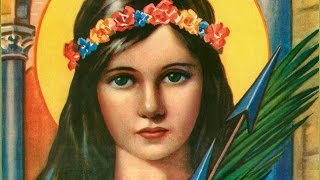
Come Grow With Us
Sign up and walk the Catholic journey with millions around the world.
Receive inspiring emails on saints, daily readings, and free faith-building resources—no cost, ever.
You could be the answer to a child’s prayer.
Please Watch
- 7 Morning Prayers
- Mysteries of the Rosary
- Litany of the Bl. Virgin Mary
- Popular Saints
- Popular Prayers
- Female Saints
- Saint Feast Days by Month
- Stations of the Cross
- St. Francis of Assisi
- St. Michael the Archangel
- The Apostles' Creed
- Unfailing Prayer to St. Anthony
- Pray the Rosary






Copyright 2026 Catholic Online. All materials contained on this site, whether written, audible or visual are the exclusive property of Catholic Online and are protected under U.S. and International copyright laws, © Copyright 2026 Catholic Online. Any unauthorized use, without prior written consent of Catholic Online is strictly forbidden and prohibited.
Catholic Online is a Project of Your Catholic Voice Foundation, a Not-for-Profit Corporation. Your Catholic Voice Foundation has been granted a recognition of tax exemption under Section 501(c)(3) of the Internal Revenue Code. Federal Tax Identification Number: 81-0596847. Your gift is tax-deductible as allowed by law.