Apollinaris (the Elder)
FREE Catholic Classes
A Christian grammarian of the fourth century, first at Berytus in Phoenicia, then at Laodicea in Syria. He became a priest, and was among the stanchest upholders of the Council of Nicæa (325) and of St. Athanasius. When Julian the Apostate forbade Christian professors to lecture or comment on the poets or philosophers of Greece (362), Apollinaris and his son bearing the same name, both highly cultivated and resourceful, zealously strove to replace the literary masterpieces of antiquity by new works which should offset the threatened loss to Christians of the advantages of polite instruction and help to win respect for the Christian religion among the heathens. According to Socrates (Hist. Eccl., II, xlvi; III, xvi), the elder Apollinaris translated the Pentateuch into Greek hexameters, converted the first two books of Kings into an epic poem of twenty-four cantos, wrote tragedies modelled on Euripides, comedies after the manner of Menander, and odes imitated from Pindar. Sozomen (Hist. Eccl., V, xviii; VI, xxv) says nothing of the poetical works of the elder Apollinaris, but lays stress on those of his son. This improvised Greek literature, however, uninspired by genius, did not survive. As soon as Valentinian I (364-375) had revoked the edict of Julian the schools returned to the great classic writers, and only the memory of the courageous efforts of Apollinaris to nullify the malice of Julian survived.



Join the Movement
When you sign up below, you don't just join an email list - you're joining an entire movement for Free world class Catholic education.


-

-
Mysteries of the Rosary
-
St. Faustina Kowalska
-
Litany of the Blessed Virgin Mary
-
Saint of the Day for Wednesday, Oct 4th, 2023
-
Popular Saints
-
St. Francis of Assisi
-
Bible
-
Female / Women Saints
-
7 Morning Prayers you need to get your day started with God
-
Litany of the Blessed Virgin Mary


Sacrifices of Faith: The Pro-Life Legacies of St. Gianna and Jessica Hanna
-
How to love God by caring for our bodies
-
Pope Francis calls for negotiations to End Russia-Ukraine War
-
Pope Francis Contemplates Return to U.S. for United Nations Assembly Address
-
Pope Francis Calls on Faithful to Embrace Faith, Hope, and Charity in New Teaching Series


Daily Catholic
- Daily Readings for Sunday, April 28, 2024
- St. Peter Chanel: Saint of the Day for Sunday, April 28, 2024
- Prayer before a Crucifix: Prayer of the Day for Sunday, April 28, 2024
- Daily Readings for Saturday, April 27, 2024
- St. Zita: Saint of the Day for Saturday, April 27, 2024
- Prayer for the Dead # 2: Prayer of the Day for Saturday, April 27, 2024
 Daily Readings for Sunday, April 28, 2024
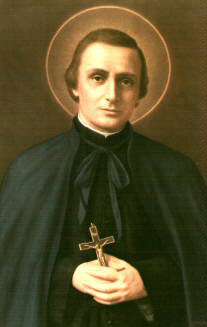 St. Peter Chanel: Saint of the Day for Sunday, April 28, 2024
 Prayer before a Crucifix: Prayer of the Day for Sunday, April 28, 2024
 Hi readers, it seems you use Catholic Online a lot; that's great! It's a little awkward to ask, but we need your help. If you have already donated, we sincerely thank you. We're not salespeople, but we depend on donations averaging $14.76 and fewer than 1% of readers give. If you donate just $5.00, the price of your coffee, Catholic Online School could keep thriving. Thank you. Help Now >



Copyright 2024 Catholic Online. All materials contained on this site, whether written, audible or visual are the exclusive property of Catholic Online and are protected under U.S. and International copyright laws, © Copyright 2024 Catholic Online. Any unauthorized use, without prior written consent of Catholic Online is strictly forbidden and prohibited.
Catholic Online is a Project of Your Catholic Voice Foundation, a Not-for-Profit Corporation. Your Catholic Voice Foundation has been granted a recognition of tax exemption under Section 501(c)(3) of the Internal Revenue Code. Federal Tax Identification Number: 81-0596847. Your gift is tax-deductible as allowed by law.