John O'Dugan
FREE Catholic Classes
(Seághan "mor" O Dubhagáin)
Died in Roscommon, 1372. His family were for several centuries hereditary historians to the O'Kellys of Ui Máine. His most important work is a compilation of verse, giving the names of the various tribes and territories of the Irish, and the various chiefs before the coming of the Normans. He devotes 152 lines to Meath, 354 to Ulster, 328 to Connacht, and only 56 to Leinster, leaving it evidently unfinished at his death. His contemporary, Giolla-na-naomh O Huidhrin (Heerin), completed it. This work throws more light upon ancient Irish names and territories than any other similar work. In his monumental "Cambrensis Eversus", Dr. Lynch Says that he could not find "any better source than this remarkable poem" concerning the chief Irish families before the coming of the English. His précis of it occupies pages 235-79 of the first volume of Father Matthew Kelly's edition. O'Dugan was the author of several other extant poems, all more or less in the nature of a memoria technica , valuable chiefly for their facts about the kings of Ireland and of the provinces. He also composed several rules for determining moveable feasts, etc.


Join the Movement
When you sign up below, you don't just join an email list - you're joining an entire movement for Free world class Catholic education.


-

-
Mysteries of the Rosary
-
St. Faustina Kowalska
-
Litany of the Blessed Virgin Mary
-
Saint of the Day for Wednesday, Oct 4th, 2023
-
Popular Saints
-
St. Francis of Assisi
-
Bible
-
Female / Women Saints
-
7 Morning Prayers you need to get your day started with God
-
Litany of the Blessed Virgin Mary


Sacrifices of Faith: The Pro-Life Legacies of St. Gianna and Jessica Hanna
-
How to love God by caring for our bodies
-
Pope Francis calls for negotiations to End Russia-Ukraine War
-
Pope Francis Contemplates Return to U.S. for United Nations Assembly Address
-
Pope Francis Calls on Faithful to Embrace Faith, Hope, and Charity in New Teaching Series


Daily Catholic
- Daily Readings for Sunday, April 28, 2024
- St. Peter Chanel: Saint of the Day for Sunday, April 28, 2024
- Prayer before a Crucifix: Prayer of the Day for Sunday, April 28, 2024
- Daily Readings for Saturday, April 27, 2024
- St. Zita: Saint of the Day for Saturday, April 27, 2024
- Prayer for the Dead # 2: Prayer of the Day for Saturday, April 27, 2024
 Daily Readings for Sunday, April 28, 2024
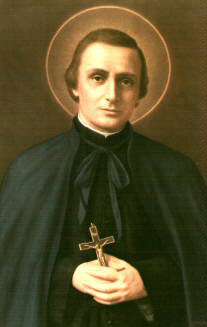 St. Peter Chanel: Saint of the Day for Sunday, April 28, 2024
 Prayer before a Crucifix: Prayer of the Day for Sunday, April 28, 2024



Copyright 2024 Catholic Online. All materials contained on this site, whether written, audible or visual are the exclusive property of Catholic Online and are protected under U.S. and International copyright laws, © Copyright 2024 Catholic Online. Any unauthorized use, without prior written consent of Catholic Online is strictly forbidden and prohibited.
Catholic Online is a Project of Your Catholic Voice Foundation, a Not-for-Profit Corporation. Your Catholic Voice Foundation has been granted a recognition of tax exemption under Section 501(c)(3) of the Internal Revenue Code. Federal Tax Identification Number: 81-0596847. Your gift is tax-deductible as allowed by law.
