In Commendam
FREE Catholic Classes
A phrase used in canon law to designate a certain manner of collating an ecclesiastical benefice . The word commendam is the accusative of the Low Latin noun commenda , "trust", or "custody", which is derived from the verb commendare (to give in trust ). The phrase in commendam was originally applied to the provisional collation and occupation of an ecclesiastical benefice which was temporarily without an actual occupant. It was thus opposed to the phrase in titulum which was applied to the regular and unconditioned collation of benefices.
The custom of giving benefices in commendam dates back to the fourth century. Thus St. Ambrose makes mention of a church which he gave in commendam , while he was Bishop of Milan : "Commendo tibi, fili, Ecclesiam quae est ad Forum Cornelii . . . donec ei ordinetur episcopus (Ep. ii, P.L., XVI, 886-87) The Third Council of Orléans, held in 538, in its eighteenth canon puts commendams under episcopal supervision. St. Gregory the Great on various occasions gave churches and monasteries in commendam to such bishops as had been driven from their sees by the invading barbarians, or whose own churches were too poor to furnish them a decent livelihood (Epp. i, 40; ii, 38; iii, 13; vi, 21; in P. L., LXXVII, 493, 577, 614, 812). In course of time the custom arose of allowing ecclesiastics, and even laymen, to draw the revenues of ecclesiastical benefices, without having any jurisdiction over spiritual affairs. In many cases, also, the one who held a benefice in commendam in this manner had the right and the obligation to engage and pay an ecclesiastic for fulfilling the spiritual obligations of the benefice. In the Middle Ages such commendams were often given to students, professors, church diplomats, cardinals, and others (Concerning the abuses of this practice and the efforts of popes and councils to put an end to them, see COMMENDATORY ABBOT. ) The pope has now reserved to himself the right of giving benefices in commendam , but makes use of this right only in cases of cardinals who reside in Rome.
We ask you, humbly: don't scroll away.
Hi readers, it seems you use Catholic Online a lot; that's great! It's a little awkward to ask, but we need your help. If you have already donated, we sincerely thank you. We're not salespeople, but we depend on donations averaging $14.76 and fewer than 1% of readers give. If you donate just $5.00, the price of your coffee, Catholic Online School could keep thriving. Thank you.Help Now >

Join the Movement
When you sign up below, you don't just join an email list - you're joining an entire movement for Free world class Catholic education.


-

-
Mysteries of the Rosary
-
St. Faustina Kowalska
-
Litany of the Blessed Virgin Mary
-
Saint of the Day for Wednesday, Oct 4th, 2023
-
Popular Saints
-
St. Francis of Assisi
-
Bible
-
Female / Women Saints
-
7 Morning Prayers you need to get your day started with God
-
Litany of the Blessed Virgin Mary

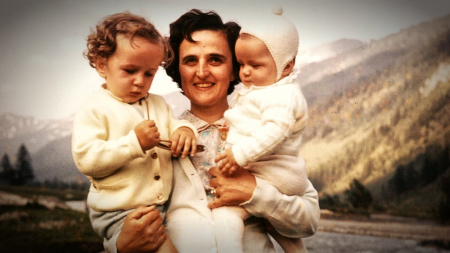
Sacrifices of Faith: The Pro-Life Legacies of St. Gianna and Jessica Hanna
-
How to love God by caring for our bodies
-
Pope Francis calls for negotiations to End Russia-Ukraine War
-
Pope Francis Contemplates Return to U.S. for United Nations Assembly Address
-
Pope Francis Calls on Faithful to Embrace Faith, Hope, and Charity in New Teaching Series


Daily Catholic
- Daily Readings for Monday, April 29, 2024
- St. Catherine of Siena: Saint of the Day for Monday, April 29, 2024
- Prayer for the Dead # 3: Prayer of the Day for Monday, April 29, 2024
- Daily Readings for Sunday, April 28, 2024
- St. Peter Chanel: Saint of the Day for Sunday, April 28, 2024
- Prayer before a Crucifix: Prayer of the Day for Sunday, April 28, 2024
 Daily Readings for Monday, April 29, 2024
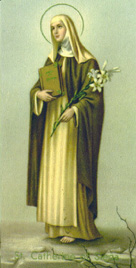 St. Catherine of Siena: Saint of the Day for Monday, April 29, 2024
 Prayer for the Dead # 3: Prayer of the Day for Monday, April 29, 2024
 Hi readers, it seems you use Catholic Online a lot; that's great! It's a little awkward to ask, but we need your help. If you have already donated, we sincerely thank you. We're not salespeople, but we depend on donations averaging $14.76 and fewer than 1% of readers give. If you donate just $5.00, the price of your coffee, Catholic Online School could keep thriving. Thank you. Help Now >


Copyright 2024 Catholic Online. All materials contained on this site, whether written, audible or visual are the exclusive property of Catholic Online and are protected under U.S. and International copyright laws, © Copyright 2024 Catholic Online. Any unauthorized use, without prior written consent of Catholic Online is strictly forbidden and prohibited.
Catholic Online is a Project of Your Catholic Voice Foundation, a Not-for-Profit Corporation. Your Catholic Voice Foundation has been granted a recognition of tax exemption under Section 501(c)(3) of the Internal Revenue Code. Federal Tax Identification Number: 81-0596847. Your gift is tax-deductible as allowed by law.