Gerhard of Zütphen
FREE Catholic Classes
(ZERBOLT OF ZUTPHEN)
Born at Zütphen, 1367; died at Windesheim, 1398; a mystical writer and one of the first of the Brothers of the Common Life, founded by Gerhard Groote and Florentius Radewyn at Deventer, in the Netherlands. Even in that community of "plain living and high thinking" Gerhard was remarkable for his absorption in the sacred sciences and his utter oblivion of all matters of merely earthly interest. He held the office of librarian, and his deep learning in moral theology and canon law did the brothers good service, in helping them to meet the prejudice and opposition which their manner of life at first aroused. His best known works are entitled "Homo quidam" and "Beatus vir"; the two are almost identical ( de la Bigne, Bibliotheca Patrum, XXVI). Two other treatises on prayer in the mother-tongue and on reading the Scripture in the mother-tongue are attributed to him (Ullmann, Reformatoren vor der Reformation; and Hirsche in Herzog's Realencyklopädie, 2nd ed.). Ullmann and other controversialists have used Gerhard of Zütphen's zeal for propagating the vernacular Scriptures as proof to connect the Brothers of the Common Life with the German Reformers ; but an examination of Gerhard's arguments, as quoted by them, reveals with how little foundation.
 Hi readers, it seems you use Catholic Online a lot; that's great! It's a little awkward to ask, but we need your help. If you have already donated, we sincerely thank you. We're not salespeople, but we depend on donations averaging $14.76 and fewer than 1% of readers give. If you donate just $5.00, the price of your coffee, Catholic Online School could keep thriving. Thank you. Help Now >


Join the Movement
When you sign up below, you don't just join an email list - you're joining an entire movement for Free world class Catholic education.


-

-
Mysteries of the Rosary
-
St. Faustina Kowalska
-
Litany of the Blessed Virgin Mary
-
Saint of the Day for Wednesday, Oct 4th, 2023
-
Popular Saints
-
St. Francis of Assisi
-
Bible
-
Female / Women Saints
-
7 Morning Prayers you need to get your day started with God
-
Litany of the Blessed Virgin Mary

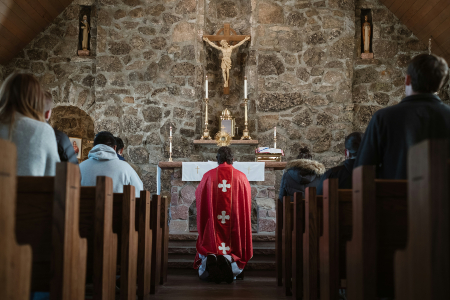
U.S. Catholic Parishes Experience Resurgence of Traditional Practices
-
Pope Francis Urges Faith and Prayers for Peace
-
Florida Welcomes Volunteer Chaplains to Public Schools
-
10 Fascinating Details About St. Joseph the Worker: Celebrating His Feast Day - May 1
-
St. Joseph the Worker: Model for Men, Young and Old


Daily Catholic
- Daily Readings for Thursday, May 02, 2024
- St. Athanasius: Saint of the Day for Thursday, May 02, 2024
- The Our Father: Prayer of the Day for Thursday, May 02, 2024
- Daily Readings for Wednesday, May 01, 2024
- St. Marculf: Saint of the Day for Wednesday, May 01, 2024
- To Saint Peregrine: Prayer of the Day for Wednesday, May 01, 2024
 Daily Readings for Thursday, May 02, 2024
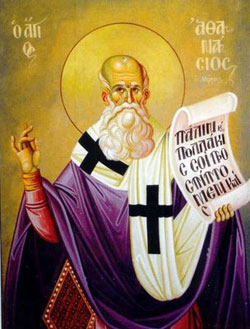 St. Athanasius: Saint of the Day for Thursday, May 02, 2024
 The Our Father: Prayer of the Day for Thursday, May 02, 2024


Copyright 2024 Catholic Online. All materials contained on this site, whether written, audible or visual are the exclusive property of Catholic Online and are protected under U.S. and International copyright laws, © Copyright 2024 Catholic Online. Any unauthorized use, without prior written consent of Catholic Online is strictly forbidden and prohibited.
Catholic Online is a Project of Your Catholic Voice Foundation, a Not-for-Profit Corporation. Your Catholic Voice Foundation has been granted a recognition of tax exemption under Section 501(c)(3) of the Internal Revenue Code. Federal Tax Identification Number: 81-0596847. Your gift is tax-deductible as allowed by law.