
St. Pamphilus
Facts
Death: 309
Author and Publisher - Catholic Online
Printable Catholic Saints PDFs
Shop St. Pamphilus
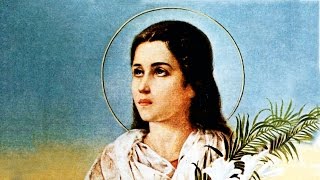
Biblical scholar and a devotee of the controversial theologian Origen. From Berytus, in Phoenicia, Pamphilus studied in his native city and then at the famed Catechetical School of Alexandria, where he was taught by Pierius, a student of Origen. Ordained at Caesarea, Pamphilus became the head of a catechetical school there, and soon acquired a reputation for learning, biblical study, and the size and brilliance of his library. One of the students of this school was the historian Eusebius of Caesarea who held him in such high regard that he adopted the name Eusebius of Pamphilus. Arrested in 308 for being a Christian by Urban, the governor of Palestine, Pamphilus spent two years in prison before being beheaded as part of the Roman persecution of the faith. A number of others died in connection with his martyrdom, including a student named Porphyrius and a Cappadocian, Seleucus, who was accused of applauding Porphyrius aplomb in enduring torture. Pamphilus collaborated with Eusebius perhaps a fellow prisoner at some point on an Apology of Origen. Originally five books, only one book of the Apology has survived, and even this portion is of doubtful authenticity, perhaps being a Latin version undertaken by Rufinus of Aquileia. Eusebius added a sixth book after Pamphilus’ martyrdom, wrote a biography of his beloved mentor of which fragments are still available, and praised him extravagantly in his Ecclesiastical History. Pamphilus' library survived in Alexandria until destroyed by the Arabs in the seventh century.
Join the Movement
When you sign up below, you don't just join an email list - you're joining an entire movement for Free world class Catholic education.
An Urgent Message from Sister Sara – Please Watch

- Advent / Christmas
- 7 Morning Prayers
- Mysteries of the Rosary
- Litany of the Bl. Virgin Mary
- Popular Saints
- Popular Prayers
- Female Saints
- Saint Feast Days by Month
- Stations of the Cross
- St. Francis of Assisi
- St. Michael the Archangel
- The Apostles' Creed
- Unfailing Prayer to St. Anthony
- Pray the Rosary







Copyright 2025 Catholic Online. All materials contained on this site, whether written, audible or visual are the exclusive property of Catholic Online and are protected under U.S. and International copyright laws, © Copyright 2025 Catholic Online. Any unauthorized use, without prior written consent of Catholic Online is strictly forbidden and prohibited.
Catholic Online is a Project of Your Catholic Voice Foundation, a Not-for-Profit Corporation. Your Catholic Voice Foundation has been granted a recognition of tax exemption under Section 501(c)(3) of the Internal Revenue Code. Federal Tax Identification Number: 81-0596847. Your gift is tax-deductible as allowed by law.