Because of You, 2.2 Million Students Are Being Formed in the Faith
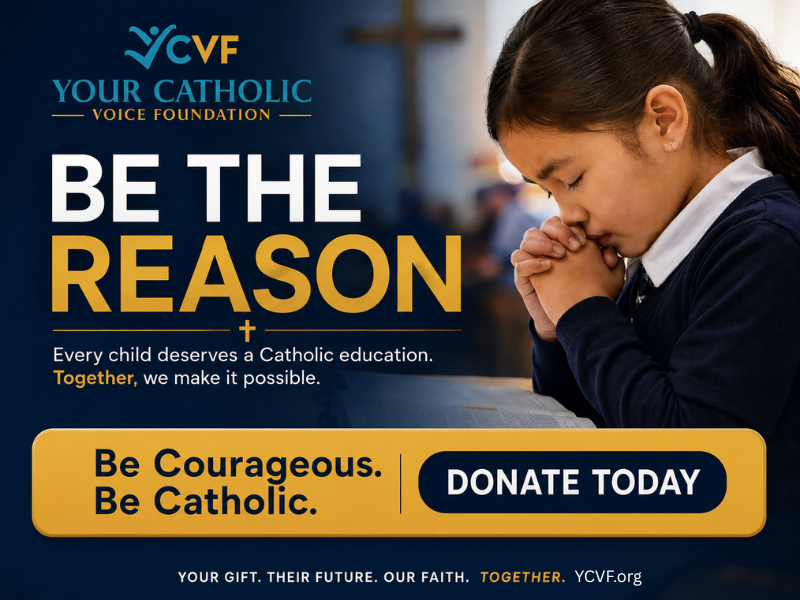
Because of generous supporters like you, Catholic Online School has already delivered free, faithful Catholic education to over 2.2 million students across 193 countries. In an age of noise and algorithms, you are helping form souls with truth, prayer, Scripture, and Christ.
If everyone who reads this gave just $5 — the cost of a coffee — we could reach even more families and keep this life-changing formation free for all. Be Courageous. Be Catholic. Stand with us today.
DONATE TODAY >Carlo Dolci
FREE Catholic Classes
Painter, born in Florence, Italy, 25 May, 1616; died 17 January, 1686. The grandson of a painter, he seems to have inherited a talent for art. He studied under J. Vignali, and when only eleven years old he attracted attention by the excellence of his work, notably a figure of St. John and a head of the Infant Jesus. The precocious youth made a carefully-finished picture of his mother, and thereafter was kept busy filling the numerous commissions he received in Florence, a city he seldom left during his long life, which he devoted to art. Dolci was one of the few masters whose pictures were eagerly sought for by his countrymen during his lifetime. He was very pious and painted religious works exclusively. It is recorded that in every Passion week he painted a picture of the Saviour. He limited his brush to heads -- usually of Christ and the Virgin -- and seldom undertook a large-sized canvas. He is celebrated for the soft, gentle, and tender expression of his faces, the transparency of his colour, the excellent management of chiaroscuro, and the careful and ivory-like finish of his pictures. The simplicity and tranquillity on the faces of his paintings of Christ and the Virgin seem little short of inspired. Hinds calls him mawkish and affected; but Dolci was the last of the Florentine School, the last real "master of the Renaissance "; and as decadent sweetness permeated all Italian art, his pictures but reflected the dominant character of the close of the seventeenth century. Patient and slow, he painted pictures that are perfectly finished in every detail. His masterpiece (1646) is "St. Andrew praying before his Crucifixion" (Pitti Gallery, Florence). It is one of the few works where his figures, always well drawn and standing out in beautiful relief, are life-size. Next in excellence to this is the "St. John writing his Gospel" (Berlin). His "Mater Dolorosa" called "Madonna del Dito" (of the thumb) is known throughout the civilized world because of its many reproductions. In 1662 Dolci saw with chagrin Giordano accomplish in a few hours what would have taken him weeks, and it is said he was thereupon seized with melancholy, which ultimately led to his death. Loma, Mancini, Mariani, and Agnese Dolci (his daughter) were a few of his pupils and imitators. Contemporary copyists have filled European collections with spurious Dolcis. Angese Dolci, who died the same year as her father, not only made marvellous copies of the master's pictures, but was herself an excellent painter. Her "Consecration of the Bread and Wine" is in the Louvre. Other works by him are: "Virgin and Child", National Gallery, London ; "The Saviour seated with Saints", Florence; "Madonna and Child", Borghese Gallery, Rome.
Come Grow With Us
Sign up and walk the Catholic journey with millions around the world.
Receive inspiring emails on saints, daily readings, and free faith-building resources—no cost, ever.
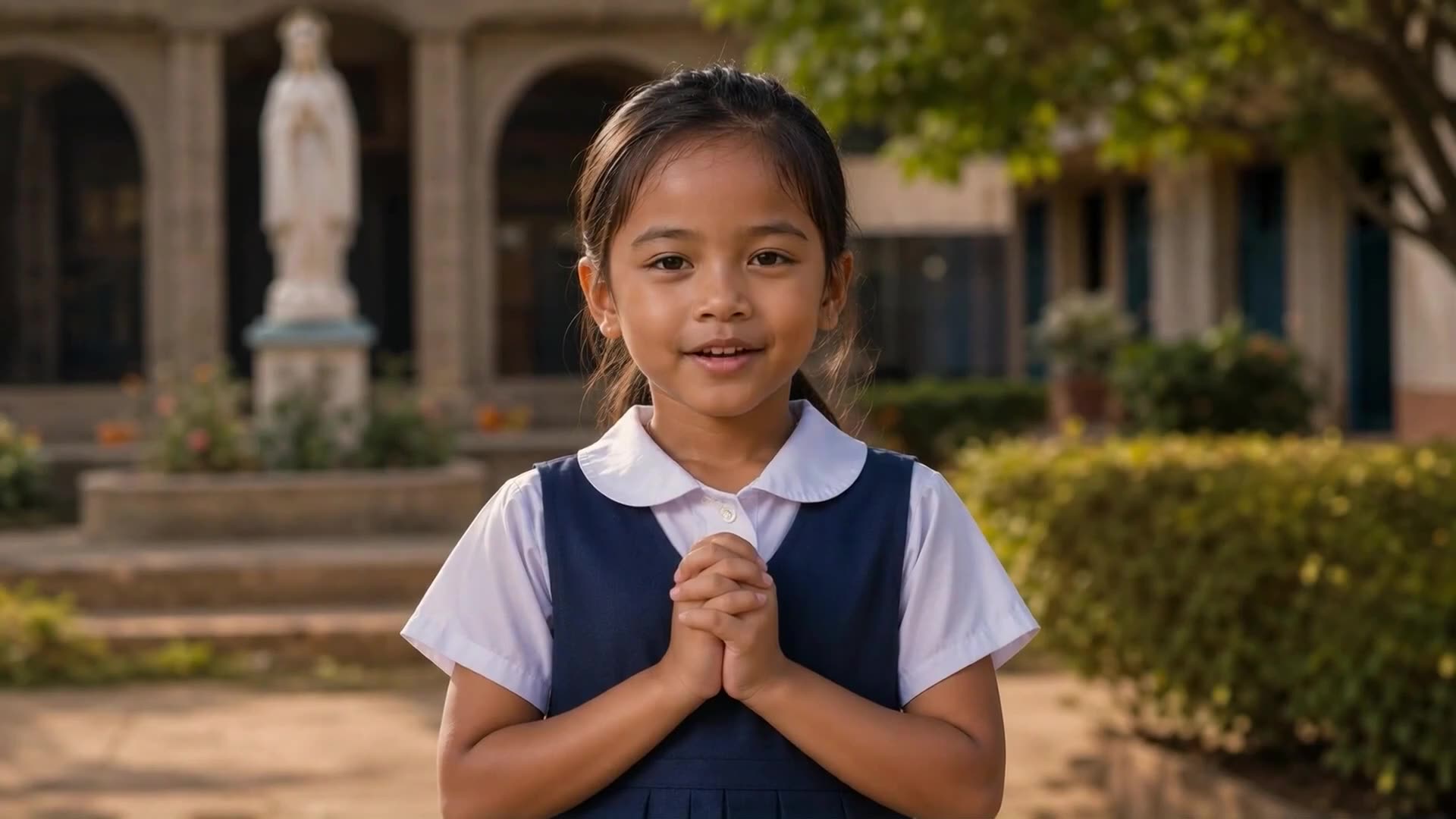
This 15-Second Video Will Change How You See Catholic Education.
Watch Now
- 7 Morning Prayers
- Mysteries of the Rosary
- Litany of the Bl. Virgin Mary
- Popular Saints
- Popular Prayers
- Female Saints
- Saint Feast Days by Month
- Stations of the Cross
- St. Francis of Assisi
- St. Michael the Archangel
- The Apostles' Creed
- Unfailing Prayer to St. Anthony
- Pray the Rosary










Copyright 2026 Catholic Online. All materials contained on this site, whether written, audible or visual are the exclusive property of Catholic Online and are protected under U.S. and International copyright laws, © Copyright 2026 Catholic Online. Any unauthorized use, without prior written consent of Catholic Online is strictly forbidden and prohibited.
Catholic Online is a Project of Your Catholic Voice Foundation, a Not-for-Profit Corporation. Your Catholic Voice Foundation has been granted a recognition of tax exemption under Section 501(c)(3) of the Internal Revenue Code. Federal Tax Identification Number: 81-0596847. Your gift is tax-deductible as allowed by law.
