Acta Triadis Thaumaturgæ
FREE Catholic Classes
(THE ACTS OF A WONDER-WORKING TRIAD)
The lives of St. Patrick, St. Brigid, and St. Columba; published at Louvain, in 1647, by John Colgan, O.F.M., mainly at the expense of Thomas Fleming, Archbishop of Dublin. The full title runs as follows:
""Triadis Thaumaturgæ, seu divorum Patricii, Columbæ, et Brigidæ, trium veteris et majoris Scotiæ, seu Hiberniæ, Sanctorum insulæ, communium patronorum acta, a variis, iisque pervetustis ac Sanctis, authoribus Scripta, ac studio R.P.F. Joannis Colgani, in conventu F.F. Minor. Hibernor, Stritior, Observ., Lovanii, S. Theologiæ Lectoris Jubilati, ex variis bibliothecis collecta, scholiis et commentariis illustrata, et pluribus appendicibus aucta; complectitur tomus secundus sacrarum ejusdem insulæ antiquitatum, nunc primum in lucem prodiens"".Want of funds alone prevented the publication of all the priceless material which Colgan had transcribed and prepared for press, and from the catalogue of the manuscripts found in his cell after his death, it is evident that the great Irish hagiologist had given a detailed account of the labours of Irish missionaries in England, Scotland, Belgium, Alsace, Lorraine, Burgundy, Germany, and Italy. A small remnant of these unpublished volumes is now in the Franciscan Library, Merchants' Quay, Dublin. In 1652 Colgan begged his superiors to relieve him of the duties of guardian and professor, and he died at St. Anthony's, Louvain, 15 January, 1658, aged 66.


Join the Movement
When you sign up below, you don't just join an email list - you're joining an entire movement for Free world class Catholic education.


-

-
Mysteries of the Rosary
-
St. Faustina Kowalska
-
Litany of the Blessed Virgin Mary
-
Saint of the Day for Wednesday, Oct 4th, 2023
-
Popular Saints
-
St. Francis of Assisi
-
Bible
-
Female / Women Saints
-
7 Morning Prayers you need to get your day started with God
-
Litany of the Blessed Virgin Mary


Sacrifices of Faith: The Pro-Life Legacies of St. Gianna and Jessica Hanna
-
How to love God by caring for our bodies
-
Pope Francis calls for negotiations to End Russia-Ukraine War
-
Pope Francis Contemplates Return to U.S. for United Nations Assembly Address
-
Pope Francis Calls on Faithful to Embrace Faith, Hope, and Charity in New Teaching Series


Daily Catholic
- Daily Readings for Sunday, April 28, 2024
- St. Peter Chanel: Saint of the Day for Sunday, April 28, 2024
- Prayer before a Crucifix: Prayer of the Day for Sunday, April 28, 2024
- Daily Readings for Saturday, April 27, 2024
- St. Zita: Saint of the Day for Saturday, April 27, 2024
- Prayer for the Dead # 2: Prayer of the Day for Saturday, April 27, 2024
 Daily Readings for Sunday, April 28, 2024
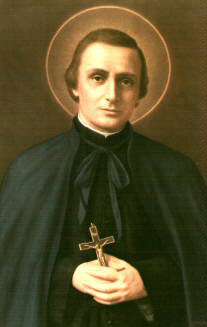 St. Peter Chanel: Saint of the Day for Sunday, April 28, 2024
 Prayer before a Crucifix: Prayer of the Day for Sunday, April 28, 2024
We ask you, humbly: don't scroll away.
Hi readers, it seems you use Catholic Online a lot; that's great! It's a little awkward to ask, but we need your help. If you have already donated, we sincerely thank you. We're not salespeople, but we depend on donations averaging $14.76 and fewer than 1% of readers give. If you donate just $5.00, the price of your coffee, Catholic Online School could keep thriving. Thank you.Help Now >
We ask you, humbly: don't scroll away.
Hi readers, it seems you use Catholic Online a lot; that's great! It's a little awkward to ask, but we need your help. If you have already donated, we sincerely thank you. We're not salespeople, but we depend on donations averaging $14.76 and fewer than 1% of readers give. If you donate just $5.00, the price of your coffee, Catholic Online School could keep thriving. Thank you.Help Now >

Copyright 2024 Catholic Online. All materials contained on this site, whether written, audible or visual are the exclusive property of Catholic Online and are protected under U.S. and International copyright laws, © Copyright 2024 Catholic Online. Any unauthorized use, without prior written consent of Catholic Online is strictly forbidden and prohibited.
Catholic Online is a Project of Your Catholic Voice Foundation, a Not-for-Profit Corporation. Your Catholic Voice Foundation has been granted a recognition of tax exemption under Section 501(c)(3) of the Internal Revenue Code. Federal Tax Identification Number: 81-0596847. Your gift is tax-deductible as allowed by law.