Ven. John Ogilvie
FREE Catholic Classes
Eldest son of Walter Ogilvie, of Drum, near Keith, Scotland, b. 1580; d. 10 March, 1615. Educated as a Calvinist, he was received into the Church at Louvain by Father Cornelius a Lapide. Becoming a Jesuit at the age of seventeen he was ordained priest in 1613, and at his own request was sent on the perilous Scottish mission. He landed in Scotland in November, 1613, and during nine months reconciled many with the Church in Edinburgh and Glasgow. He was betrayed in the latter city, but, during a long imprisonment, no tortures could force him to name any Catholics. Though his legs were cruelly crushed, and he was kept awake for nine nights by being continually pricked by needles, scarcely a sigh escaped him. Under searching examinations, his patience, courage, and gaiety won the admiration of his very judges -- especially of the Protestant Archbishop Spottiswood -- but he was condemned as a traitor and hanged at Glasgow. The customary beheading and quartering were omitted owing to undisguised popular sympathy, and his body was hurriedly buried in the churchyard of Glasgow cathedral. He was declared venerable in the seventeenth century.


Join the Movement
When you sign up below, you don't just join an email list - you're joining an entire movement for Free world class Catholic education.


-

-
Mysteries of the Rosary
-
St. Faustina Kowalska
-
Litany of the Blessed Virgin Mary
-
Saint of the Day for Wednesday, Oct 4th, 2023
-
Popular Saints
-
St. Francis of Assisi
-
Bible
-
Female / Women Saints
-
7 Morning Prayers you need to get your day started with God
-
Litany of the Blessed Virgin Mary

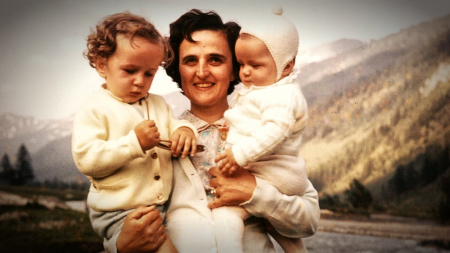
Sacrifices of Faith: The Pro-Life Legacies of St. Gianna and Jessica Hanna
-
How to love God by caring for our bodies
-
Pope Francis calls for negotiations to End Russia-Ukraine War
-
Pope Francis Contemplates Return to U.S. for United Nations Assembly Address
-
Pope Francis Calls on Faithful to Embrace Faith, Hope, and Charity in New Teaching Series


Daily Catholic
- Daily Readings for Sunday, April 28, 2024
- St. Peter Chanel: Saint of the Day for Sunday, April 28, 2024
- Prayer before a Crucifix: Prayer of the Day for Sunday, April 28, 2024
- Daily Readings for Saturday, April 27, 2024
- St. Zita: Saint of the Day for Saturday, April 27, 2024
- Prayer for the Dead # 2: Prayer of the Day for Saturday, April 27, 2024
 Daily Readings for Sunday, April 28, 2024
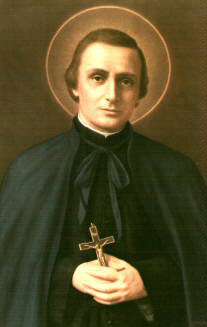 St. Peter Chanel: Saint of the Day for Sunday, April 28, 2024
 Prayer before a Crucifix: Prayer of the Day for Sunday, April 28, 2024


Copyright 2024 Catholic Online. All materials contained on this site, whether written, audible or visual are the exclusive property of Catholic Online and are protected under U.S. and International copyright laws, © Copyright 2024 Catholic Online. Any unauthorized use, without prior written consent of Catholic Online is strictly forbidden and prohibited.
Catholic Online is a Project of Your Catholic Voice Foundation, a Not-for-Profit Corporation. Your Catholic Voice Foundation has been granted a recognition of tax exemption under Section 501(c)(3) of the Internal Revenue Code. Federal Tax Identification Number: 81-0596847. Your gift is tax-deductible as allowed by law.
