We ask you, humbly: don't scroll away.
Hi readers, it seems you use Catholic Online a lot; that's great! It's a little awkward to ask, but we need your help. If you have already donated, we sincerely thank you. We're not salespeople, but we depend on donations averaging $14.76 and fewer than 1% of readers give. If you donate just $5.00, the price of your coffee, Catholic Online School could keep thriving. Thank you.Help Now >
Chiavari
FREE Catholic Classes
(CLAVARIUM); DIOCESE OF CHIAVARI (CLAVARENSIS)
Suffragan of Genoa. Chiavari is a city of the province of Genoa in Northern Italy, situated on a little bay of the Gulf of Genoa. It became a diocese in 1892, but until 1896 was administered by the Archbishop of Genoa, to which diocese it originally belonged. The first bishop was Fortunato Vinelli.
Chiavari is famous for its industry and commerce, also for its cherrywood chairs first made by Giuseppe Descalzi. Many of the inhabitants devote themselves to fishing, there being an abundance of fish about that coast. There are also many slate quarries in the neighbourhood. The beauty of the city is much enhanced by the churches of the Madonna, San Francesco, and San Giovanni. After the discovery of the conspiracy of the Fieschi (1542), and the capture of Chiavari by the Counts of Lavagna, this city suffered much, being suspected of friendliness towards the conspirators. Among its illustrious citizens were: Luca Cantiano di Moneglia, founder of a school of painting, and Giuseppe Gregorio Solari, translator of many Latin poets.
The diocese has a population of 99,200, with 138 parishes, 335 churches and chapels, 293 secular and 28 regular priests, 100 ecclesiastical students, 4 religious houses of men and 5 of women.

Join the Movement
When you sign up below, you don't just join an email list - you're joining an entire movement for Free world class Catholic education.


-

-
Mysteries of the Rosary
-
St. Faustina Kowalska
-
Litany of the Blessed Virgin Mary
-
Saint of the Day for Wednesday, Oct 4th, 2023
-
Popular Saints
-
St. Francis of Assisi
-
Bible
-
Female / Women Saints
-
7 Morning Prayers you need to get your day started with God
-
Litany of the Blessed Virgin Mary

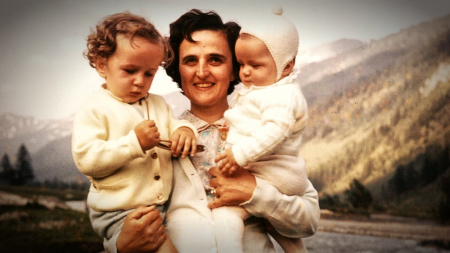
Sacrifices of Faith: The Pro-Life Legacies of St. Gianna and Jessica Hanna
-
How to love God by caring for our bodies
-
Pope Francis calls for negotiations to End Russia-Ukraine War
-
Pope Francis Contemplates Return to U.S. for United Nations Assembly Address
-
Pope Francis Calls on Faithful to Embrace Faith, Hope, and Charity in New Teaching Series


Daily Catholic
- Daily Readings for Monday, April 29, 2024
- St. Catherine of Siena: Saint of the Day for Monday, April 29, 2024
- Prayer for the Dead # 3: Prayer of the Day for Monday, April 29, 2024
- Daily Readings for Sunday, April 28, 2024
- St. Peter Chanel: Saint of the Day for Sunday, April 28, 2024
- Prayer before a Crucifix: Prayer of the Day for Sunday, April 28, 2024
 Daily Readings for Monday, April 29, 2024
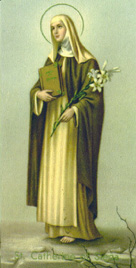 St. Catherine of Siena: Saint of the Day for Monday, April 29, 2024
 Prayer for the Dead # 3: Prayer of the Day for Monday, April 29, 2024
We ask you, humbly: don't scroll away.
Hi readers, it seems you use Catholic Online a lot; that's great! It's a little awkward to ask, but we need your help. If you have already donated, we sincerely thank you. We're not salespeople, but we depend on donations averaging $14.76 and fewer than 1% of readers give. If you donate just $5.00, the price of your coffee, Catholic Online School could keep thriving. Thank you.Help Now >

Copyright 2024 Catholic Online. All materials contained on this site, whether written, audible or visual are the exclusive property of Catholic Online and are protected under U.S. and International copyright laws, © Copyright 2024 Catholic Online. Any unauthorized use, without prior written consent of Catholic Online is strictly forbidden and prohibited.
Catholic Online is a Project of Your Catholic Voice Foundation, a Not-for-Profit Corporation. Your Catholic Voice Foundation has been granted a recognition of tax exemption under Section 501(c)(3) of the Internal Revenue Code. Federal Tax Identification Number: 81-0596847. Your gift is tax-deductible as allowed by law.
