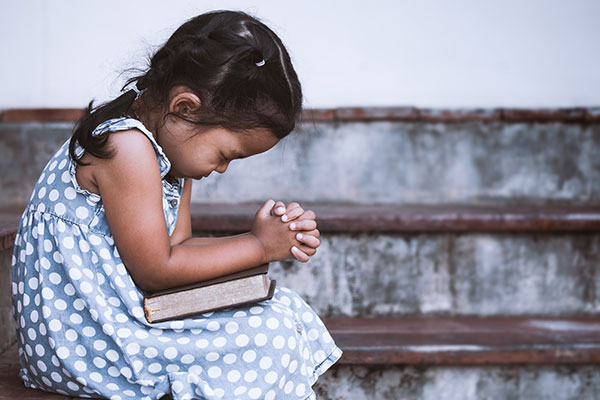
 Dear readers, Catholic Online was de-platformed by Shopify for our pro-life beliefs. They shut down our Catholic Online, Catholic Online School, Prayer Candles, and Catholic Online Learning Resources essential faith tools serving over 2.2 million students and millions of families worldwide. Our founders, now in their 70's, just gave their entire life savings to protect this mission. But fewer than 2% of readers donate. If everyone gave just $5, the cost of a coffee, we could rebuild stronger and keep Catholic education free for all. Stand with us in faith. Thank you. DONATE TODAY >
Cartagena
FREE Catholic Classes
(CARTHAGENA IN INDIIS)
The city of the same name, residence of the archbishop, is situated on an island to the north of Tierra Bomba (Colombia). Heredia built and fortified it in 1533, and Philip II, King of Spain, in 1579, granted it the title of city; it is now the capital of the State of Bolivar. Pope Clement VII erected it into a bishopric in 1534, and Leo XIII raised it to metropolitan rank in 1900.
Its first bishop was the Dominican Tomás del Toro (1535). Other bishops were: Fra Antonio de Hervia (1590), who was the first professor at the University of Lima ; Fra Juan de Labrada (1596), who rebuilt the cathedral ; the Franciscan, José Diaz de Lamadrid (1677), who built many churches and hospitals, and who gave to the cathedral a pulpit of marble, mosaics, and a monstrance valued at ninety thousand dollars. Pedro Adán Brioschi was the first archbishop. The diocese contains 300,000 inhabitants; it has 98 parishes, two religious orders of men and two of women ; it has also a university and a college directed by the Jesuits, a seminary, and various houses of education for girls, directed by nuns.
Come Grow With Us
Sign up and walk the Catholic journey with millions around the world.
Receive inspiring emails on saints, daily readings, and free faith-building resources—no cost, ever.
Sister Sara Has One Message for Every Catholic Family This June
- 7 Morning Prayers
- Mysteries of the Rosary
- Litany of the Bl. Virgin Mary
- Popular Saints
- Popular Prayers
- Female Saints
- Saint Feast Days by Month
- Stations of the Cross
- St. Francis of Assisi
- St. Michael the Archangel
- The Apostles' Creed
- Unfailing Prayer to St. Anthony
- Pray the Rosary







Copyright 2026 Catholic Online. All materials contained on this site, whether written, audible or visual are the exclusive property of Catholic Online and are protected under U.S. and International copyright laws, © Copyright 2026 Catholic Online. Any unauthorized use, without prior written consent of Catholic Online is strictly forbidden and prohibited.
Catholic Online is a Project of Your Catholic Voice Foundation, a Not-for-Profit Corporation. Your Catholic Voice Foundation has been granted a recognition of tax exemption under Section 501(c)(3) of the Internal Revenue Code. Federal Tax Identification Number: 81-0596847. Your gift is tax-deductible as allowed by law.
