Capsa
FREE Catholic Classes
A titular see of North Africa. The city, said to have been founded by the Libyan Hercules, belonged to King Jugurtha, who had deposited his treasures there; it was captured by Marius in 106 B.C. and destroyed, but later became a Roman colony. When Africa was divided into two provinces by Justinian, it was assigned to Byzacena. Under Justinian the Duke of Byzacena resided there and the town which was protected by a strong citadel, was called Justiniana Capsa . In the eleventh century after the Arab conquest, more than two hundred flourishing villages stood in the surrounding region. Five bishops, one a Donatist, are known from 255 to 484 ( Morcelli, Africa Christiana, 1, 118, Gams, 464).
The modern name of the town is Gafsa; it is situated in a most fertile oasis, about 81 miles west of Gabes and 128 west of Sfax, with which it is connected by a railway. The oasis has about 5000 inhabitants trading in dates, carpets, and wool rugs. It is well watered, has magnificent palm-trees, and is an important centre for French military and civil administration in Tunisia.


Join the Movement
When you sign up below, you don't just join an email list - you're joining an entire movement for Free world class Catholic education.


-

-
Mysteries of the Rosary
-
St. Faustina Kowalska
-
Litany of the Blessed Virgin Mary
-
Saint of the Day for Wednesday, Oct 4th, 2023
-
Popular Saints
-
St. Francis of Assisi
-
Bible
-
Female / Women Saints
-
7 Morning Prayers you need to get your day started with God
-
Litany of the Blessed Virgin Mary


Sacrifices of Faith: The Pro-Life Legacies of St. Gianna and Jessica Hanna
-
How to love God by caring for our bodies
-
Pope Francis calls for negotiations to End Russia-Ukraine War
-
Pope Francis Contemplates Return to U.S. for United Nations Assembly Address
-
Pope Francis Calls on Faithful to Embrace Faith, Hope, and Charity in New Teaching Series


Daily Catholic
- Daily Readings for Sunday, April 28, 2024
- St. Peter Chanel: Saint of the Day for Sunday, April 28, 2024
- Prayer before a Crucifix: Prayer of the Day for Sunday, April 28, 2024
- Daily Readings for Saturday, April 27, 2024
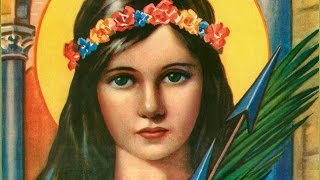
- St. Zita: Saint of the Day for Saturday, April 27, 2024
- Prayer for the Dead # 2: Prayer of the Day for Saturday, April 27, 2024
 Daily Readings for Sunday, April 28, 2024
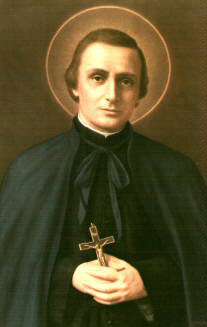 St. Peter Chanel: Saint of the Day for Sunday, April 28, 2024
 Prayer before a Crucifix: Prayer of the Day for Sunday, April 28, 2024


Copyright 2024 Catholic Online. All materials contained on this site, whether written, audible or visual are the exclusive property of Catholic Online and are protected under U.S. and International copyright laws, © Copyright 2024 Catholic Online. Any unauthorized use, without prior written consent of Catholic Online is strictly forbidden and prohibited.
Catholic Online is a Project of Your Catholic Voice Foundation, a Not-for-Profit Corporation. Your Catholic Voice Foundation has been granted a recognition of tax exemption under Section 501(c)(3) of the Internal Revenue Code. Federal Tax Identification Number: 81-0596847. Your gift is tax-deductible as allowed by law.
