 Hi readers, it seems you use Catholic Online a lot; that's great! It's a little awkward to ask, but we need your help. If you have already donated, we sincerely thank you. We're not salespeople, but we depend on donations averaging $14.76 and fewer than 1% of readers give. If you donate just $5.00, the price of your coffee, Catholic Online School could keep thriving. Thank you. Help Now >
Francisco Burgoa
FREE Catholic Classes
Born at Oaxaca about 1600; d. at Teopozotlan in 1681. He entered the Dominican Order 2 August, 1629, and soon became master in theology. The voluminous books written by him on the past of his native Mexican State, Oaxaca, are very rare. They are valuable, though not absolutely reliable on several topics. He was curate of several Indian parishes and his knowledge of the Indian languages, the Zapotec and Mixteco, is stated to have been very thorough. In 1649 he became Provincial of the Province of San Hipólito and took part in the chapter general of his order at Rome, 1656. Returning to Mexico with the title of vicar-general, a member of the Inquisition of Spain, and Commissary and Inspector of Libraries of New Spain (Mexico), he again became Provincial of Oaxaca in 1662. He was interested in several ecclesiastical foundations and improvements, and highly respected at the time of his death. The two historical and geographical works through which he is best known are the "Palestra histórica, ó Historia de la Provincia de San Hipólito de Oaxaca, de la Orden de Predicadores" (Mexico, 1670), and the "Descripción geográfica de la Am´rica setentrional" etc. (Mexico, 1674). He published a number of sermons and also wrote "Itinerario de Oaxaca á Roma y de Roma a Oaxaca ", which is still in manuscript.



Join the Movement
When you sign up below, you don't just join an email list - you're joining an entire movement for Free world class Catholic education.


-

-
Mysteries of the Rosary
-
St. Faustina Kowalska
-
Litany of the Blessed Virgin Mary
-
Saint of the Day for Wednesday, Oct 4th, 2023
-
Popular Saints
-
St. Francis of Assisi
-
Bible
-
Female / Women Saints
-
7 Morning Prayers you need to get your day started with God
-
Litany of the Blessed Virgin Mary

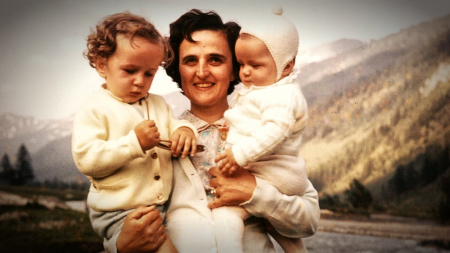
Sacrifices of Faith: The Pro-Life Legacies of St. Gianna and Jessica Hanna
-
How to love God by caring for our bodies
-
Pope Francis calls for negotiations to End Russia-Ukraine War
-
Pope Francis Contemplates Return to U.S. for United Nations Assembly Address
-
Pope Francis Calls on Faithful to Embrace Faith, Hope, and Charity in New Teaching Series

Daily Catholic
- Daily Readings for Sunday, April 28, 2024
- St. Peter Chanel: Saint of the Day for Sunday, April 28, 2024
- Prayer before a Crucifix: Prayer of the Day for Sunday, April 28, 2024
- Daily Readings for Saturday, April 27, 2024
- St. Zita: Saint of the Day for Saturday, April 27, 2024
- Prayer for the Dead # 2: Prayer of the Day for Saturday, April 27, 2024
 Daily Readings for Sunday, April 28, 2024
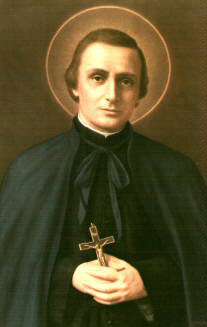 St. Peter Chanel: Saint of the Day for Sunday, April 28, 2024
 Prayer before a Crucifix: Prayer of the Day for Sunday, April 28, 2024


Copyright 2024 Catholic Online. All materials contained on this site, whether written, audible or visual are the exclusive property of Catholic Online and are protected under U.S. and International copyright laws, © Copyright 2024 Catholic Online. Any unauthorized use, without prior written consent of Catholic Online is strictly forbidden and prohibited.
Catholic Online is a Project of Your Catholic Voice Foundation, a Not-for-Profit Corporation. Your Catholic Voice Foundation has been granted a recognition of tax exemption under Section 501(c)(3) of the Internal Revenue Code. Federal Tax Identification Number: 81-0596847. Your gift is tax-deductible as allowed by law.