Because of You, 2.2 Million Students Are Being Formed in the Faith
Because of generous supporters like you, Catholic Online School has already delivered free, faithful Catholic education to over 2.2 million students across 193 countries. In an age of noise and algorithms, you are helping form souls with truth, prayer, Scripture, and Christ.
If everyone who reads this gave just $5 — the cost of a coffee — we could reach even more families and keep this life-changing formation free for all. Be Courageous. Be Catholic. Stand with us today.
DONATE TODAY >Avila
FREE Catholic Classes
(ABULA)
Diocese ; suffragan of Valladolid in Spain. Its episcopal succession dates at least from the fourth century and claims an Apostolic origin. Suppressed in the course of the ninth, it was re-established early in the twelfth, century, after the expulsion of the Moors, and was a suffragan of Mérida until 1120; then of Compostella until 1857. The Catholic population is 189,926. There are 360 priests, 339 parishes, and about 500 churches and chapels. Avila is historically one of the most important cities in the medieval and modern history of Spain. In the fourth century the arch-heretic Priscillian was Bishop of Avila, and in later times many saints had Avila as their home, among them St. Teresa and John of Avila, the "Apostle of Andalusia ". It was once one of the most flourishing cities of Spain, but its population has dwindled to 7,000. Its Moorish castle and ancient eleventh-century cathedral are monumental relics of the past.
Come Grow With Us
Sign up and walk the Catholic journey with millions around the world.
Receive inspiring emails on saints, daily readings, and free faith-building resources—no cost, ever.
This could change the future of Catholic Online.
Watch Now
- 7 Morning Prayers
- Mysteries of the Rosary
- Litany of the Bl. Virgin Mary
- Popular Saints
- Popular Prayers
- Female Saints
- Saint Feast Days by Month
- Stations of the Cross
- St. Francis of Assisi
- St. Michael the Archangel
- The Apostles' Creed
- Unfailing Prayer to St. Anthony
- Pray the Rosary



Copyright 2026 Catholic Online. All materials contained on this site, whether written, audible or visual are the exclusive property of Catholic Online and are protected under U.S. and International copyright laws, © Copyright 2026 Catholic Online. Any unauthorized use, without prior written consent of Catholic Online is strictly forbidden and prohibited.
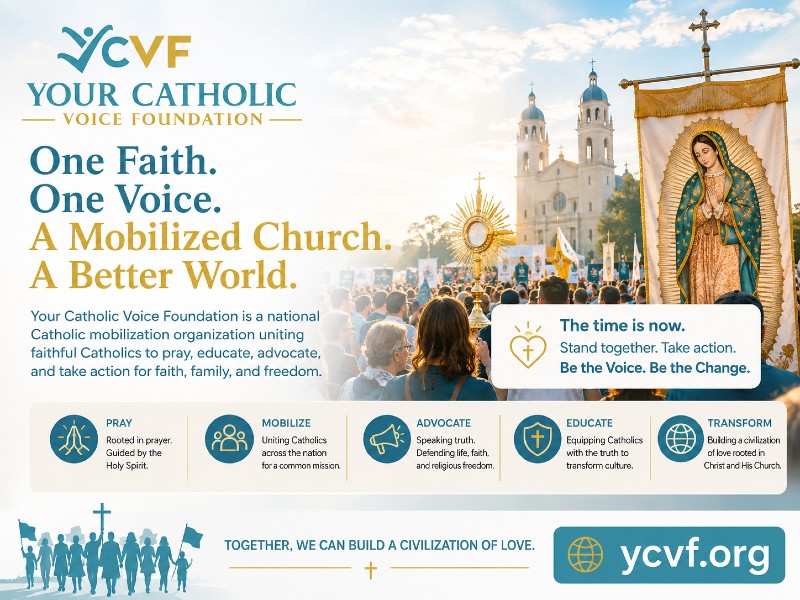
Catholic Online is a Project of Your Catholic Voice Foundation, a Not-for-Profit Corporation. Your Catholic Voice Foundation has been granted a recognition of tax exemption under Section 501(c)(3) of the Internal Revenue Code. Federal Tax Identification Number: 81-0596847. Your gift is tax-deductible as allowed by law.