 Dear readers, Catholic Online was de-platformed by Shopify for our pro-life beliefs. They shut down our Catholic Online, Catholic Online School, Prayer Candles, and Catholic Online Learning Resources essential faith tools serving over 1.4 million students and millions of families worldwide. Our founders, now in their 70's, just gave their entire life savings to protect this mission. But fewer than 2% of readers donate. If everyone gave just $5, the cost of a coffee, we could rebuild stronger and keep Catholic education free for all. Stand with us in faith. Thank you. Help Now >
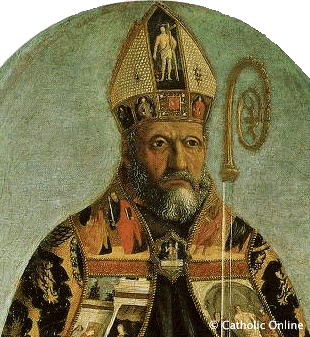
Auxentius of Milan
FREE Catholic Classes
Native of Cappadocia, ordained (343) to the priesthood by Gregory, the intruded Bishop of Alexandria. After the banishment of Dionysius of Milan in 355, Auxentius was made bishop of that see through Arian intrigue, though ignorant of the Latin tongue. Some of the principal Western bishops attempted, but in vain, to bring him to accept the Nicene Creed. He was publicly accused at Milan, in 364, by St. Hilary of Poitiers, and convicted of error in a disputation held in that city by order of the Emperor Valentinian. His submission was only apparent, however, and he remained powerful enough to compel the departure of St. Hilary from Milan. In 359 he forced many bishops of Illyricum to sign the creed of Rimini. Though St. Athanasius procured his condemnation by Pope Damasus at a Roman synod (369), he retained possession of his see until his death in 374, when he was succeeded by St. Ambrose.
Join the Movement
When you sign up below, you don't just join an email list - you're joining an entire movement for Free world class Catholic education.
-

- Easter / Lent
- Ascension Day
- 7 Morning Prayers
- Mysteries of the Rosary
- Litany of the Bl. Virgin Mary
- Popular Saints
- Popular Prayers
- Female Saints
- Saint Feast Days by Month
- Stations of the Cross
- St. Francis of Assisi
- St. Michael the Archangel
- The Apostles' Creed
- Unfailing Prayer to St. Anthony
- Pray the Rosary


Shooting at Annunciation Catholic School in Minneapolis Calls Catholics to Prayer

Making a Difference: Why the silence on abortion?

10 Fascinating Facts About St. Carlo Acutis
Daily Catholic
- Daily Readings for Thursday, August 28, 2025
- St. Augustine of Hippo: Saint of the Day for Thursday, August 28, 2025
- Hymn to Saint Rita of Cascia: Prayer of the Day for Thursday, August 28, 2025
- Daily Readings for Wednesday, August 27, 2025
- St. Monica: Saint of the Day for Wednesday, August 27, 2025
- Prayer for Choosing a State of Life: Prayer of the Day for Wednesday, August 27, 2025
 Daily Readings for Thursday, August 28, 2025
 St. Augustine of Hippo: Saint of the Day for Thursday, August 28, 2025
 Hymn to Saint Rita of Cascia: Prayer of the Day for Thursday, August 28, 2025
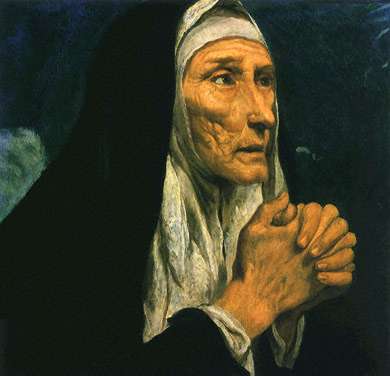 St. Monica: Saint of the Day for Wednesday, August 27, 2025


Copyright 2025 Catholic Online. All materials contained on this site, whether written, audible or visual are the exclusive property of Catholic Online and are protected under U.S. and International copyright laws, © Copyright 2025 Catholic Online. Any unauthorized use, without prior written consent of Catholic Online is strictly forbidden and prohibited.
Catholic Online is a Project of Your Catholic Voice Foundation, a Not-for-Profit Corporation. Your Catholic Voice Foundation has been granted a recognition of tax exemption under Section 501(c)(3) of the Internal Revenue Code. Federal Tax Identification Number: 81-0596847. Your gift is tax-deductible as allowed by law.