We ask you, humbly: don't scroll away.
Hi readers, it seems you use Catholic Online a lot; that's great! It's a little awkward to ask, but we need your help. If you have already donated, we sincerely thank you. We're not salespeople, but we depend on donations averaging $14.76 and fewer than 1% of readers give. If you donate just $5.00, the price of your coffee, Catholic Online School could keep thriving. Thank you.Help Now >
Episcopal Subsidies
FREE Catholic Classes
( Latin subsidia , tribute, pecuniary aid, subvention)
Since the faithful are obliged to contribute to the support of religion, especially in their own diocese, a bishop may ask contributions for diocesan needs from his own subjects, and particularly from the clergy. These offerings as far as possible should be voluntary, rather than taxes or assessments strictly so called. Of the contributions given to bishops, some are ordinary, made annually or at stated times; others are extraordinary, given as special circumstances demand. Under ordinary subsidies are classed the cathedraticum , a fixed sum given annually to the bishop from the income of the churches of the diocese, and which in the United States constitutes the chief revenue of bishops ; census , or pensions, which a bishop may impose at times in accordance with the law ; hospitality or procuration ( procuratio , comestio , circada , albergaria ) extended to the bishop and his assistants canonically visiting the diocese ; contributions ( seminaristicum , alumnaticum ) for the support of diocesan seminaries, or for the education of ecclesiastical students; fees of the chancery office ( jus sigilli: see TAXA INNOCENTIANA). In regard to the maintenance of students for the priesthood, in some dioceses of the United States an annual collection is made of the voluntary offerings of the people; in others an assessment is imposed on each parish. Chancery fees go to meet the expenses of the office; the surplus, if any, is employed in charitable works, and not for the bishop personally. Formerly there too was a share falling to the bishop from legacies, bequests, etc. ( quarta mortuaria , quarta funerum , quarta episcopalis , portio canonica ), and likewise a portion of the tithes ( quarta decimarum , quarta decimatio ), which accrued to the churches of the diocese.

The chief extraordinary tax, which a bishop may levy, is a charitable subsidy ( subsidium caritativum ). This may be asked from all churches and benefices, secular or regular not exempt, and from clerics possessing benefices, but not from lay persons. The following conditions must be observed. There must be a reasonable and evident cause for the subsidy, as, for example, to meet the necessary expenses of the bishop's consecration, his visit ad limina , attendance at a general council, prosecuting the rights of the diocese, or for the general good of the diocese ; this extraordinary tax, however, is permissible only when other means are wanting (S. C. C., 17 Feb., 1663); the exaction, though varying according to the need in question, must be moderate, the amount being determined chiefly by custom ; the advice of the cathedral chapter or the diocesan consultors must be obtained; the poor are not to be taxed. In Italy it is only when taking formal possession of his see that a bishop is free to exact this tribute (Taxa Innocentiana, 8 Oct. 1678); on other occasions the consent of the Holy See is required. Although the subvention is asked in the name of charity, it is binding, and delinquents may be compelled by ecclesiastical punishments to meet this obligation. Such a tax, if imposed for the benefit of the pope, is called Peter's pence. Patriarchs, primates, or metropolitans are not allowed such tribute from the dioceses of their suffragan bishops. Abbots and religious superiors, through privilege or custom, may exact a similar subsidy from their monasteries or communities for the evident good of their orders. The Third Plenary Council of Baltimore (n. 20) declares that a bishop, having consulted his diocesan advisers, must have recourse to Rome, if a new tax is to be imposed for the bishop beyond what is allowed in common law.

We ask you, humbly: don't scroll away.
Hi readers, it seems you use Catholic Online a lot; that's great! It's a little awkward to ask, but we need your help. If you have already donated, we sincerely thank you. We're not salespeople, but we depend on donations averaging $14.76 and fewer than 1% of readers give. If you donate just $5.00, the price of your coffee, Catholic Online School could keep thriving. Thank you.Help Now >
Join the Movement
When you sign up below, you don't just join an email list - you're joining an entire movement for Free world class Catholic education.


-

-
Mysteries of the Rosary
-
St. Faustina Kowalska
-
Litany of the Blessed Virgin Mary
-
Saint of the Day for Wednesday, Oct 4th, 2023
-
Popular Saints
-
St. Francis of Assisi
-
Bible
-
Female / Women Saints
-
7 Morning Prayers you need to get your day started with God
-
Litany of the Blessed Virgin Mary


Sacrifices of Faith: The Pro-Life Legacies of St. Gianna and Jessica Hanna
-
How to love God by caring for our bodies
-
Pope Francis calls for negotiations to End Russia-Ukraine War
-
Pope Francis Contemplates Return to U.S. for United Nations Assembly Address
-
Pope Francis Calls on Faithful to Embrace Faith, Hope, and Charity in New Teaching Series


Daily Catholic
- Daily Readings for Sunday, April 28, 2024
- St. Peter Chanel: Saint of the Day for Sunday, April 28, 2024
- Prayer before a Crucifix: Prayer of the Day for Sunday, April 28, 2024
- Daily Readings for Saturday, April 27, 2024
- St. Zita: Saint of the Day for Saturday, April 27, 2024
- Prayer for the Dead # 2: Prayer of the Day for Saturday, April 27, 2024
 Daily Readings for Sunday, April 28, 2024
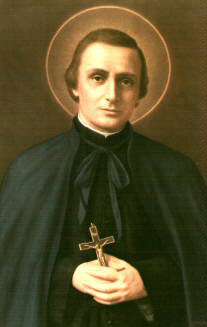 St. Peter Chanel: Saint of the Day for Sunday, April 28, 2024
 Prayer before a Crucifix: Prayer of the Day for Sunday, April 28, 2024
We ask you, humbly: don't scroll away.
Hi readers, it seems you use Catholic Online a lot; that's great! It's a little awkward to ask, but we need your help. If you have already donated, we sincerely thank you. We're not salespeople, but we depend on donations averaging $14.76 and fewer than 1% of readers give. If you donate just $5.00, the price of your coffee, Catholic Online School could keep thriving. Thank you.Help Now >
 Hi readers, it seems you use Catholic Online a lot; that's great! It's a little awkward to ask, but we need your help. If you have already donated, we sincerely thank you. We're not salespeople, but we depend on donations averaging $14.76 and fewer than 1% of readers give. If you donate just $5.00, the price of your coffee, Catholic Online School could keep thriving. Thank you. Help Now >

Copyright 2024 Catholic Online. All materials contained on this site, whether written, audible or visual are the exclusive property of Catholic Online and are protected under U.S. and International copyright laws, © Copyright 2024 Catholic Online. Any unauthorized use, without prior written consent of Catholic Online is strictly forbidden and prohibited.
Catholic Online is a Project of Your Catholic Voice Foundation, a Not-for-Profit Corporation. Your Catholic Voice Foundation has been granted a recognition of tax exemption under Section 501(c)(3) of the Internal Revenue Code. Federal Tax Identification Number: 81-0596847. Your gift is tax-deductible as allowed by law.