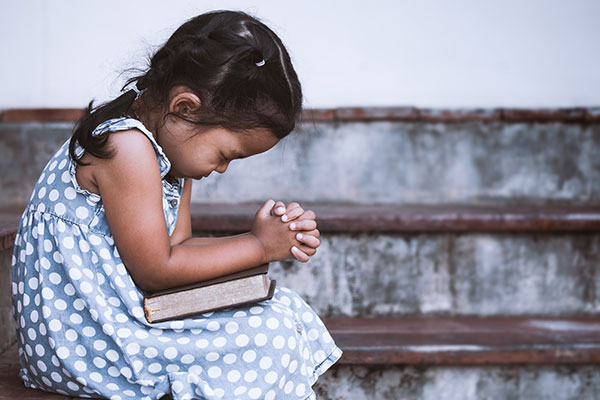
 Dear readers, Catholic Online was de-platformed by Shopify for our pro-life beliefs. They shut down our Catholic Online, Catholic Online School, Prayer Candles, and Catholic Online Learning Resources essential faith tools serving over 2.2 million students and millions of families worldwide. Our founders, now in their 70's, just gave their entire life savings to protect this mission. But fewer than 2% of readers donate. If everyone gave just $5, the cost of a coffee, we could rebuild stronger and keep Catholic education free for all. Stand with us in faith. Thank you. DONATE TODAY >
Pope Benedict - The Service to Communion
FREE Catholic Classes
"Church Is Totally of the Spirit, But It Has a Structure"
VATICAN CITY, APRIL 6, 2006 (Zenit) - Here is a translation of the address Benedict XVI gave Wednesday at the general audience, on the theme "The Service to Communion."
* * *
Dear Brothers and Sisters:
In the new series of catecheses, which we began a few weeks ago, we wish to consider the origins of the Church to understand Jesus' original plan and in this way understand what is essential in the Church, which endures with the passing of time. We also want to understand the reason for our being in the Church and how we must commit ourselves to live it at the beginning of a new Christian millennium.
Reflecting on the early Church, we can discover two aspects: The first aspect is forcefully underlined by St, Irenaeus of Lyon, martyr and great theologian of the end of the second century, the first to leave us, in a certain sense, a systematic theology.
St. Irenaeus writes: "Where the Church is, there also is the Spirit of God; and where the Spirit of God is, there is the Church and all grace, as the Spirit is truth" ("Adversus Haereses," III, 24, 1: PG 7, 966). Therefore, there is a profound relationship between the Holy Spirit and the Church. The Holy Spirit edifies the Church and gives it truth and, as St. Paul says, infuses love in the hearts of believers (cf. Romans 5:5).
But, in addition, there is a second aspect. This profound relationship with the Spirit does not eliminate our humanity, with all its weakness and, in this way, the community of disciples experienced from the beginning not only the joy of the Holy Spirit, the grace of truth and love, but also trial, made up above all by the contrast between the truths of faith and the resulting lacerations of communion.
Just as a communion of love has existed from the beginning and will exist until the end (cf. 1 John 1:1ff), so, sadly, from the beginning division has also erupted. We must not be surprised by the fact that it exists also today: "They went out from us," says the First Letter of John, "but they were not of us; for if they had been of us, they would have continued with us; but they went out, that it might be plain that they all are not of us" (2:19).
Therefore, the danger always exists, in the vicissitudes of the world and also in the weaknesses of the Church, of losing the faith and thus, of also losing love and fraternity. Therefore, it is a specific duty of those who believe in the Church of love and want to live in her, to recognize this danger also and to accept that communion is not possible with those who do not abide in the doctrine of salvation (cf. 2 John 9-11).
That the early Church was clearly aware of these possible tensions in the living of communion is shown very well in the First Letter of John. There is no other voice in the New Testament that is raised so forcefully to underline the reality of the duty of fraternal love among Christians, but that same voice addresses with drastic severity adversaries, who have been members of the community but no longer are.
The Church of love is also the Church of truth, understood above all as fidelity to the Gospel entrusted by the Lord Jesus to his own. Christian fraternity is born from the fact of being children of the same Father by the Spirit of truth: "For all who are led by the Spirit of God are sons of God" (Romans 8:14). But, to live in unity and peace, the family of the children of God needs someone who will keep them in the truth and guide them with wise and authoritative discernment: This is what the ministry of the apostles is called to do.
And here we come to an important point. The Church is totally of the Spirit, but it has a structure, the apostolic succession, which has the responsibility to guarantee the Church's permanence in the truth given by Christ, from which the capacity to love also proceeds. The first summary of the Acts of the Apostles expresses with great effectiveness the convergence of these values in the life of the early Church: "They devoted themselves to the Apostles' teaching and fellowship ('koinonia'), to the breaking of bread and the prayers" (Acts 2:42).
Communion is born from faith aroused by the apostolic preaching, it is nourished from the breaking of bread and prayer, and is expressed in fraternal charity and service. We are before the description of the communion of the early Church in the richness of her internal dynamisms and her visible expressions: The gift of communion is kept and promoted in particular by the apostolic ministry, which in turn is a gift for the whole community.
The apostles and their successors therefore are custodians and authoritative witnesses of the deposit of faith given to the Church, and they are also the ministers of charity: two aspects that go together. They must always think of the inseparable character of this double service, which in fact is the same: truth and charity, revealed and given by the Lord Jesus. In this connection, they carry out above all a service of love: the charity they must live and promote cannot be separated from the truth they keep and transmit.
Truth and love are two sides of the same gift, which proceeds from God and which, thanks to the apostolic ministry, is kept in the Church and comes to us in our present [time]! Through the service of the apostles and their successors we also receive the love of the Triune God to communicate the truth that makes us free (cf. John 8, 32)! All this which we see in the early Church leads us to pray for the successors of the apostles, for all bishops, and for the Successors of Peter so that they will really be custodians of truth and at the same time of charity, so that they will really be apostles of Christ, so that their light, the light of truth and charity will never be extinguished in the Church and the world.
[At the end of the Audience, the Pope read the following summary in English:]
Dear Brothers and Sisters,
The Holy Spirit is the source of the communion, uniting Christ's disciples among themselves and with God. In the fine phrases of St. Irenaeus: "Where the Church is, there is the Spirit of God, and where the Spirit is, there is the Church and all grace" ("AH," III, 24:1).
The presence of the Spirit, however, does not eliminate human weakness, and thus, from the beginning, the Church's communion in love has coexisted with human division and disunity. The ministry of the apostles, by maintaining the Church in God's saving truth and leading her with authority, is ultimately a service of communion in love.
As we see in the Book of Acts, truth and love converged in the life of the early Church: The first Christians "devoted themselves to the apostles' teaching and fellowship, to the breaking of the bread and the prayers" (Acts 2:42). Thanks to the apostolic ministry, this communion in truth and love is constantly preserved in the Church. Through the apostles and their successors, we encounter the love of the Triune God and the truth that makes us free (cf. John 8:32)!
[Benedict XVI then greeted pilgrims in several languages. In English, he said:]
I am happy to offer a warm welcome to all the English-speaking visitors and pilgrims present at today's audience, including the class from the NATO Defense College, and the groups from England, Denmark, the Faeroe Islands and the United States of America. May your time in Rome strengthen your faith and renew your love for the Lord and his Church. May God bless you all!
© Copyright 2006 -- Libreria Editrice Vaticana
Contact
The Vatican
https://www.catholic.org
, VA
Pope Benedict XVI - Bishop of Rome, 661 869-1000
info@yourcatholicvoice.org
Keywords
Pope, Benedict, Communion, Church, Vatican
More Catholic PRWire
Showing 1 - 50 of 4,716
A Recession Antidote
Randy Hain
Monaco & The Vatican: Monaco's Grace Kelly Exhibit to Rome--A Review of Monegasque-Holy See Diplomatic History
Dna. Maria St. Catherine Sharpe, t.o.s.m., T.O.SS.T.
The Why of Jesus' Death: A Pauline Perspective
Jerom Paul
A Royal Betrayal: Catholic Monaco Liberalizes Abortion
Dna. Maria St.Catherine De Grace Sharpe, t.o.s.m., T.O.SS.T.
Embrace every moment as sacred time
Mary Regina Morrell
My Dad
JoMarie Grinkiewicz
Letting go is simple wisdom with divine potential
Mary Regina Morrell
Father Lombardi's Address on Catholic Media
Catholic Online
Pope's Words to Pontifical Latin American College
Catholic Online
Prelate: Genetics Needs a Conscience
Catholic Online
State Aid for Catholic Schools: Help or Hindrance?
Catholic Online
Scorsese Planning Movie on Japanese Martyrs
Catholic Online
2 Nuns Kidnapped in Kenya Set Free
Catholic Online
Holy See-Israel Negotiation Moves Forward
Catholic Online
Franchising to Evangelize
Catholic Online
Catholics Decry Anti-Christianity in Israel
Catholic Online
Pope and Gordon Brown Meet About Development Aid
Catholic Online
Pontiff Backs Latin America's Continental Mission
Catholic Online
Cardinal Warns Against Anti-Catholic Education
Catholic Online
Full Circle
Robert Gieb
Three words to a deeper faith
Paul Sposite
Relections for Lent 2009
chris anthony
Wisdom lies beyond the surface of life
Mary Regina Morrell
World Food Program Director on Lent
Catholic Online
Moral Clarity
DAN SHEA
Pope's Lenten Message for 2009
Catholic Online
A Prayer for Monaco: Remembering the Faith Legacy of Prince Rainier III & Princess Grace and Contemplating the Moral Challenges of Prince Albert II
Dna. Maria St. Catherine Sharpe
Keeping a Lid on Permissiveness
Sally Connolly
Glimpse of Me
Sarah Reinhard
The 3 stages of life
Michele Szekely
Sex and the Married Woman
Cheryl Dickow
A Catholic Woman Returns to the Church
Cheryl Dickow
Modernity & Morality
Dan Shea
Just a Minute
Sarah Reinhard
Catholic identity ... triumphant reemergence!
Hugh McNichol
Edging God Out
Paul Sposite
Burying a St. Joseph Statue
Cheryl Dickow
George Bush Speaks on Papal Visit
Catholic Online
Sometimes moving forward means moving the canoe
Mary Regina Morrell
Action Changes Things: Teaching our Kids about Community Service
Lisa Hendey

Easter... A Way of Life
Paul Spoisite
Papal initiative...peace and harmony!
Hugh McNichol
Proclaim the mysteries of the Resurrection!
Hugh McNichol
Jerusalem Patriarch's Easter Message
Catholic Online
Good Friday Sermon of Father Cantalamessa
Catholic Online
Papal Address at the End of the Way of the Cross
Catholic Online
Cardinal Zen's Meditations for Via Crucis
Catholic Online
Interview With Vatican Aide on Jewish-Catholic Relations
Catholic Online
Pope Benedict XVI On the Easter Triduum
Catholic Online
Holy Saturday...anticipation!
Hugh McNichol

Come Grow With Us
Sign up and walk the Catholic journey with millions around the world.
Receive inspiring emails on saints, daily readings, and free faith-building resources—no cost, ever.
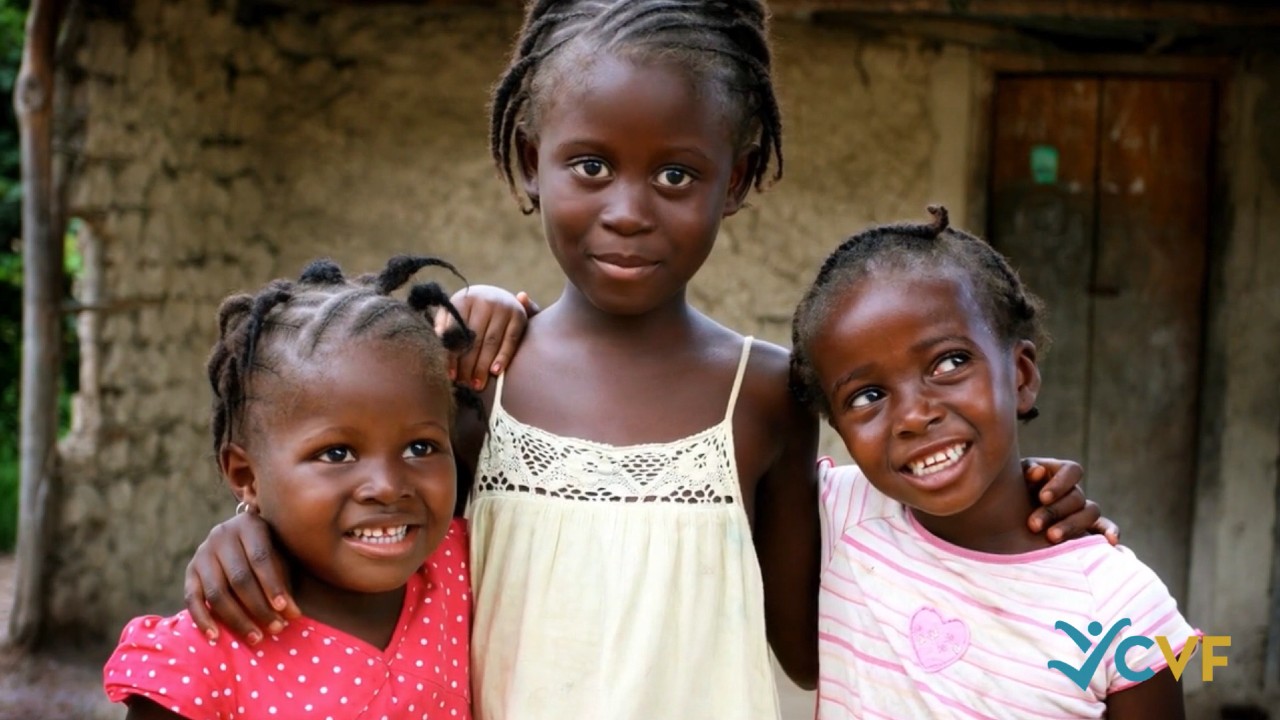
You could be the answer to a child’s prayer.
Please Watch
- 7 Morning Prayers
- Mysteries of the Rosary
- Litany of the Bl. Virgin Mary
- Popular Saints
- Popular Prayers
- Female Saints
- Saint Feast Days by Month
- Stations of the Cross
- St. Francis of Assisi
- St. Michael the Archangel
- The Apostles' Creed
- Unfailing Prayer to St. Anthony
- Pray the Rosary







Copyright 2026 Catholic Online. All materials contained on this site, whether written, audible or visual are the exclusive property of Catholic Online and are protected under U.S. and International copyright laws, © Copyright 2026 Catholic Online. Any unauthorized use, without prior written consent of Catholic Online is strictly forbidden and prohibited.
Catholic Online is a Project of Your Catholic Voice Foundation, a Not-for-Profit Corporation. Your Catholic Voice Foundation has been granted a recognition of tax exemption under Section 501(c)(3) of the Internal Revenue Code. Federal Tax Identification Number: 81-0596847. Your gift is tax-deductible as allowed by law.