Diocese of Ugento
FREE Catholic Classes
(UXENTIN)
The city of Ugento, with its small harbour, is situated in the Province of Leece, in Apulia, on the Gulf of Tarentum. It is the ancient Uxentum , and claims to have been founded by Uxens, who is mentioned in the Eighth Book of the Æneid. In ancient times it was an important city. In 1537 it was destroyed by the Turks. Under the Byzantine domination it had Greek bishops. Of the Latin bishops the first known was the Benedictine Simeon, of unknown date.
Others worthy of mention are: St. Charles Borromeo (1530-37); Antonio Sebastiano Minturno, poet (1559); the Carmelite Desiderio Mazzapica (1566), who was distinguished at the Council of Trent ; and the great canonist Agostino Barbosa (1649). In 1818 the diocese of Alessano (the ancient Leuca) was united to that of Ugento. The Greek rite flourished in many places in this diocese until 1591, when it was abolished by Bishop Ercole lancia. The diocese is suffragan of Otranto, and contains 30 parishes, 60,000 souls, 129 priests, secular and regular, 1 house of male religious, 4 houses of female religious, and 3 schools for girls.
We ask you, humbly: don't scroll away.
Hi readers, it seems you use Catholic Online a lot; that's great! It's a little awkward to ask, but we need your help. If you have already donated, we sincerely thank you. We're not salespeople, but we depend on donations averaging $14.76 and fewer than 1% of readers give. If you donate just $5.00, the price of your coffee, Catholic Online School could keep thriving. Thank you.Help Now >
 Hi readers, it seems you use Catholic Online a lot; that's great! It's a little awkward to ask, but we need your help. If you have already donated, we sincerely thank you. We're not salespeople, but we depend on donations averaging $14.76 and fewer than 1% of readers give. If you donate just $5.00, the price of your coffee, Catholic Online School could keep thriving. Thank you. Help Now >
Join the Movement
When you sign up below, you don't just join an email list - you're joining an entire movement for Free world class Catholic education.





 Daily Readings for Friday, April 26, 2024
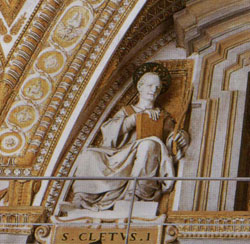 St. Cletus: Saint of the Day for Friday, April 26, 2024
 Prayer before the Closing of the Day: Prayer of the Day for Friday, April 26, 2024